Le Studio: un retour au devant de la scène

par Manon Patouillet
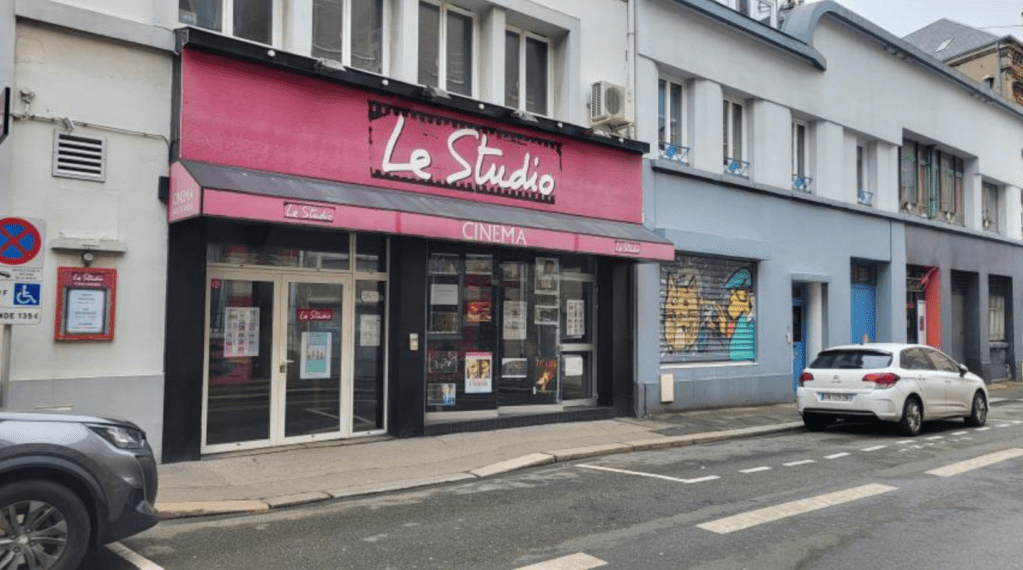
Source : Paris Normandie

Nombreux, sans doute sont les étudiants du campus du Havre de Sciences Po, qui, au détour d’un scroll sur Instagram un soir de printemps 2024, sont tombés sur une pétition intitulée“Sauvegardons le Studio que nous aimons !”. Destinée à la sauvegarde du cinéma Le Studio au Havre, celle-ci a été initiée par un alumnus du campus, Elias Cantone.1 Partagée par la suite, par quelques-uns de nos camarades, la monosalle, qui traversait une période de crise à ce moment-là, était grandement soutenue par les « Mushus ». Alors que des rumeurs de tensions au sein de la gouvernance, menant à une possible fermeture du cinéma se propagent, l’été arrive et les « sciencespistes » fuient Le Havre pendant plusieurs mois. Au retour des vacances, la résolution quant à l’affaire concernant le Studio reste tout aussi floue. 

La monosalle, située au 3 rue du Général Sarrail, a vu le jour en 1999 sous l’impulsion du réalisateur Christian Zarifian. Composée d’une salle de 84 places, sa petite taille n’a pas empêché le créateur du Studio d’afficher de grandes ambitions. Zarifian souhaite que la monosalle devienne un “lieu de mémoire”2, au Havre, alliant classiques et films moins connus. Vingt cinq ans plus tard, l’objectif reste le même selon le programmateur David Lheureux, qui continue à “présenter le cinéma dans toute sa diversité”. Au fil des années, le Studio entretient également de nombreux partenariats avec d’autres organisations havraises, tels que les Ancres noires, ou Du grain à démoudre, et organise des événements pour enfants.3 

Cependant, selon les reportages de Paris Normandie, début 2023, une querelle éclate au sein de la direction du cinéma. Deux camps s’opposent, se revendiquant chacun comme le bureau légitime : d’un côté, les « anciens », composé de Patrick Gravé, président du Studio depuis 20 ans, André Fouché, le trésorier, ainsi que David Lheureux présenté précédemment ; de l’autre, la veuve et la fille du défunt créateur du Studio. Alors que la famille Zarifian organise une assemblée générale pour élire un nouveau bureau, le groupe présidé par Pierre Gravé porte plainte contre celle-ci. Cette plainte sera alors le début d’une longue bataille judiciaire, aboutissant aujourd’hui à la nomination d’une mandataire provisoire.4 

Ce conflit a semé le trouble au sein de l’équipe, déchirée par des perceptions et des ambitions différentes pour le cinéma. Pour David Lheureux, cet épisode a été rude, frustré que son travail qu’il exerce depuis 22 ans, soit remis en questions par des membres inactifs jusqu’alors.5 La situation a même mené jusqu’à mettre en péril certains partenariats précieux que le cinéma entretenait depuis longtemps. Alors que la banque bloque certains comptes, plusieurs salariés envisagent même de remettre leur démission.6 

Bien que le calme semble être revenu au 3 rue Général Sérail, la situation demeure incertaine. L’affaire est-elle complètement résolue ? Quelles sont les répercussions du conflit aujourd’hui ? Une série de questions nous viennent à l’esprit. Pourtant, interrogés sur ce sujet, David Lheureux et l’administratrice provisoire Cécile Dur ne souhaitent pas en parler. Il ne fait aucun doute que cette affaire marque une période difficile pour le cinéma, même s’il est encore trop tôt pour en tirer des conclusions. Ce havre de partage et de rencontre autour des films était devenu un terrain de querelles. Peut-être que des contraintes légales les empêchent d’aborder le sujet, ou bien cherchent-ils simplement à éviter que ce conflit, aux issues encore incertaines, ne vienne perturber la rentrée tant attendue du cinéma. 

En effet, David Lheureux ne cache pas son désir d’aller de l’avant, et se concentrer sur la réouverture et les projets à venir. Le Studio reprend une activité inchangée, avec son incontournable programmation mensuelle. En septembre, la monosalle a proposé une sélection de films variée à ses adhérents, que ce soit le classique du cinéma argentin Que la bête meure de Roman Vinoly Barretto, ou la Nouvelle Vague avec Les deux anglaises et le continent de François Truffaut. 

En parallèle, tout au long de l’année, le fil conducteur du Studio sera le cinéma asiatique contemporain. Comme tous les ans, le cinéma choisit un « cycle » de septembre à juin sur un thème défini, présenté depuis 2002 par Youri Deschamps, rédacteur en chef de la revue « Eclipses ». Au programme, des films tels que Tel père tel fils du réalisateur japonais Hirokazu Kore-eda, mais encore A touch of sin de Jia Zhang-ke, pourront ravir les spectateurs. 

L’objectif encore une fois est de faire découvrir au public havrais des cinéastes peu vus en France. Interrogé sur les raisons pour lesquelles il avait choisi ce thème, David Lheureux répond : « Je m’étais fait la réflexion (…) que dans le cinéma français actuel on est beaucoup dans le verbe, on est beaucoup dans la parole mais pas beaucoup dans l’image ». Au contraire, le cinéma asiatique contemporain est certes peu bavard, mais fort au visionnage. « Le but de ce cycle là est aussi de remettre en l’honneur le cinéma comme un art visuel ». Pour David Lheureux, ceci est « l’essence » même du cinéma. 

Ainsi, gâtés  par une programmation de telle qualité, les Havrais n’auront d’autres choix que de se rendre au Studio pour savourer ses films. Or, le cinéma d’art et d’essai a besoin de la fidélité de son public, qui doit privilégier l’expérience immersive en salle plutôt que le confort d’un film Netflix à domicile. Car une fois disparus, ces lieux de culture ne renaissent jamais. 
Discover Le Havre’s nightlife: The St. Michel Fair is Here!

Claude Leroy-Pinto

All images credited to the author unless otherwise stated.

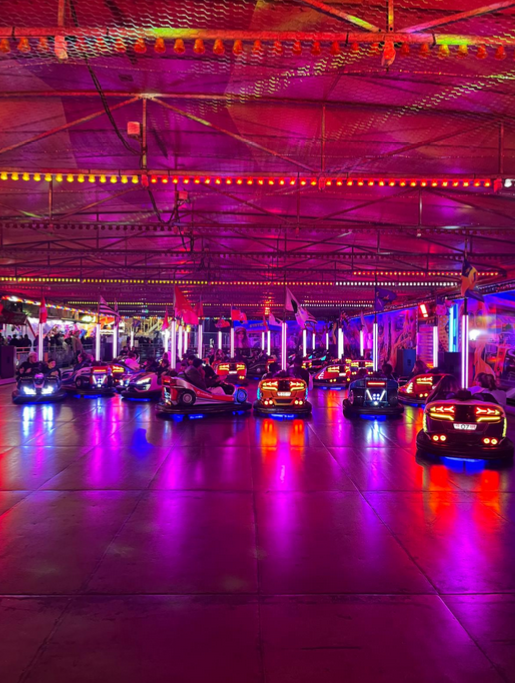
It has been almost a month since the school year began, and by now, you have likely gotten past your first impressions of Le Havre and uncovered some of its hidden charm. You’ve probably already hit the tourist hotspots: the MuMa, the Église Saint-Joseph, Perret’s Show Apartment, the famous “Volcano” (spoiler alert: no lava), and who knows, maybe you found some fun nightclubs and bars. If not, if you think that finding exciting nightlife in Le Havre happens when pigs fly, just when you thought you had seen it all, here is a little surprise: the St. Michel Festival Fair is in full swing starting September 21!

Since last Saturday, the area behind the University, near Le Havre station, has been buzzing with life. Rides are spinning, music is playing, and the traditional “fête foraine” (funfair) is open daily until October 13, from 2 PM to 11 PM, with extended hours on Fridays and Saturdays.

Now a quick dive into the festival’s history. This funfair actually aligns with Le Havre’s Heritage Weekend—what better time to learn about the city’s rich past? The origins of this event can be traced back to a charter from King François I in 1535, which established two free trade fairs in Le Havre. Although these early fairs were more like bustling outdoor markets, they laid the groundwork for the exciting festival we know today.

In 1792, plans for a proper Saint-Michel fairground were developed in Ingouville, near Le Havre. By the following year, the fair was set up in the courtyard of the former Penitents’ convent. Throughout the 19th century, improvements in transportation brought visitors from all over Normandy to this annual event, featuring stalls selling everything from jewelry to toys. Alongside the merchants, entertainers such as acrobats, circus performers, and theater troupes dazzled the crowds. 

If some of you don’t have a similar carnival tradition in your home country, you need to know that it is a very special world. It is a very closed circle and traditionally a know-how that has been passed down from generation to generation. The fairground profession is particularly difficult, as they are highly dependent on tourism and weather conditions and don’t work on a  regular schedule. The fairground workers I spoke to talked about the financial difficulties they were facing. Indeed, they have to take on accountants without whom they cannot manage, as well as looking after their own attractions.

At the fair, you will find a bit of everything, from cotton candy vendors to haunted houses (make sure to have some brave friends to lead the way!) and even rides that launch you 70 meters into the air, spinning your head in all directions (be careful, we have seen shoes flying). But don’t worry, even if all this sounds really frightening, nothing here comes close to Stephen King’s Joyland.

With midterms approaching, you are likely swamped with studying, but don’t forget to unwind! What better way to take a break than a visit to the fair, hopping on some thrilling rides, and taking your mind off exams?

Pro tip: apparently you can benefit from some reduced prices on rides and attractions on October 2 and 12. Don’t miss out!

Le Studio: Onwards and Upwards

An interview with David Lheureux

By Rita Zeefal

All photos credited to the author.

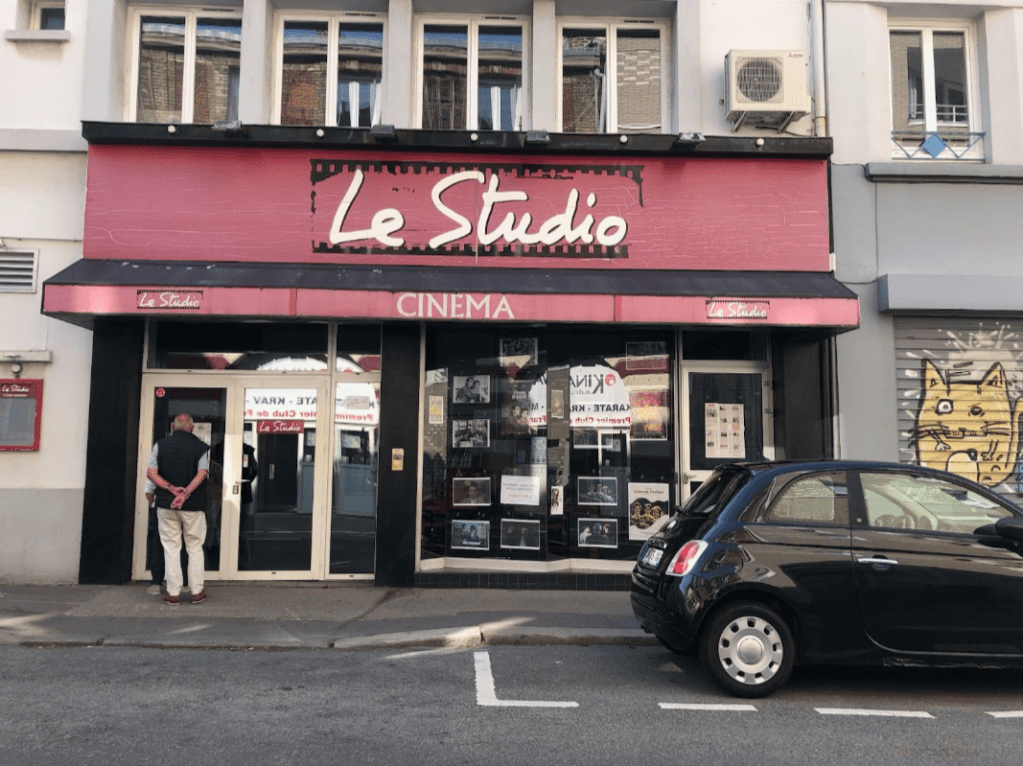
Above: a street view of Le Studio

While the beloved cinema d’art et d’essai’s future seemed precarious at the beginning of this year, it has managed an impressive rebound.

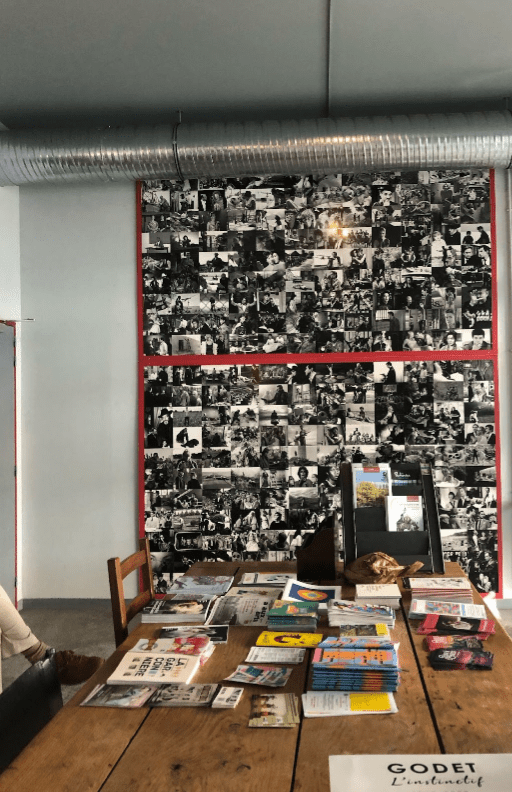
“Could you wait ten minutes until the screening is over?” says David Lheureux as we enter the foyer of Le Studio, Le Havre’s best and most beloved cinema d’art et d’essai. We sit down as David prepares to usher in an elderly couple to see Alfred Hitchcock’s The Lady Vanishes (1938). The foyer at Le Studio is immediately beguiling for an institution of its kind: the walls are papered with the printed cards that the enterprise gives to anyone who comes to a screening – with a still from the showcased film on one side and a description and history of the film on the other. One corner boasts a repository of such cards from screenings long past – which anyone can take free of charge. A large table occupies the centre of the room, on which are strewn pamphlets, brochures, and booklets on all things art and cinema at Le Studio and in the city of Le Havre. 

Above: a view of the interior of Le Studio’s lobby.

Fellow Le Dragon Déchaîné reporter Manon Patouillet and I begin our interview with David. His sharp, quizzical expression and steady blue eyes remain fixed on us. 

RZ: Could you tell us a bit about the establishment of Le Studio? Who initiated the project and what was its initial objective?

DL: Well, Le Studio was established in 1999 by Christian Zarifian, a filmmaker, who wanted to establish cinema heritage – the aim was to be able to showcase cinema – the grandes classiques and the history of cinema, but also world cinema and what was not shown on television.

MP: And what is your role at the cinema? How many people work here?

DL: There are about six people who work here – for my part, I play a role in the curation of films, and I oversee the screenings, making sure that we have the rights to show certain films…

RZ: And for how long have you worked here?

DL: I’ve worked here since 2002.

RZ: Wow, so it’s been quite a while [all laugh].

MP: Could you tell us a bit about the legal issues Le Studio was facing earlier this year? We know that a petition was started by an old Sciences Po student from our campus to mobilise support for the cinema.

DL: Indeed, erm, a petition was started by a student from your campus, however we were still able to operate during that time.

RZ: But what was the trouble exactly? 

At this point David’s answers become vague, and he shifts the focus to the role that a Sciences Po student, Elias Cantone, played in bringing attention to the conflict and mobilising local support for the institution to remain open.

From our point of view, the story is this: on the 6th of April, a petition created to ‘save’ Le Studio was shared with the students of Sciences Po’s Le Havre campus. “Sauvegarder Le Studio que nous aimons!” was its cry. The institution’s future looked precarious as two administrative factions fought over control of the cinema monosalle. A resolution of the conflict seemed elusive and the cinema appeared to be at risk of closing for good.

According to reporting done by Paris Normandie on the matter, two parties were at loggerheads over the question of control of Le Studio. One was led by the widow and daughter of the institution’s founder Christian Zarifian, and another led by individuals who have been administering the cinema since its conception, including president Patrick Gravé and treasurer André Fouché. By the time the story was reported on, the conflict had been raging for well over a year. By April 2024, a judicial tribunal was in the process of naming a provisory administrator while the two conflicting parties worked on finding a resolution internally. Once  Le Studio reopened its doors on the 28th of August, Cécile Dür, an administrative official of the Association Les Films Seine Océan, had been named the provisory overseer of its affairs. The cinema reopened its doors to the public after a summer sabbatical on the 28th of August with a screening of Kozaburo Yoshimua’s Night River (1956). 

For now all seems to be well. The optimism expressed by David for the cinema’s coming year is palpable. David proceeds to tell us of the curation of films at Le Studio, its choice to show what is dubbed ‘world cinema’. He casually includes  his matured reflections on the value of such cinema in an artistic sense.

DL: We run a programme that we curate based on a theme, and our programmes run for the entire year, that is to say, from September to June. As you can see we are showcasing a lot of  contemporary Asian cinema. We have Youri Deschamps who comes to present a film every month. We curate a programme for each month of the year. We try to show films by directors with a rather strong sense of aestheticism. Directors that are less known. Youri Deschamps has been doing presentations since 2002, so that’s 22 years. People come here to make discoveries, to see things that they aren’t able to see elsewhere.

MP: And why have you chosen to showcase Asian cinema in particular?

DL: Contemporary Asian cinema? Well… because of the amount of reflection that French films tend to have, we are really caught up with the spoken word, with language… I personally find that it’s sometimes a bit too literary, whereas with Asian cinema there is a sense of the aesthetic that doesn’t come second. It makes for a cinema that is –  bolder,  and harkens back to the true sense of cinema.

To many of us who are regulars at Le Studio, the cinema is more than just a patrimoine institution. The cinema is a portal to worlds far removed by space and time from anything many of us will ever get to know in our lifetimes. And for this fact alone, if not for any other, when we walk out of the inky black darkness of the screening room, we emerge as different people. The cinema is just as much a part of our education in this city as are our weekly seminars and 3-hour lectures. Our only hope is that this experience will be shared by many future generations of students in the city of Le Havre.

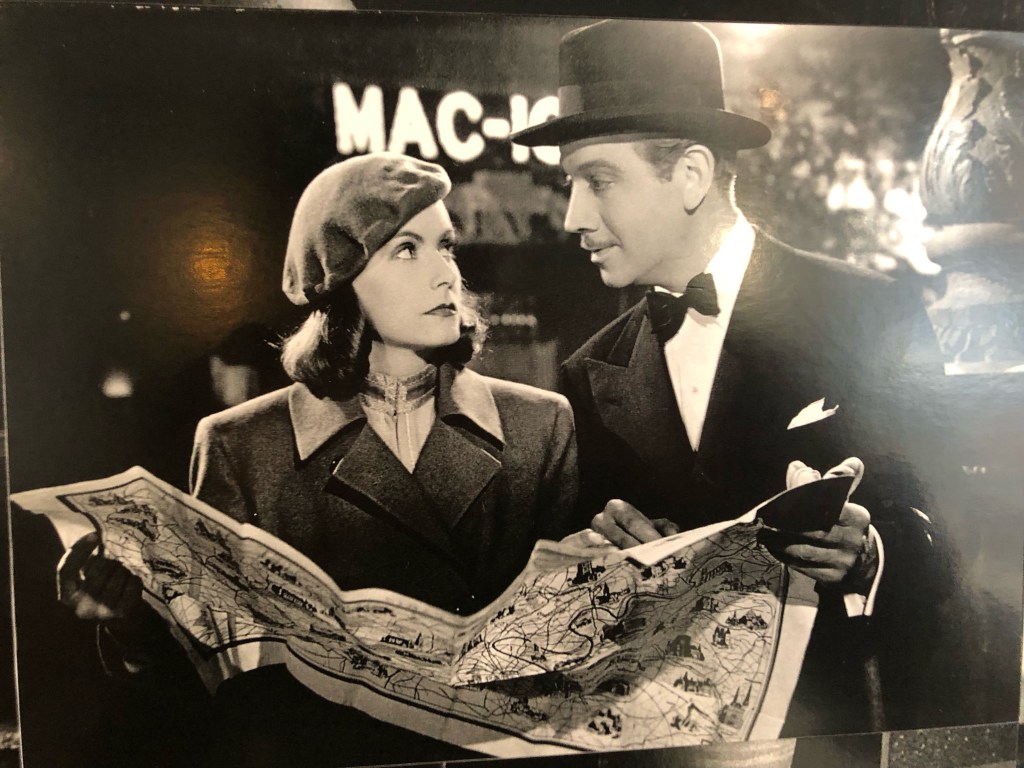
Above: an example of the printouts that are handed to every individual who pays to see a film at Le Studio. This film still shows Greta Garbo with John Gilbert.

80 Years On: Reflections on the Liberation of Le Havre

by Fyodor Dmitrenko

All photos credited to the author.

On the 12th of September, I attended a ceremony at the Place du Monument aux Morts, the largest of a series of celebrations, film screenings and exhibitions hosted by the local administration over the course of the previous weeks to commemorate the 80-year anniversary of Le Havre’s liberation from the Nazi occupation. It was not really what I expected. Certainly there was the usual fanfare with marching bands on rue de Paris, speeches by Le Havre’s mayor Edouard Philippe and President Macron, and little French flags waving in the wind – however the usual jubilations felt strangely subdued. 

But this is not surprising upon consideration of the city’s history . 

The city of Le Havre did not fare well at all in WWII. After France’s shameful surrender in May 1940, the city was forced under the Nazi jackboot and turned into a festung – a fortress city  – due to its strategic importance as the largest port on the Channel coast. 

This led to the construction of numerous blockhouses, casemates, and other fortifications to combat potential allied landings including the Dollemard battery at Sainte-Adresse, and the incorporation of a German garrison that at its greatest extent reached 21,000 soldiers. 

Life for civilians under the occupation was also transformed drastically with the introduction of rationing and virulently antisemitic policies. This transformation began with the removal of Jews from public office, including the town’s then mayor Léon Meyer, and culminated in the arrests of an estimated 900 Jews and deportation of 740 to their deaths. The Nazis also perpetrated violent reprisals against Le Havre’s civilian population in reaction to resistance activities. For example, after the assassination of 2 German sailors on Place d’Arsenal, 1 100 PCF (Parti Communiste Français) and CGT (Confédération Générale du Travail) members were rounded up and deported. 

Nor did the arrival of the Allies in June 1944 bring respite. The importance of the port made seizing it a top priority for allied commanders in order to supply the allied armies driving to Paris and beyond. 

According to historians Corinne Bouillot and John Barzman, while an attempt was made to compel the German garrison to surrender peacefully after the D-Day landings, garrison commander Hermann Eberhard Wildermuth rejected the offer citing the order given to him by Adolf Hitler to fight to the last man. As an alternative resolution, Wildermuth reportedly countered the Allies with an offer to evacuate the remaining civilians. The offer was not taken up, with Lieutenant-General John Crocker who led the assault arguing that it would take too long, thereby allowing the Germans time to prepare and execute a counterattack which would halt the allied offensive in its tracks. 

Under the purview of ‘Operation Astonia’ the city and its defences were bombarded from the sea by battleships HMS Erebus and HMS Warspite with more than 4,100 t of shells over the course of several days starting on September 5th to 12th with a further 10,000 tons of bombs being dropped on the city by the RAF. 

The bombardment was considered a success as it silenced German batteries and allowed the Allies to advance into the city relatively unimpeded due to the German garrison being too shell-shocked to fight back, however its gains came at a horrible cost. 

Of the city’s 41,000 buildings, 13,500 were completely destroyed, including key buildings like the Hotel de Ville and the Natural History Museum. Only charred, smoking husks remained. Around half of Le Havre’s population (approximately 80,000 people) was left homeless. Nor was the destruction limited to the residential quarters, with bombings targeting the submarine and torpedo boat pens in the port which gave Le Havre its name, destroying about 85% of its 1939 facilities. 

80 years on, the memories of victory are still tainted for many of the citizens of Le Havre. Many are able to celebrate the city’s momentous regaining of its freedom, however some will always wonder whether the price it had to pay was too high. 

Yu Xuan and Syontoni Go To La Fête de la Mer!

Last weekend, we stumbled upon Le Havre’s annual maritime festival!

All photos by Yu Xuan Neo and Syontoni Hattori-Chatterjee.

9 September 2024

After our brunch at Brunch & Bowl, we were drawn towards the bustling street lined with dozens of booths. It was the annual La Fête de la Mer organized every first weekend of September in Le Havre! 

So what is this exactly?

According to Bee Le Havre, it is meant to “celebrate the sea through multiple animations.” Seafarers, merchants, port workers — basically anyone in the maritime world comes together to celebrate the festival. This is a key event in Le Havre (a port city, as we all know):  the sea is its lifeblood. 

Entry 1: Yu Xuan – The Forbidden Babymobiles 

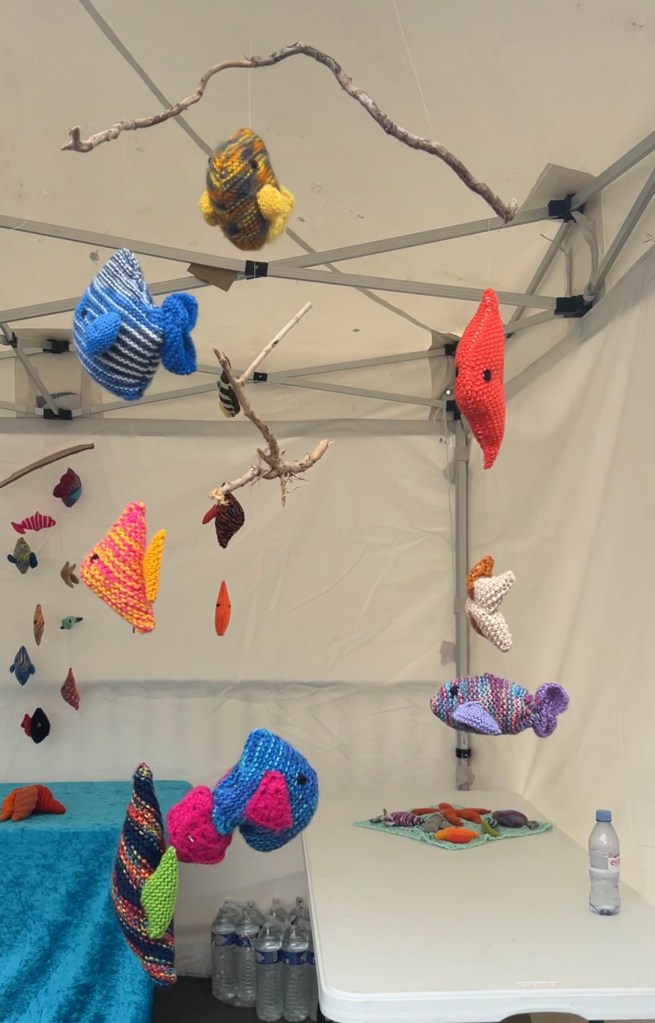
The first thing that caught my eye were the adorable sea-themed babymobiles that were hand-made and crocheted.

P.S. I wanted to buy one really badly, but they said it was only meant for decoration purposes for their workshop 😦

The fête sold absolutely everything you can think of, ranging from crystals, pastries to even spices: we paused at every booth to admire their products. I couldn’t help but appreciate how the constant flow of people and the happy chatter around us injected so much life into our little city!

Entry 2: Sy – Spicy Pirates 

Speaking of spices, shout out to the nice man at the spice booth who saw our wandering eyes and let us try some fun ones for free. Sesame seeds flavored with prune umeboshi made me think of my aunt’s house and sesame flavored with kimchi reminded me to make a quick trip to Hoa Soung (RIP but not RIP if you’ve been keeping up with LDD’s other articles). 

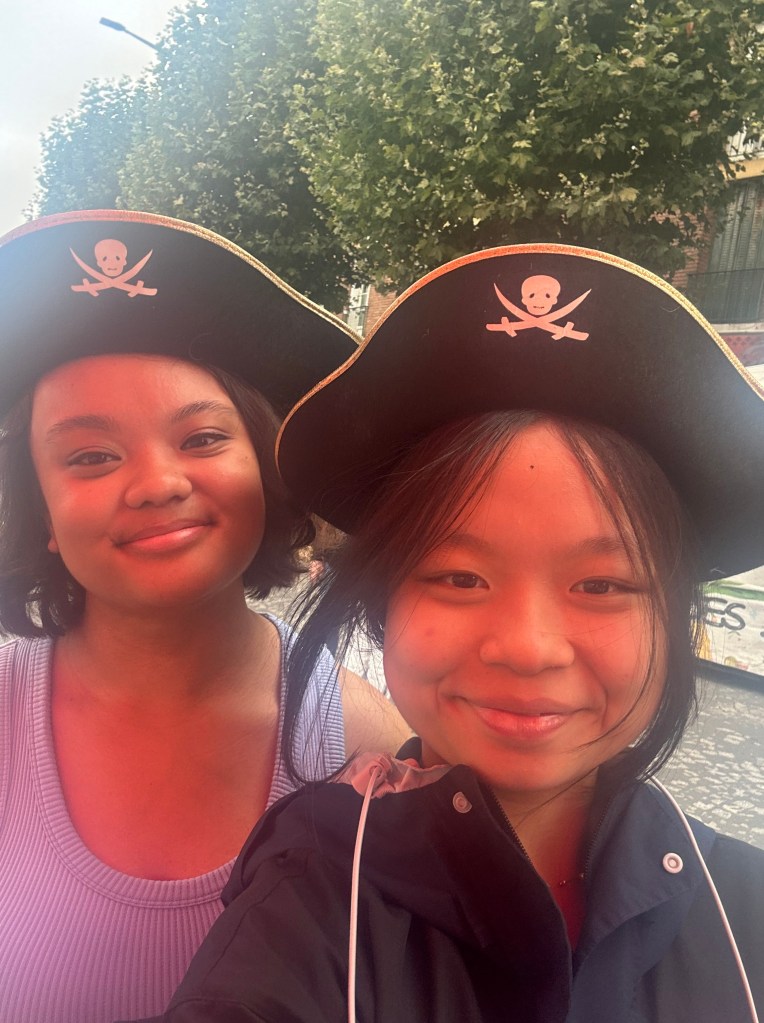
Yu Xuan and I also tried on some pirate hats but decided to go as something a bit less on the nose for Halloween in Le Havre

Entry 3: SyVintage Postcard Tea 

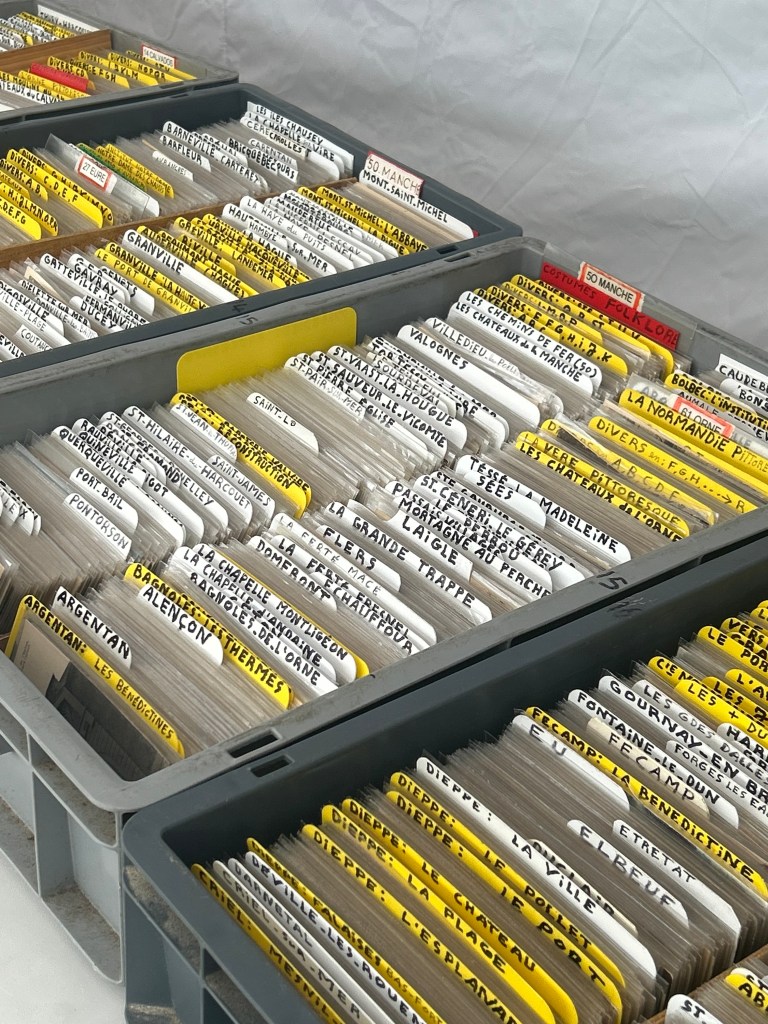
As we walked on further, we found a stand with dozens of boxes filled with old postcards from all over France and all over the world. We rifled through tabs from Toulouse to Saint-Lo and found that they were not merely vintage keepsakes, but actual postcards that people had written in and sent to their loved ones decades ago. I could have spent forever at that booth, perusing gorgeous illustrations and black and white photographs of French and world landmarks and then reading glimpses into the everyday lives of the people who visited them. From sweet messages to siblings, passionate letters to lovers, and cheeky notes to friends, the nosy drama lover and journalist in me certainly got her fill of old-timey tea. 

Entry 3: Yu Xuan and Sy – Buttery Brittany Deliciousness 

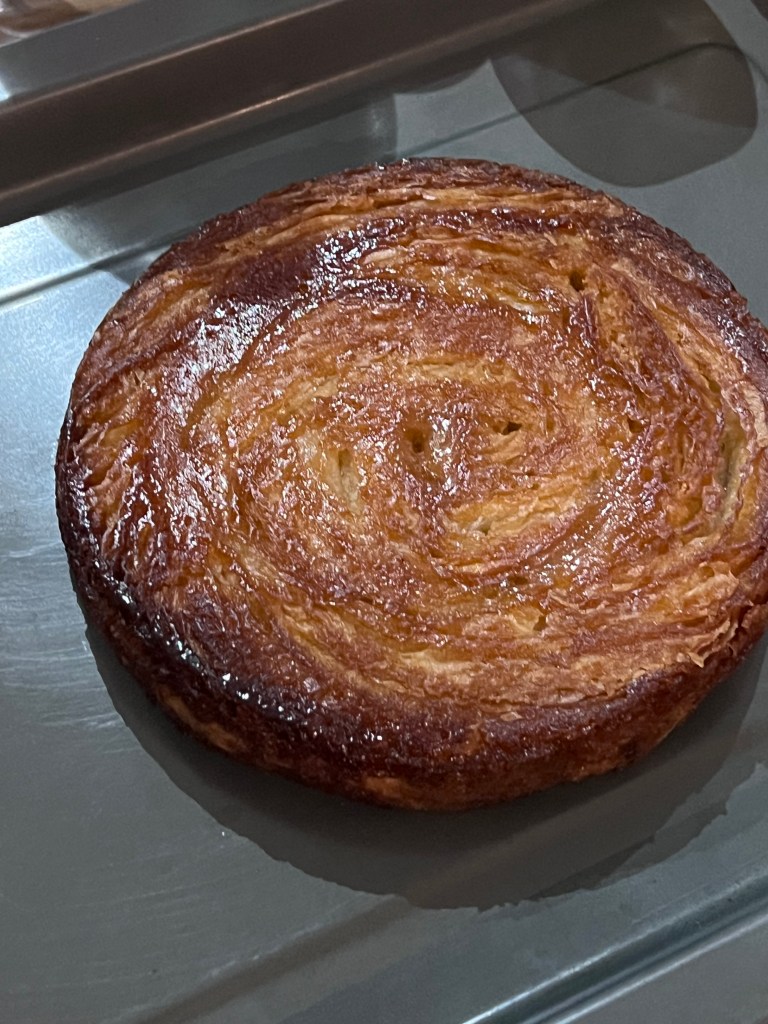
Y: We also chanced upon Elise, who introduced us to the famously buttery Brittany delicacy Kouign Amann sold in the fête! We were won over immediately and RUSHED to cop some to share!

S: I brought mine to a dinner with friends that night and it was a massive hit. Shout out Hotel California for hosting and the great people of Brittany for making a pastry that tastes as close as possible to literally just eating butter. 

Entry 4: SyMini Boats, Mini Boat Cars, and Houses With Feet 

Next, the swashbuckling sound of seafaring music drew us to the LH Port Center stalls. First, we took a moment to watch the motorized mini boat races in the pool next door (go Canada!) Then, Yu Xuan and I excitedly waited for an opportunity to get into a mini boat on wheels and ride though the maze showcasing countries along worldwide shipping lanes. Unfortunately, we discovered that despite our childlike height, we were too old to partake in this activity designed for children. And yes, it was embarrassing to ask about it and get turned down. Nevertheless, I overcame this L and had a nice conversation with an LH Port Center intern and the director about their upcoming public reopening in November. For kid-friendly and more adult-oriented programs to discover the industrial portuary activities that dominate our city, I highly recommend going to check them out.

A bit further along, we gazed amusedly at a new Un Été au Havre sculpture. Since 2017 when Le Havre celebrated 500 years since its founding, the city has sponsored new public art installations every summer to bring new charm, character, and occasionally confusion to its streets. Fan favorites remain in Le Havre once the few months of sun has passed, such as La Catène de Containers and my personal favorite, the Narrow House. What do we think of this one: does it really have “No Reason To Move”? 

Entry 5: Yu Xuan and SySnack Time!
Y: As we walked further into the street, we bought some carrot fritters to share from the stand dedicated to Culture Antillaise! They were priced at 2 euros for 6, and they were fried to perfection. Crispy on the outside and soft on the inside, they were the perfect midday snack! It kept us warm as we wandered through the light breeze.

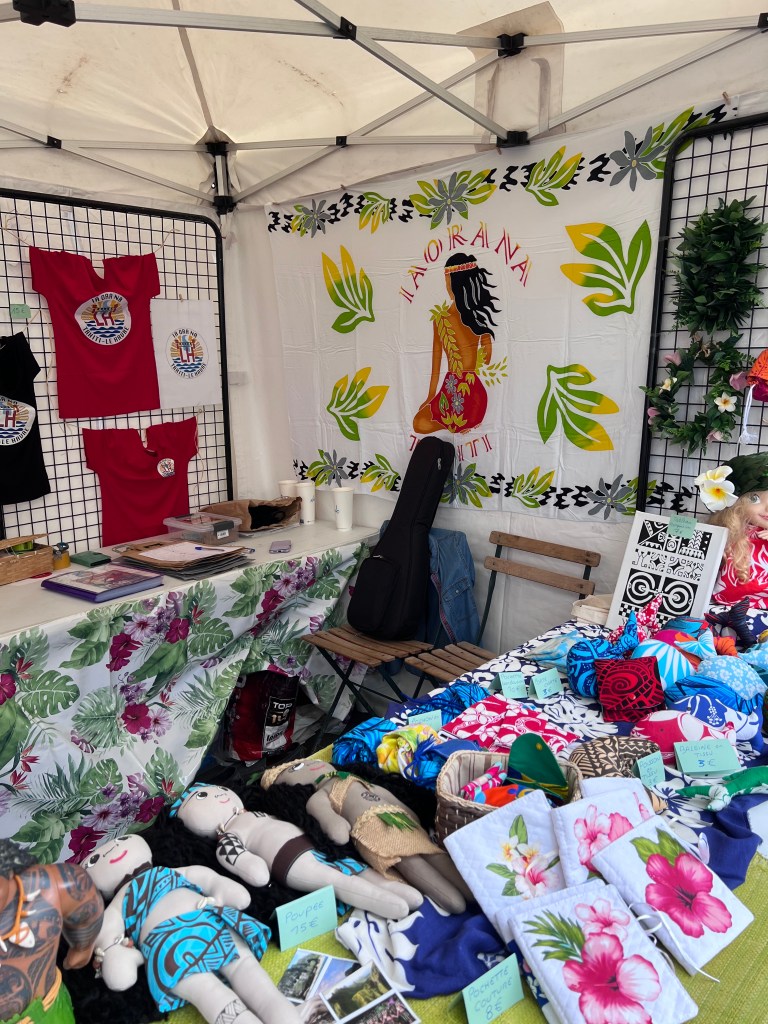
S: We also chanced upon a booth for Le Havre’s Polynesian and Tahitian culture association. They had more yummy treats as well as handmade dolls. They told us about the dance and singing workshops they conduct for their members and the community they build for Polynesian students in Le Havre and people interested in Tahiti and Polynesia. 

Entry 6: Yu Xuan – Diving Into Le Havre Associations 

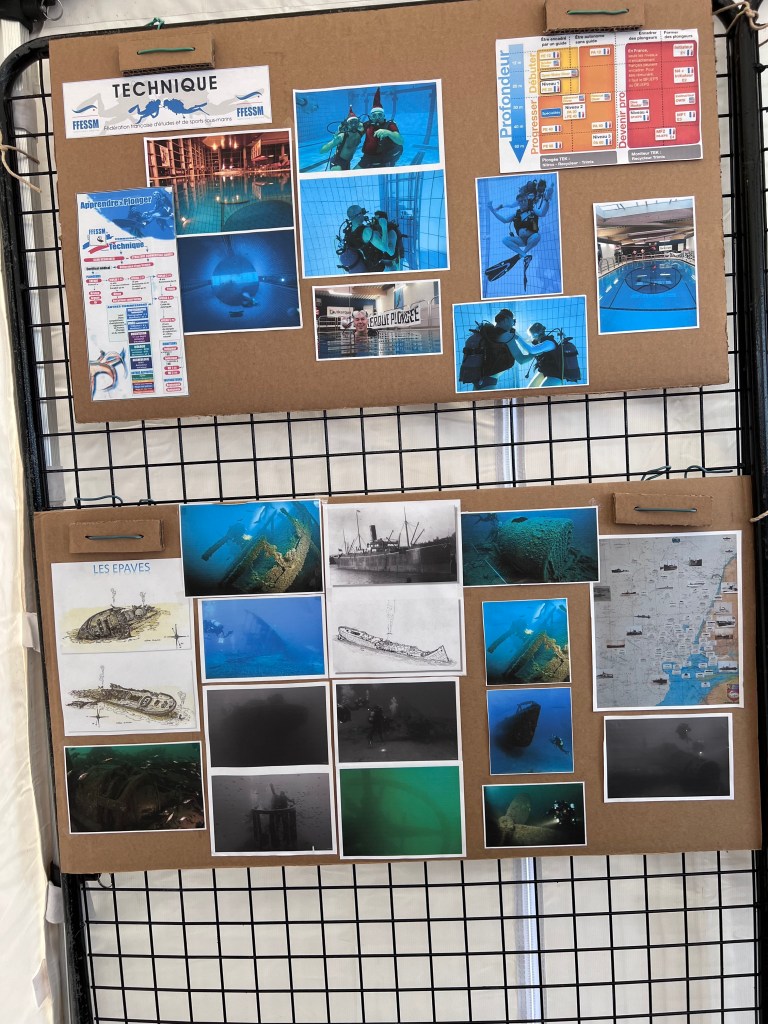
Afterwards, we approached a diving booth. The booth was decorated with colorful pictures, and it even included a documentation of weekend diving explorations in one of Belgium’s reworked diving basins called Todi. Apparently, it was an old mining silo, and eventually, a whole ecoSEAStem (haha) grew there, with fishes of varying shades of the rainbow. Enraptured by the pictures, I asked for more information. As they told me, they offer bi-weekly diving sessions in Le Havre, on Wednesdays and Saturdays! There were 2 types of diving sports that they offered — one was plongée; while the other was more professional (training one’s holding of breath underwater). For a year-long subscription for their diving equipment and diving lessons (fromSeptember to June) held in the Piscine de la Mare Rouge, it was approximately 210 euros in total. Definitely an unusual but unique hobby!

Entry 7: Yu Xuan – Friendly Fisherman 
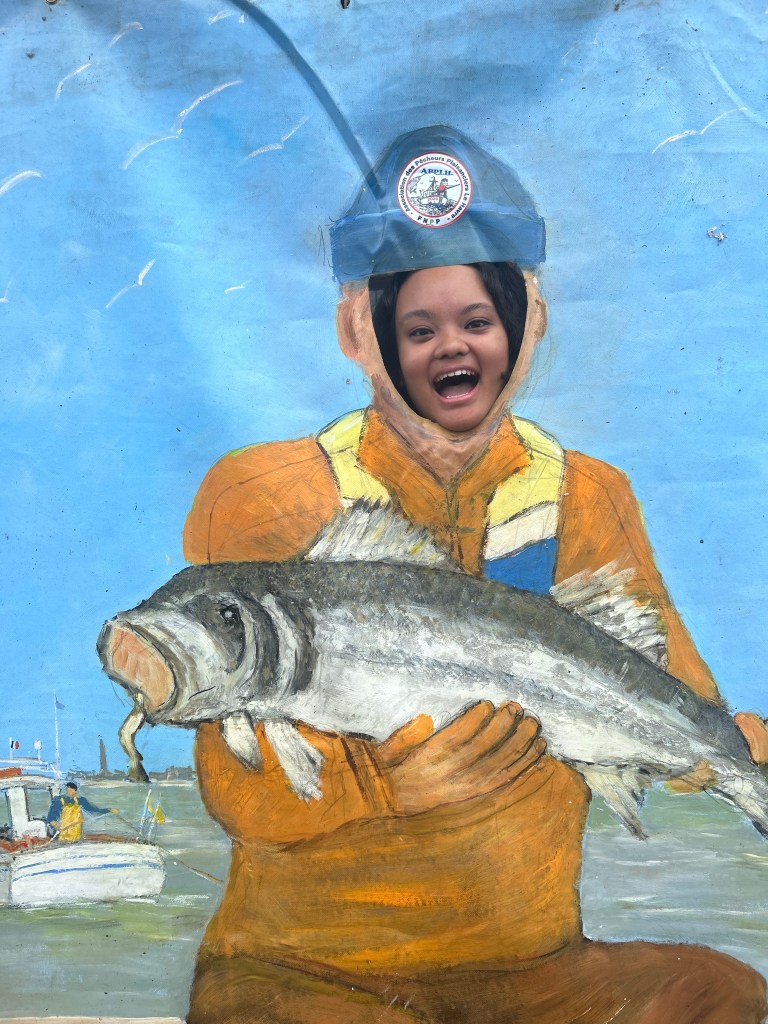
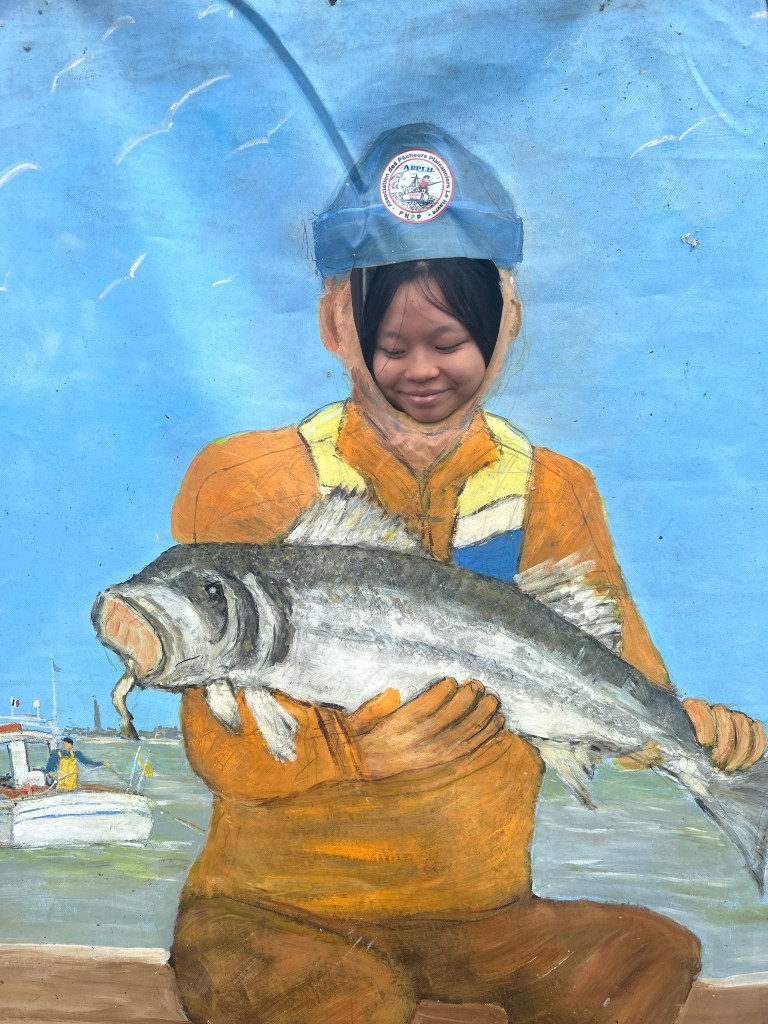
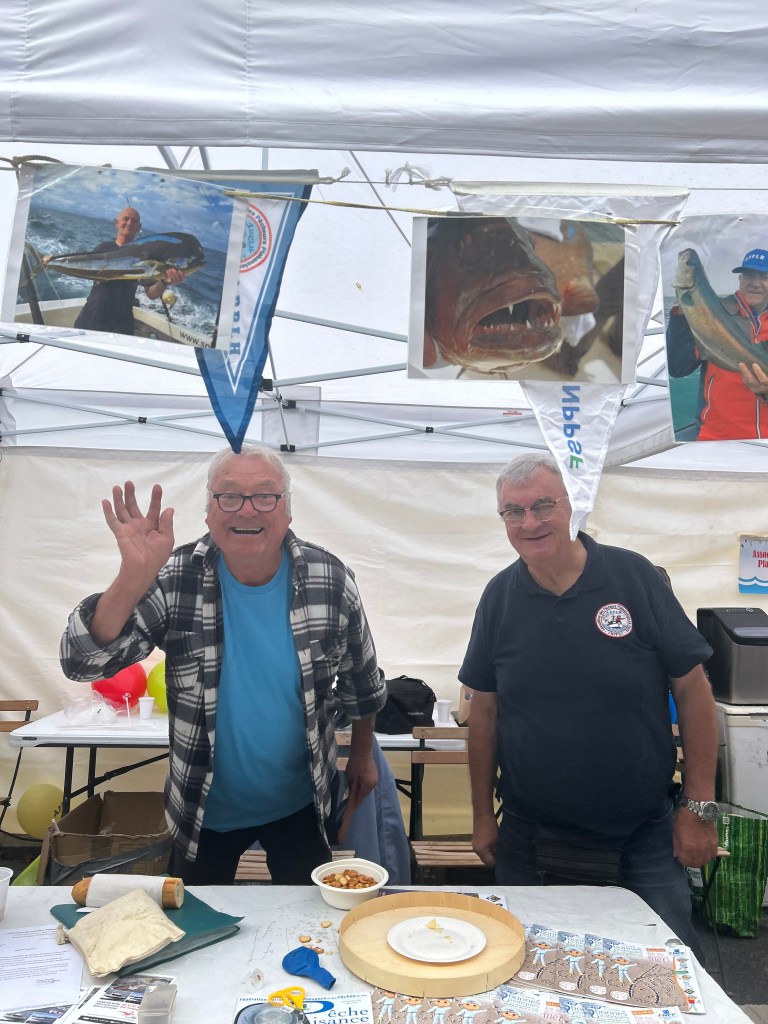
Nearby, there was a long stretch of stands that were bustling with life, which seemed to belong to the same association. Intrigued, we walked closer and we found that it was a LH fishing association. The fishermen proudly displayed their array of pictures — including the terrible looking dorade fish. I was especially impressed by their passion and welcoming spirit, as they were trying their best to communicate in English with me due to my dismal French skills. They sat us down, while demonstrating in real time how they fish, what kinds of specialized hooks they use, and displaying their different kinds of hooks. How fitting it was that they gave us goldfish biscuits to snack on! Pushing dozens of fishing brochures to us before we left, we walked away with our arms (and hearts) full.

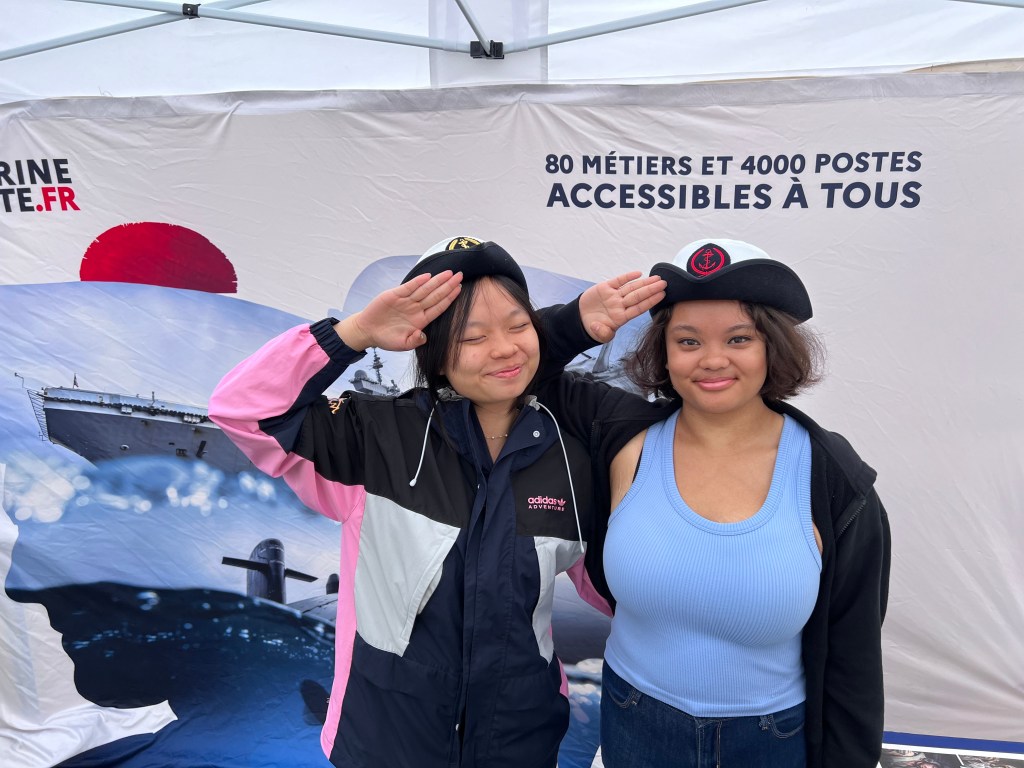
Entry 8: Yu Xuan Sciences Po Sailors 

Lastly, we found ourselves in a navy booth! My eyes were drawn to the TV screen and the Augmented Reality Headset. It was an AR experience where you get to go into the augmented navy ship, experience flying on its helicopters, boating on the ferries, and exploring the ship. I could’ve sworn I felt the wind blow as the helicopter that I “was on” took off! It was a surreal experience and I loved every bit of it. While I was trying on the AR set, Syontoni had a chat with the navy officer manning the booth, and that was when we found out that he was Baptiste, a senior from SciencesPo Le Havre! He’s currently pursuing his Masters at SciencesPo in Paris, and he was back in Le Havre to reminisce about his parcours civique experience that took place in the navy.

In conclusion, we had an amazing afternoon exploring La Fête de la Mer and learning more about all of the maritime activities and cultures that the city of Le Havre has to offer. We hope you enjoyed our diary entries and for 1As that they might have convinced you to check it out next year! 

Bisous, 

Yu Xuan and Sy