When the Microphone Became a Sword: The Grammys

By Konstancija Kevisaite

A camera click, a smile, and a gentle nod… You have finally arrived at the Grammys.

How does one explain the feeling before you go on the stage? The flickering lights and the hushed voices, tiptoeing close to the curtains and the rush of glamorous life? A set of microphones, lined up in a numerical order, is watched by a careful backstage crew eye. Glitters and powder, the last bits of the shaping of a perfect angle, can be felt in the dense air. Time stops for an hour when the blinding camera flashes and the stars gather for a bathroom selfie.

Imagine that tonight, you, the reader, are at the Grammys—one of the most awaited events in the music industry every year. As events unfold, let yourself be guided by the question: if the world’s a stage and the men and women are merely players, why did the Grammys 2026 stage become a place to take off masks and stand together for what is important at the core?

Where does the fairytale start and where does it end?

The story of this year’s Grammys will not start with “once upon a time,” as no shoe was lost in the process, and the daily news headlines that reached silenced inboxes are as far from a happy ending as possible. Today’s political arena is influencing many artists to adopt stronger narratives in their lyrics, focusing on the values that are supposed to underpin a modern society. Three themes guided the 2026 award ceremony: immigration, identity, and human rights. They were proudly displayed on artists’ chests with “ICE Out” pins. Celebrities such as Billie Eilish, Finneas, Justin Bieber, Hailey Bieber, and Kahlani incorporated these small circular statements in their final award looks. However, the real political solidarity marked on stage was the golden trophies and hearts full of gratitude for the opportunities brought by immigration, an environment that shaped identities, and humans that made it all possible to be on stage that night.

Who decides who belongs in the kingdom? If heroes once arrived as outsiders, why stop others now?

You get to sit at the table as you squeeze the dainty invitation in your secret pocket, and the fear starts to rise. I do not know these people. Do I belong? In this hypothetical scenario, you do, but what about the migrants outside the building? The ones who are not invited to sit at the neatly decorated table?

Well, the spectators on the sidelines were not left to their own devices; they were addressed in multiple speeches, starting with Bad Bunny (Benito Martínez Ocasio), the first-ever Spanish-language winner of Album of the Year with Debí Tirar Más Fotos. He started by addressing his native land, Puerto Rico, in Spanish and thanking his mother for giving birth there. Yet, in the middle of his speech, the artist switched to English and dedicated the award “to all the people who had to leave their homeland, their country, to follow their dreams. To all the people who have lost a loved one and, even so, have had to move forward, and continue with great strength, this award is for you.” Bad Bunny did not stop there, criticising ICE and appealing to the public by stating that “the only thing more powerful than hate is love,” which also became the core message during his Super Bowl LX performance later on Feb. 8. The album itself touches on topics such as cultural pride, heritage protection amid colonial tensions, and undertones of migration and diaspora.

Another key celebrity and princess of the night was Olivia Dean, a notable British newcomer, who was awarded Best New Artist. Calling herself the granddaughter of an immigrant (her maternal grandmother is from Guyana), the artist also described herself as “a product of bravery”, celebrated immigrants and emphasised that people are nothing without each other’s support. This directly corresponds to her newest album, The Art of Loving, which addresses human imperfections in relationships, embraces emotional growth, and seeks to prove that love is more of a practice than a feeling.

Lastly, Lola Young, winner of Best Pop Solo Performance for her song ‘Messy’, made a supportive claim about mental health, highlighting the world’s instability. She invited artists to keep on creating and not to conform to certain ideologies, but rather to resonate with one another.

So, when the applause fades, does the message remain?

Of course, no one is safe from criticism. Social media influencers, such as Emily Austin, and even the President of the United States, publicly stated that the event fell short. Yet, after all is said and done, if it were your turn to go on stage… would you consider the real magic to be the trophy, or the courage to speak up?
King Leopold’s (Un)civilizing Mission

by Elena Hayashi

“Slavery had come to an end throughout most of the world for one reason only: British virtue” (P.27). Despite the formal abolition of slavery by imperial powers by the late 19th century, the Scramble of Africa proved to be as dehumanising as the slave trade. In King Leopold’s Ghost, Adam Hochschild documents how the Congo Free State — presented as a humanitarian, philanthropic project — transformed into a system of exploitation and terror. Central to this transformation were the views recorded by Henry Morton Stanley, an American explorer and journalist whose travel writings portrayed Africa as in-need-of European civilization. Such representations shaped European public opinion, fostering a sense of racial superiority. The brutal extraction of labor and resources hence was framed as necessary and morally justified; necessary, by being purported to lift up the uncivilized, and justified, because the standards of civilization were defined purely by the colonizers.

“Unpeopled country”: this was the phrase that Stanley famously used to describe the continent of Africa. Africa, a place rich in culture and history was trashed by the imperial powers to be disregarded as an empty space (P.31). As an international celebrity, Stanley’s words carried enormous authority and influence on views of Africans. His description of them as lazy and cannibal-like animals allowed U.S. senators like John Morgan to see Leopold’s new state as “heaven-sent” for the growing population of freed black slaves (and send them back to Africa, their ‘uncivilised’ community) (P.79). Supported by Social Darwinism, a pseudo-scientific ideology that applied Charles Darwin’s theory of “Survival of the Fittest” in socio-political spheres, such accumulation of inferior thoughts of Africa essentially made it easier for them to dominate the natives, as they were no longer considered as human beings but rather wild vicious animals to be kept in captivity by the civilised, Western people. Hochschild demonstrates as to why the mission of Africans forced to help in the ivory trade for Belgium wasn’t considered as ‘for profit’, but rather to, “rescue these benighted people from their indolence” (P.118). 

The whole civilising mission of Africa (in focus, Belgian Congo) was outstandingly filled with brutality. The countries that had patted themselves on the back for abolishing slavery, turned to an alternative solution of keeping themselves in power — indentured labour. Porters who were utilised to increase profit were “sickly, drooping under a burden increased by tiredness and insufficient food…beasts of burden with thin monkey legs” (P.119). As one of the few reliable sources that weren’t told from Leopold’s servants’ perspective, it was devastating to read the porters’ physical and mental deterioration of health, who were eventually dazed with exhaustion. The ability of the imperialists to treat them in such a barbarous way opposes their so-called civilising mission, and is something that cannot be justified with their sense of superiority.

“In payment for rubber…I could eat them, or kill them, or use them as slaves — as I liked” (P.164). In the Congo Free State, the gathering of rubber was paid in exchange for human beings. The imperial powers were so blood-thirsty for rubber that they slaughtered millions of innocent native Africans. In a way, the number of hands brought back by the army was treated as proof of hard work and loyalty, but also as a way to remind the uncivilised Africans that they were under the authority of the civilised Europeans. 

Hochschild’s novel is powerful for its moral indictment but also for its emotional narrative. By weaving together academic research with compelling storytelling techniques, he helps reconstruct a history obscured by self-justification narratives. The native Africans were exploited and violently oppressed by the imperial powers not just for economic growth, but also as a way to prove themselves more worthy and civilised than the rest of humanity. Europeans’ view of moral superiority developed through Stanley’s accounts allowed them to colonise the ‘empty lands of Africa’, intentionally used to justify the immoral practices undertaken in the Belgian Congo by King Leopold. Ultimately, King Leopold’s Ghost demonstrates the illusion of the civilising mission — an ideological mask that provided unscrupulous justifications to the horrible working and living conditions of the native Africans.

Bibliography

Hochschild, Adam. King Leopold’s Ghost : A Story of Greed, Terror and Heroism in Colonial Africa. Mariner Books, 1998.

The representation of the sea in Arts 

by Lisa Ledieu

The ocean covers approximately 70% of the Earth. Water composes up to 60% of our bodies. H₂O, by its chemical name, has an undeniable place in human life and in the environment. Essential to survival, water is also often perceived as a motherly figure, recalling our primary state in the womb. It is a source of tranquility for the mind: looking at the sea in the distance, taking a dive in scorching weather, or even a bath to ward off the cold. It has long been a subject of human fascination as well as of representation. Thus, the aim of this article is to explain how water, especially the sea, is a core theme in art through some of its most important — yet not exhaustive — forms. Starting with painting, followed by writings and cinema, this paper seeks to offer the sea a moment of admiration, before concluding with a reflection on the necessity of protecting it. 

The sea in paintings 

Variable movements and periods of painting have taken the sea as their subject, giving birth to radically different representations of it. One can find Cubist or Expressionist pieces, but also Ukiyo-e works, and the list goes on. From this wide range, we will take a closer look at two artworks: Les Falaises de Varangeville (1897) by Claude Monet and Les Iles d’or (1891-1892) by Henri-Edmond Cross. The first, an Impressionist work, can be seen in the MuMa in Le Havre. The sea remains in the background; yet the way it is treated reveals its importance for this movement. Impressionism is indeed characterized by an effort to capture light’s reflection on different surfaces. Thus, water, and here the sea, becomes the perfect medium. In Monet’s paintings, and not only in Les Falaises de Varangeville, it is omnipresent (his Etretat’s works are also telling examples). Colors are manipulated to render different weather conditions, seasons and hours, modifying the way light reflects upon the sea. In Cross’ Neo-Impressionist Les Iles d’or, this time set not in Normandy but in the south of France near Hyères, the treatment of paint produces a different effect. In comparison with Monet’s work, the colors are more vibrant, accentuating the probable heat while the sea, in a deeper blue, presents itself as Mediterranean, leaving behind the agitated waters of the Channel. Whether calm or turbulent, the sea emerges in painting as a space of artistic inquiry, gradually offering painters an inexhaustible ground for visual experimentation. 

The sea in writings

If the sea is often used as a setting in which a story takes place, it can also become the very core of a work. Here we might turn to La mer écrite (1996) by Marguerite Duras and Mizu no sōretsu (1967) by Akira Yoshimura. Both authors take the sea as their source of inspiration, honoring it in their own way. Marguerite Duras, on the one hand, observes nature, and most importantly the sea, during her walks (some in towns of Upper Normandy) using these moments to write intimate reflections on her surroundings. The sea is personified, becoming a real character in her narratives, sometimes even deliberately intertwined with the word “mère” (‘mother’), which is pronounced the same way as “mer”(‘sea’). The text is accompanied by photographs by Hélène Bamberger, blending images and writing as a tribute to the maternal sea. Two revealing and moving extracts illustrate this: 

 ‘The sea remained there, proper, discrete, perfect, invisible, eternal.’

‘It’s the sea. It has taken everything. […] It moves with time, just as if that were possible.’

On the other hand, Akira Yoshimura portrays the sea as a powerful and violent force, successfully associating it with death itself, unavoidable. The story contrasts two groups of individuals: one summoned to construct a hydroelectric dam, and the other fiercely defending their village from the flooding that such a construction would bring. It is a telluric narrative that anticipates modern environmental concerns, despite having been written decades ago. Overall, both works place the sea at the heart of their stories, confirming its role as a key artistic element. More broadly, these examples show how literature can transform the sea from mere setting into a force that shapes narrative and meaning. 

The sea in films 

Cinema is in itself a convergence of artistic mediums, offering spectators the opportunity to experience photography, music, storytelling, poetry, and even, in some ways, painting. Like each of these forms, the seventh art can take the sea as its subject. Through its pluridisciplinarity, it is able to capture the sea as an image, accompanied by text and music, the whole becoming a unified artwork. As examples, we will consider La Pointe Courte (1955) by Agnès Varda and Flow (2024) by Gints Zilbalodis. A precursor to the French New Wave movie, La Pointe Courte is set in the eponymous fishing district of Sète, in the south of France. Beyond presenting the sea as a central topic, the film also depicts the reality of fishermen’s lives. Around the main love story unfolds a political crisis that highlights the harsh economic conditions of the working class as well as the vulnerability of the sea, threatened by overfishing (echoing our own era). The film thus brings forward a reflection on both political and environmental issues. On the other side of the shore, Flow, an animated film whose main protagonist is a black cat terrified by water. We follow him as his surroundings are gradually submerged by a wild and rising ocean. Losing companions along the way, oscillating between hope and despair, the character embodies a broader anxiety about climate change. The film invites us to question ourselves and, ultimately, to identify with him: what would we do if one day we were to be swept away by the very sea which we have abused?

A reflection on climate change 

The human-caused changes that threaten our environment should strike us even more forcefully when we take the time to admire nature. This article has sought, if only momentarily, to place the sea at the center of our thoughts. Let us try to keep nature in a corner of our minds; it may help us resist indifference and egoism. Let us look at the sea more often, and be grateful for its presence. And therefore, let us strive to respect it, in return for all it has silently given us. 

Bibliography: 

Le Studio: un retour au devant de la scène

par Manon Patouillet

Source : Paris Normandie

Nombreux, sans doute sont les étudiants du campus du Havre de Sciences Po, qui, au détour d’un scroll sur Instagram un soir de printemps 2024, sont tombés sur une pétition intitulée“Sauvegardons le Studio que nous aimons !”. Destinée à la sauvegarde du cinéma Le Studio au Havre, celle-ci a été initiée par un alumnus du campus, Elias Cantone.1 Partagée par la suite, par quelques-uns de nos camarades, la monosalle, qui traversait une période de crise à ce moment-là, était grandement soutenue par les « Mushus ». Alors que des rumeurs de tensions au sein de la gouvernance, menant à une possible fermeture du cinéma se propagent, l’été arrive et les « sciencespistes » fuient Le Havre pendant plusieurs mois. Au retour des vacances, la résolution quant à l’affaire concernant le Studio reste tout aussi floue. 

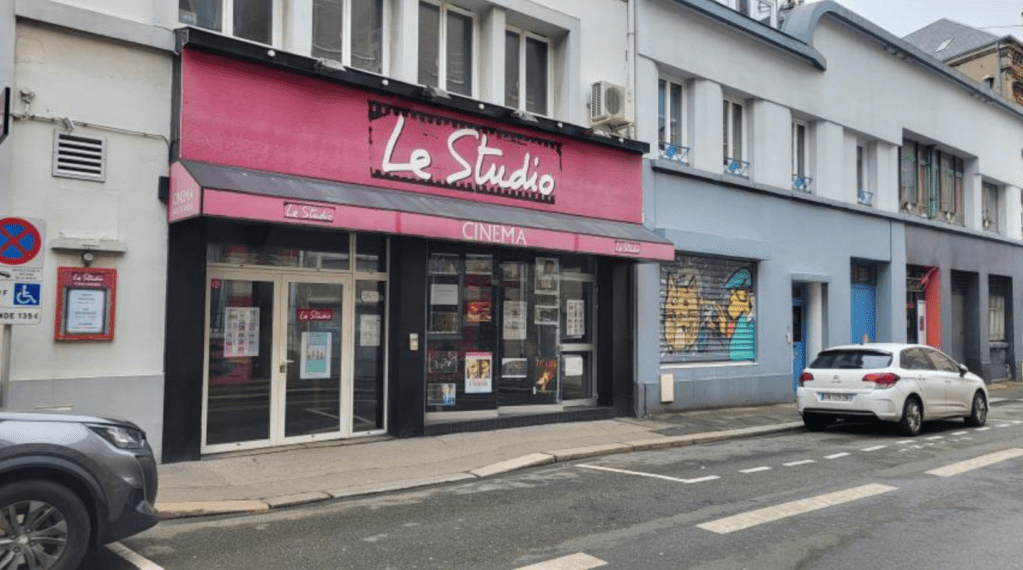
La monosalle, située au 3 rue du Général Sarrail, a vu le jour en 1999 sous l’impulsion du réalisateur Christian Zarifian. Composée d’une salle de 84 places, sa petite taille n’a pas empêché le créateur du Studio d’afficher de grandes ambitions. Zarifian souhaite que la monosalle devienne un “lieu de mémoire”2, au Havre, alliant classiques et films moins connus. Vingt cinq ans plus tard, l’objectif reste le même selon le programmateur David Lheureux, qui continue à “présenter le cinéma dans toute sa diversité”. Au fil des années, le Studio entretient également de nombreux partenariats avec d’autres organisations havraises, tels que les Ancres noires, ou Du grain à démoudre, et organise des événements pour enfants.3 

Cependant, selon les reportages de Paris Normandie, début 2023, une querelle éclate au sein de la direction du cinéma. Deux camps s’opposent, se revendiquant chacun comme le bureau légitime : d’un côté, les « anciens », composé de Patrick Gravé, président du Studio depuis 20 ans, André Fouché, le trésorier, ainsi que David Lheureux présenté précédemment ; de l’autre, la veuve et la fille du défunt créateur du Studio. Alors que la famille Zarifian organise une assemblée générale pour élire un nouveau bureau, le groupe présidé par Pierre Gravé porte plainte contre celle-ci. Cette plainte sera alors le début d’une longue bataille judiciaire, aboutissant aujourd’hui à la nomination d’une mandataire provisoire.4 

Ce conflit a semé le trouble au sein de l’équipe, déchirée par des perceptions et des ambitions différentes pour le cinéma. Pour David Lheureux, cet épisode a été rude, frustré que son travail qu’il exerce depuis 22 ans, soit remis en questions par des membres inactifs jusqu’alors.5 La situation a même mené jusqu’à mettre en péril certains partenariats précieux que le cinéma entretenait depuis longtemps. Alors que la banque bloque certains comptes, plusieurs salariés envisagent même de remettre leur démission.6 

Bien que le calme semble être revenu au 3 rue Général Sérail, la situation demeure incertaine. L’affaire est-elle complètement résolue ? Quelles sont les répercussions du conflit aujourd’hui ? Une série de questions nous viennent à l’esprit. Pourtant, interrogés sur ce sujet, David Lheureux et l’administratrice provisoire Cécile Dur ne souhaitent pas en parler. Il ne fait aucun doute que cette affaire marque une période difficile pour le cinéma, même s’il est encore trop tôt pour en tirer des conclusions. Ce havre de partage et de rencontre autour des films était devenu un terrain de querelles. Peut-être que des contraintes légales les empêchent d’aborder le sujet, ou bien cherchent-ils simplement à éviter que ce conflit, aux issues encore incertaines, ne vienne perturber la rentrée tant attendue du cinéma. 

En effet, David Lheureux ne cache pas son désir d’aller de l’avant, et se concentrer sur la réouverture et les projets à venir. Le Studio reprend une activité inchangée, avec son incontournable programmation mensuelle. En septembre, la monosalle a proposé une sélection de films variée à ses adhérents, que ce soit le classique du cinéma argentin Que la bête meure de Roman Vinoly Barretto, ou la Nouvelle Vague avec Les deux anglaises et le continent de François Truffaut. 

En parallèle, tout au long de l’année, le fil conducteur du Studio sera le cinéma asiatique contemporain. Comme tous les ans, le cinéma choisit un « cycle » de septembre à juin sur un thème défini, présenté depuis 2002 par Youri Deschamps, rédacteur en chef de la revue « Eclipses ». Au programme, des films tels que Tel père tel fils du réalisateur japonais Hirokazu Kore-eda, mais encore A touch of sin de Jia Zhang-ke, pourront ravir les spectateurs. 

L’objectif encore une fois est de faire découvrir au public havrais des cinéastes peu vus en France. Interrogé sur les raisons pour lesquelles il avait choisi ce thème, David Lheureux répond : « Je m’étais fait la réflexion (…) que dans le cinéma français actuel on est beaucoup dans le verbe, on est beaucoup dans la parole mais pas beaucoup dans l’image ». Au contraire, le cinéma asiatique contemporain est certes peu bavard, mais fort au visionnage. « Le but de ce cycle là est aussi de remettre en l’honneur le cinéma comme un art visuel ». Pour David Lheureux, ceci est « l’essence » même du cinéma. 

Ainsi, gâtés  par une programmation de telle qualité, les Havrais n’auront d’autres choix que de se rendre au Studio pour savourer ses films. Or, le cinéma d’art et d’essai a besoin de la fidélité de son public, qui doit privilégier l’expérience immersive en salle plutôt que le confort d’un film Netflix à domicile. Car une fois disparus, ces lieux de culture ne renaissent jamais. 

Yu Xuan and Syontoni Go To La Fête de la Mer!

Last weekend, we stumbled upon Le Havre’s annual maritime festival!

All photos by Yu Xuan Neo and Syontoni Hattori-Chatterjee.

9 September 2024

After our brunch at Brunch & Bowl, we were drawn towards the bustling street lined with dozens of booths. It was the annual La Fête de la Mer organized every first weekend of September in Le Havre! 

So what is this exactly?

According to Bee Le Havre, it is meant to “celebrate the sea through multiple animations.” Seafarers, merchants, port workers — basically anyone in the maritime world comes together to celebrate the festival. This is a key event in Le Havre (a port city, as we all know):  the sea is its lifeblood. 

Entry 1: Yu Xuan – The Forbidden Babymobiles 

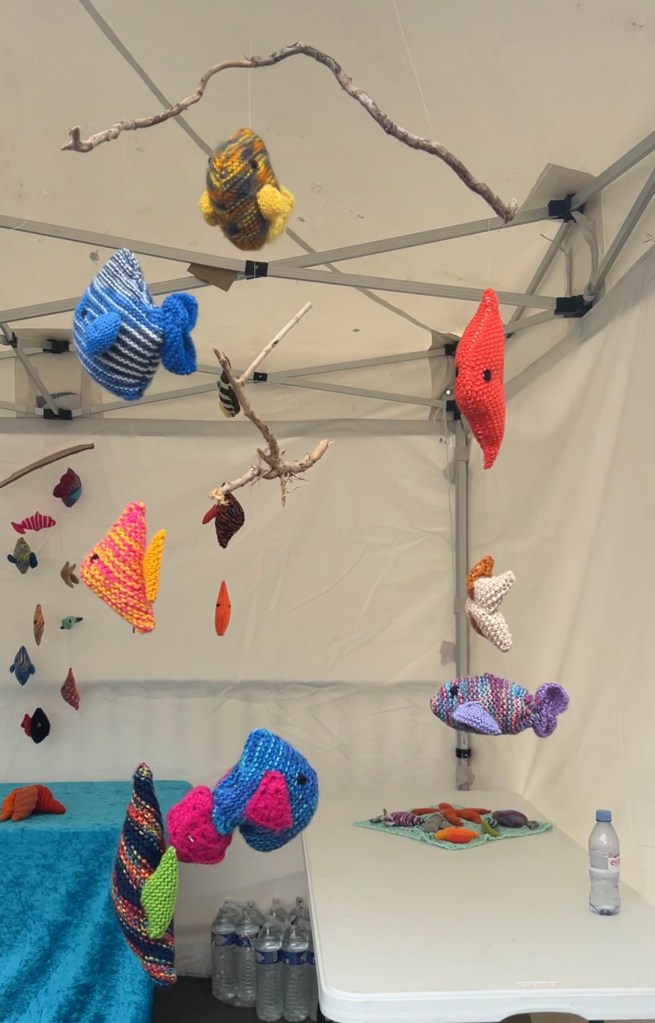
The first thing that caught my eye were the adorable sea-themed babymobiles that were hand-made and crocheted.

P.S. I wanted to buy one really badly, but they said it was only meant for decoration purposes for their workshop 😦

The fête sold absolutely everything you can think of, ranging from crystals, pastries to even spices: we paused at every booth to admire their products. I couldn’t help but appreciate how the constant flow of people and the happy chatter around us injected so much life into our little city!

Entry 2: Sy – Spicy Pirates 

Speaking of spices, shout out to the nice man at the spice booth who saw our wandering eyes and let us try some fun ones for free. Sesame seeds flavored with prune umeboshi made me think of my aunt’s house and sesame flavored with kimchi reminded me to make a quick trip to Hoa Soung (RIP but not RIP if you’ve been keeping up with LDD’s other articles). 

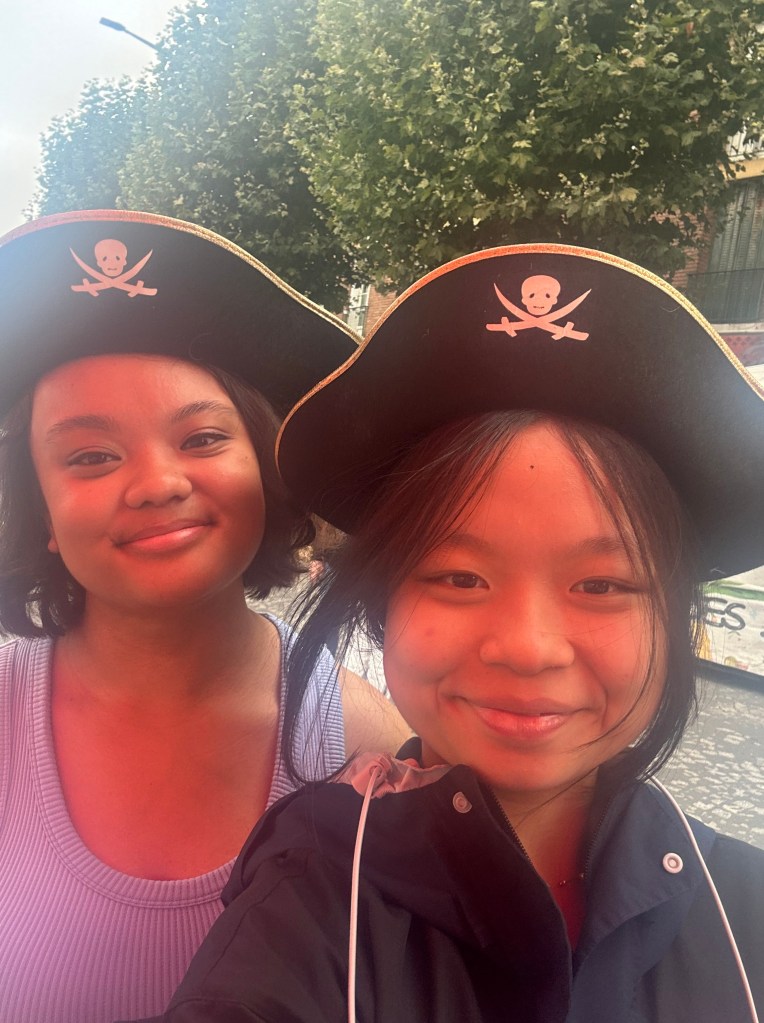
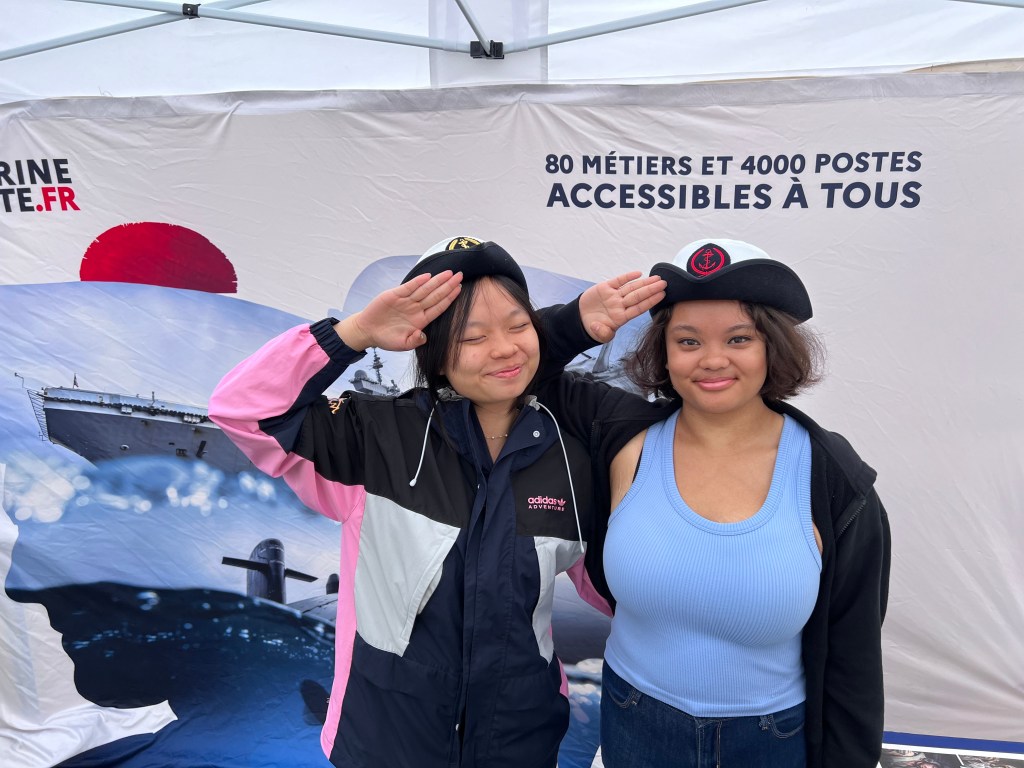
Yu Xuan and I also tried on some pirate hats but decided to go as something a bit less on the nose for Halloween in Le Havre

Entry 3: SyVintage Postcard Tea 

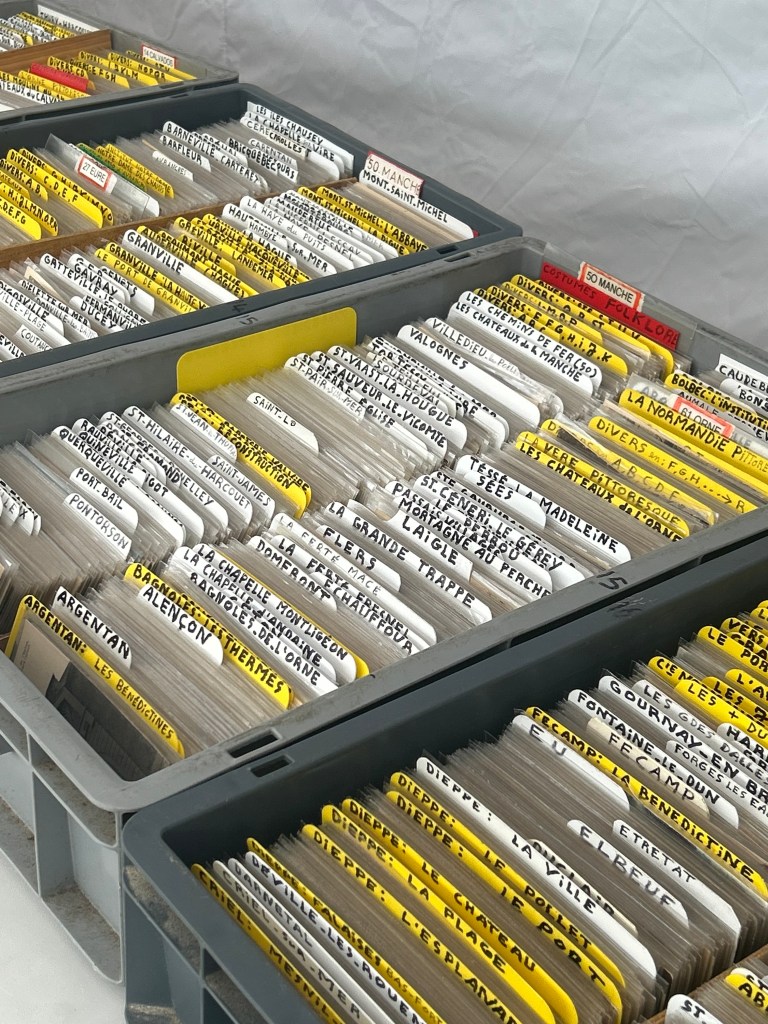
As we walked on further, we found a stand with dozens of boxes filled with old postcards from all over France and all over the world. We rifled through tabs from Toulouse to Saint-Lo and found that they were not merely vintage keepsakes, but actual postcards that people had written in and sent to their loved ones decades ago. I could have spent forever at that booth, perusing gorgeous illustrations and black and white photographs of French and world landmarks and then reading glimpses into the everyday lives of the people who visited them. From sweet messages to siblings, passionate letters to lovers, and cheeky notes to friends, the nosy drama lover and journalist in me certainly got her fill of old-timey tea. 

Entry 3: Yu Xuan and Sy – Buttery Brittany Deliciousness 

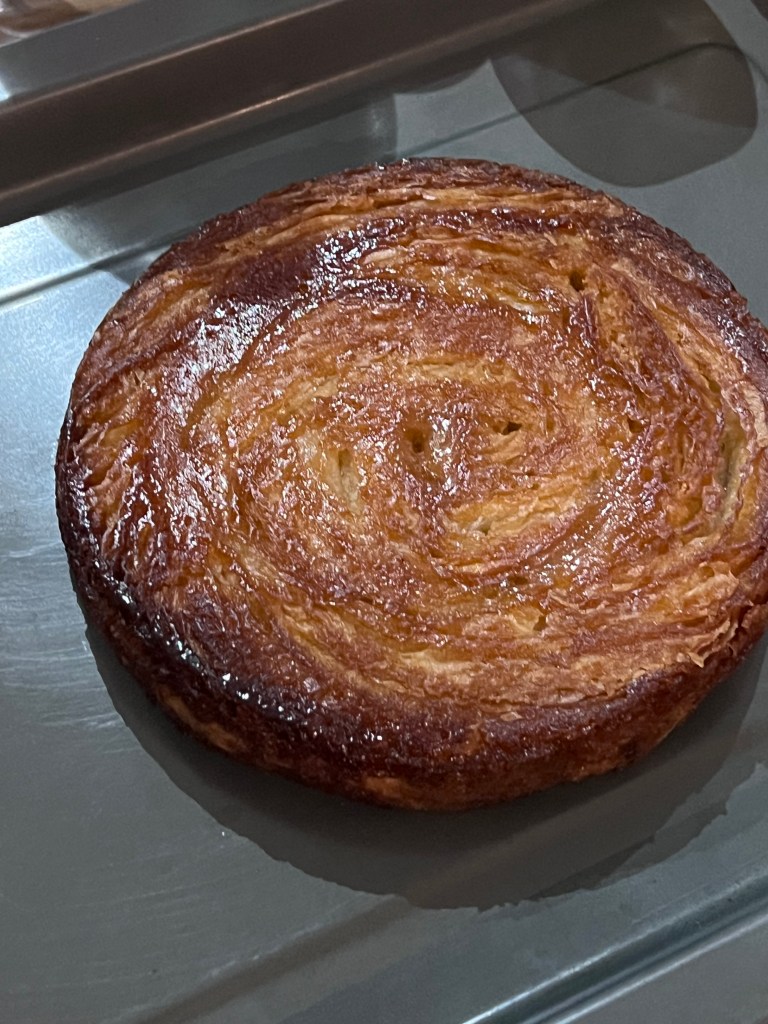
Y: We also chanced upon Elise, who introduced us to the famously buttery Brittany delicacy Kouign Amann sold in the fête! We were won over immediately and RUSHED to cop some to share!

S: I brought mine to a dinner with friends that night and it was a massive hit. Shout out Hotel California for hosting and the great people of Brittany for making a pastry that tastes as close as possible to literally just eating butter. 

Entry 4: SyMini Boats, Mini Boat Cars, and Houses With Feet 

Next, the swashbuckling sound of seafaring music drew us to the LH Port Center stalls. First, we took a moment to watch the motorized mini boat races in the pool next door (go Canada!) Then, Yu Xuan and I excitedly waited for an opportunity to get into a mini boat on wheels and ride though the maze showcasing countries along worldwide shipping lanes. Unfortunately, we discovered that despite our childlike height, we were too old to partake in this activity designed for children. And yes, it was embarrassing to ask about it and get turned down. Nevertheless, I overcame this L and had a nice conversation with an LH Port Center intern and the director about their upcoming public reopening in November. For kid-friendly and more adult-oriented programs to discover the industrial portuary activities that dominate our city, I highly recommend going to check them out.

A bit further along, we gazed amusedly at a new Un Été au Havre sculpture. Since 2017 when Le Havre celebrated 500 years since its founding, the city has sponsored new public art installations every summer to bring new charm, character, and occasionally confusion to its streets. Fan favorites remain in Le Havre once the few months of sun has passed, such as La Catène de Containers and my personal favorite, the Narrow House. What do we think of this one: does it really have “No Reason To Move”? 

Entry 5: Yu Xuan and SySnack Time!
Y: As we walked further into the street, we bought some carrot fritters to share from the stand dedicated to Culture Antillaise! They were priced at 2 euros for 6, and they were fried to perfection. Crispy on the outside and soft on the inside, they were the perfect midday snack! It kept us warm as we wandered through the light breeze.

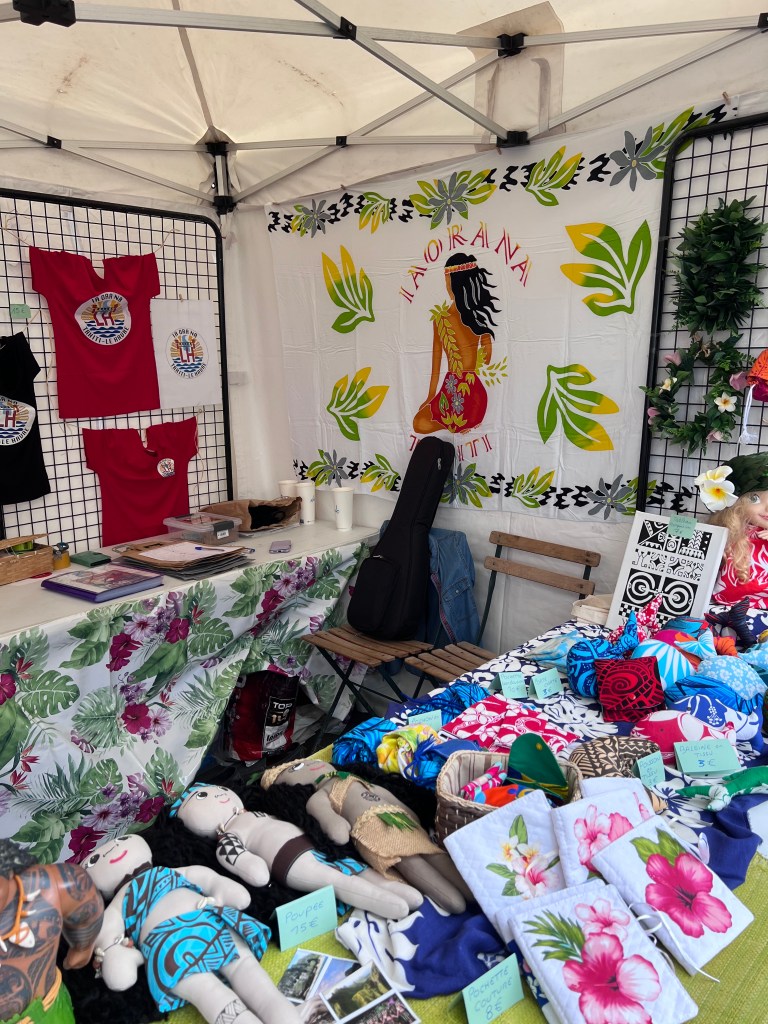
S: We also chanced upon a booth for Le Havre’s Polynesian and Tahitian culture association. They had more yummy treats as well as handmade dolls. They told us about the dance and singing workshops they conduct for their members and the community they build for Polynesian students in Le Havre and people interested in Tahiti and Polynesia. 

Entry 6: Yu Xuan – Diving Into Le Havre Associations 

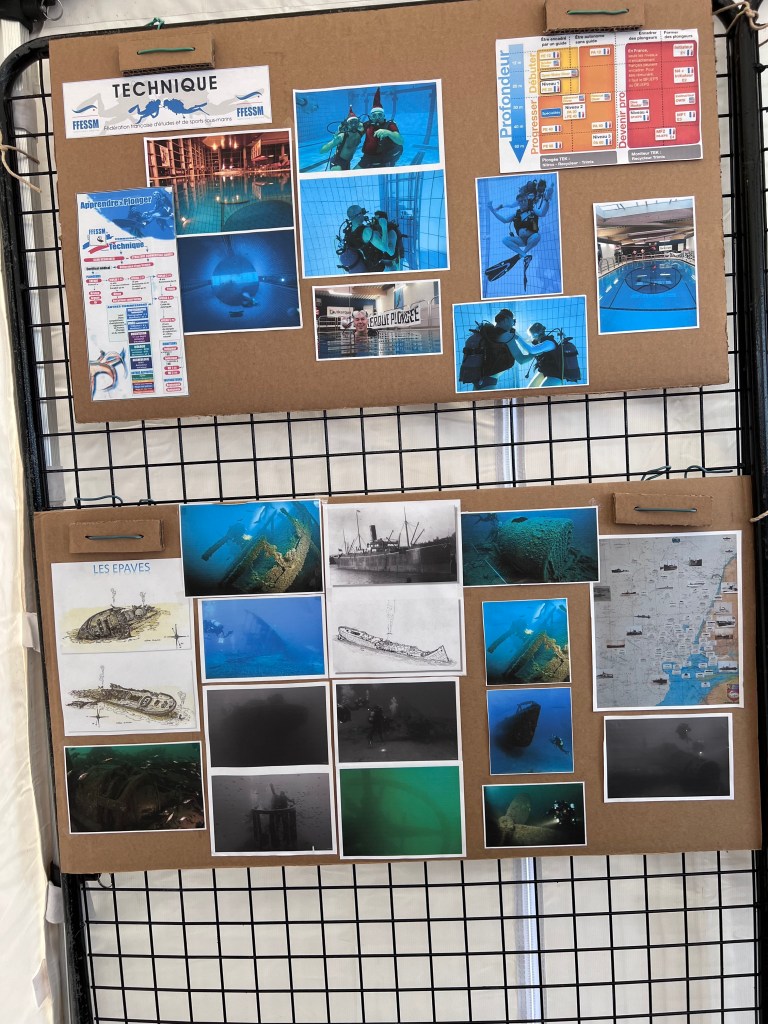
Afterwards, we approached a diving booth. The booth was decorated with colorful pictures, and it even included a documentation of weekend diving explorations in one of Belgium’s reworked diving basins called Todi. Apparently, it was an old mining silo, and eventually, a whole ecoSEAStem (haha) grew there, with fishes of varying shades of the rainbow. Enraptured by the pictures, I asked for more information. As they told me, they offer bi-weekly diving sessions in Le Havre, on Wednesdays and Saturdays! There were 2 types of diving sports that they offered — one was plongée; while the other was more professional (training one’s holding of breath underwater). For a year-long subscription for their diving equipment and diving lessons (fromSeptember to June) held in the Piscine de la Mare Rouge, it was approximately 210 euros in total. Definitely an unusual but unique hobby!

Entry 7: Yu Xuan – Friendly Fisherman 
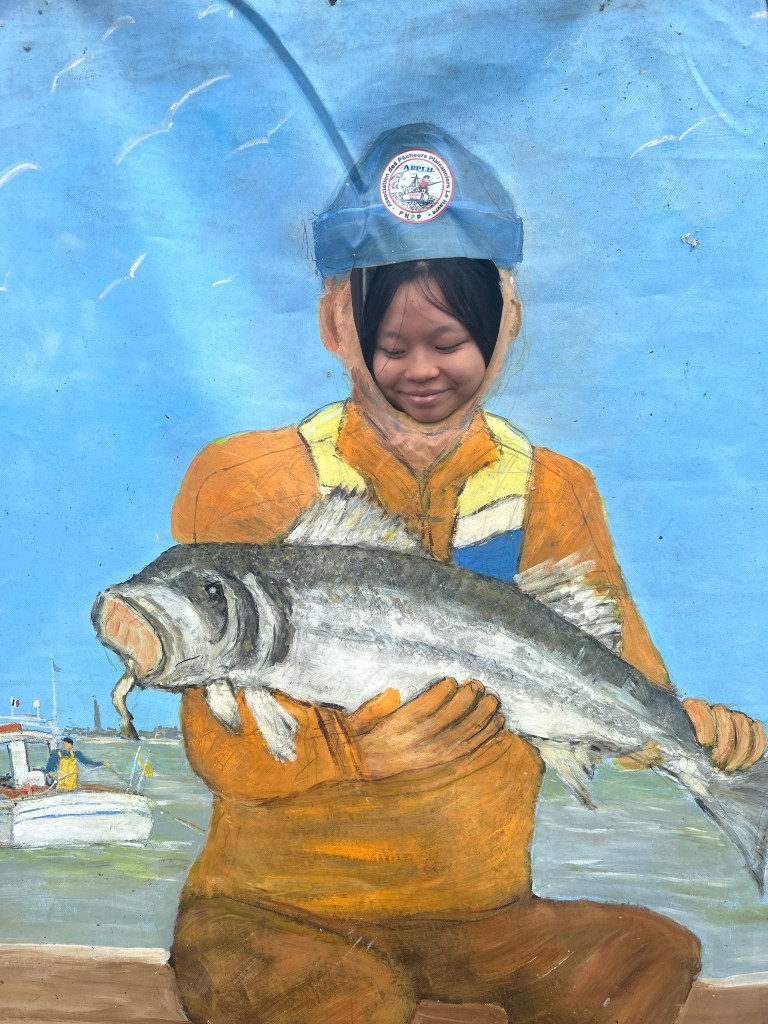
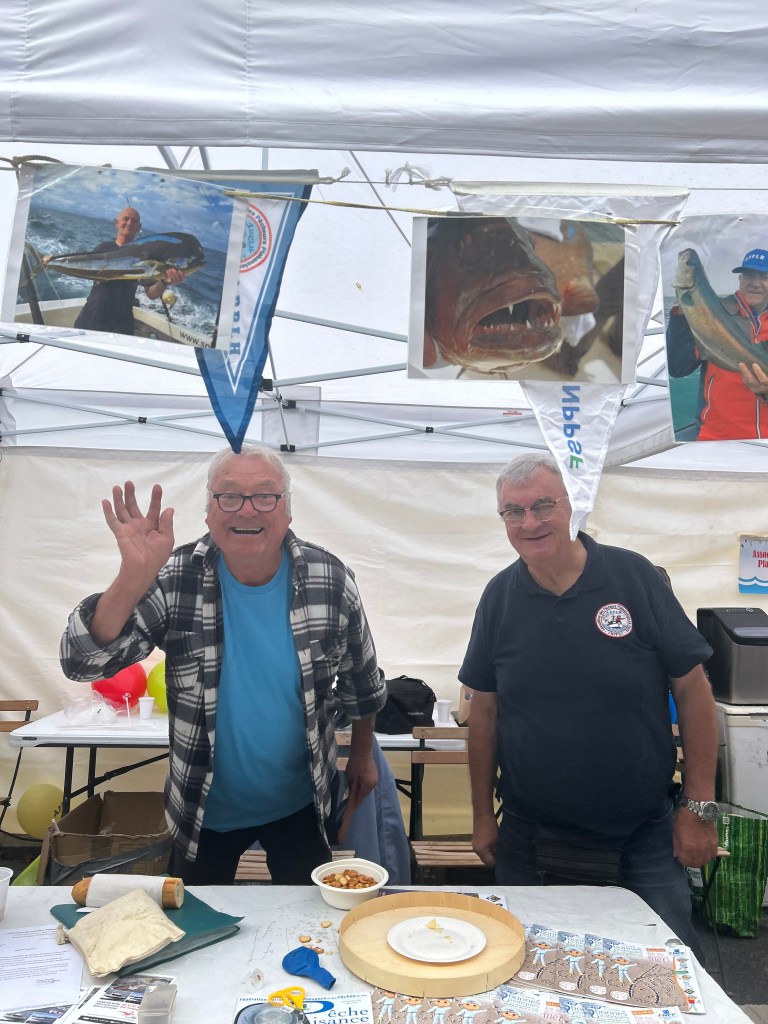
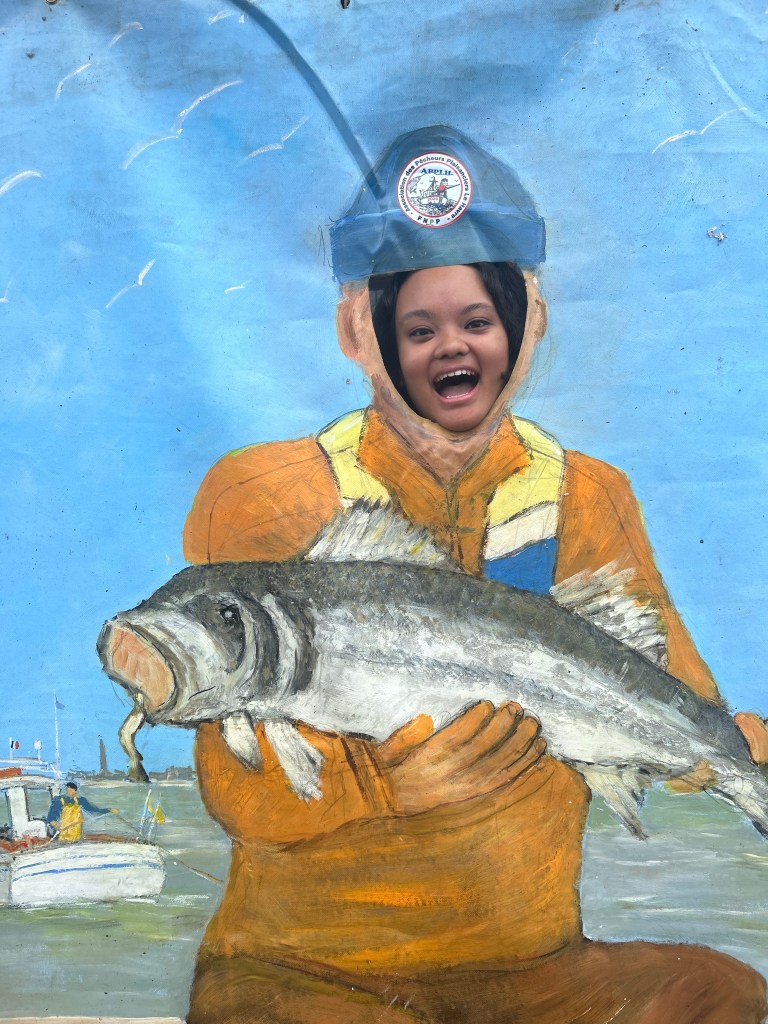
Nearby, there was a long stretch of stands that were bustling with life, which seemed to belong to the same association. Intrigued, we walked closer and we found that it was a LH fishing association. The fishermen proudly displayed their array of pictures — including the terrible looking dorade fish. I was especially impressed by their passion and welcoming spirit, as they were trying their best to communicate in English with me due to my dismal French skills. They sat us down, while demonstrating in real time how they fish, what kinds of specialized hooks they use, and displaying their different kinds of hooks. How fitting it was that they gave us goldfish biscuits to snack on! Pushing dozens of fishing brochures to us before we left, we walked away with our arms (and hearts) full.

Entry 8: Yu Xuan Sciences Po Sailors 

Lastly, we found ourselves in a navy booth! My eyes were drawn to the TV screen and the Augmented Reality Headset. It was an AR experience where you get to go into the augmented navy ship, experience flying on its helicopters, boating on the ferries, and exploring the ship. I could’ve sworn I felt the wind blow as the helicopter that I “was on” took off! It was a surreal experience and I loved every bit of it. While I was trying on the AR set, Syontoni had a chat with the navy officer manning the booth, and that was when we found out that he was Baptiste, a senior from SciencesPo Le Havre! He’s currently pursuing his Masters at SciencesPo in Paris, and he was back in Le Havre to reminisce about his parcours civique experience that took place in the navy.

In conclusion, we had an amazing afternoon exploring La Fête de la Mer and learning more about all of the maritime activities and cultures that the city of Le Havre has to offer. We hope you enjoyed our diary entries and for 1As that they might have convinced you to check it out next year! 

Bisous, 

Yu Xuan and Sy