Yu Xuan and Syontoni Go To La Fête de la Mer!

Last weekend, we stumbled upon Le Havre’s annual maritime festival!
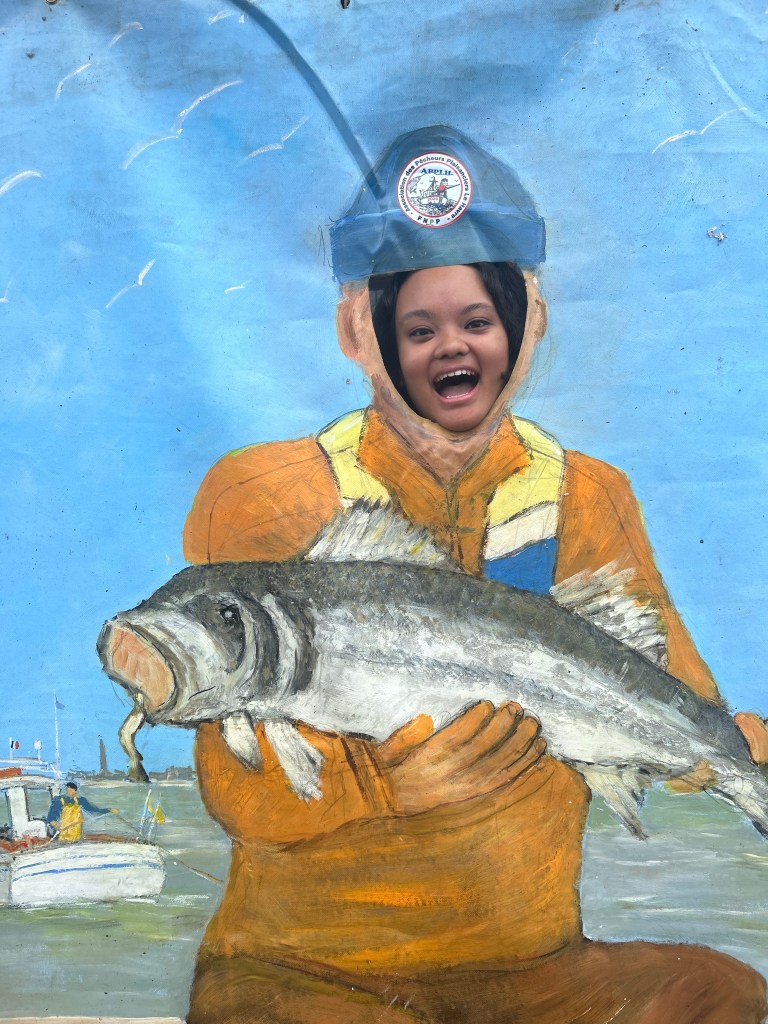
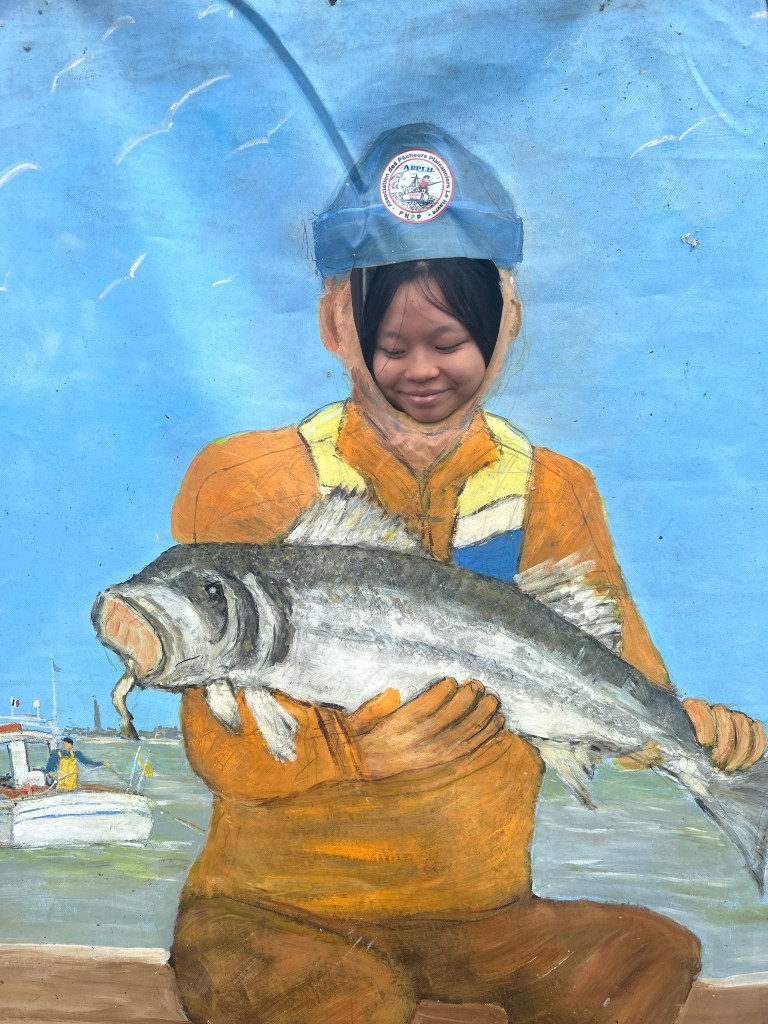
All photos by Yu Xuan Neo and Syontoni Hattori-Chatterjee.

9 September 2024

After our brunch at Brunch & Bowl, we were drawn towards the bustling street lined with dozens of booths. It was the annual La Fête de la Mer organized every first weekend of September in Le Havre! 

So what is this exactly?

According to Bee Le Havre, it is meant to “celebrate the sea through multiple animations.” Seafarers, merchants, port workers — basically anyone in the maritime world comes together to celebrate the festival. This is a key event in Le Havre (a port city, as we all know):  the sea is its lifeblood. 

Entry 1: Yu Xuan – The Forbidden Babymobiles 

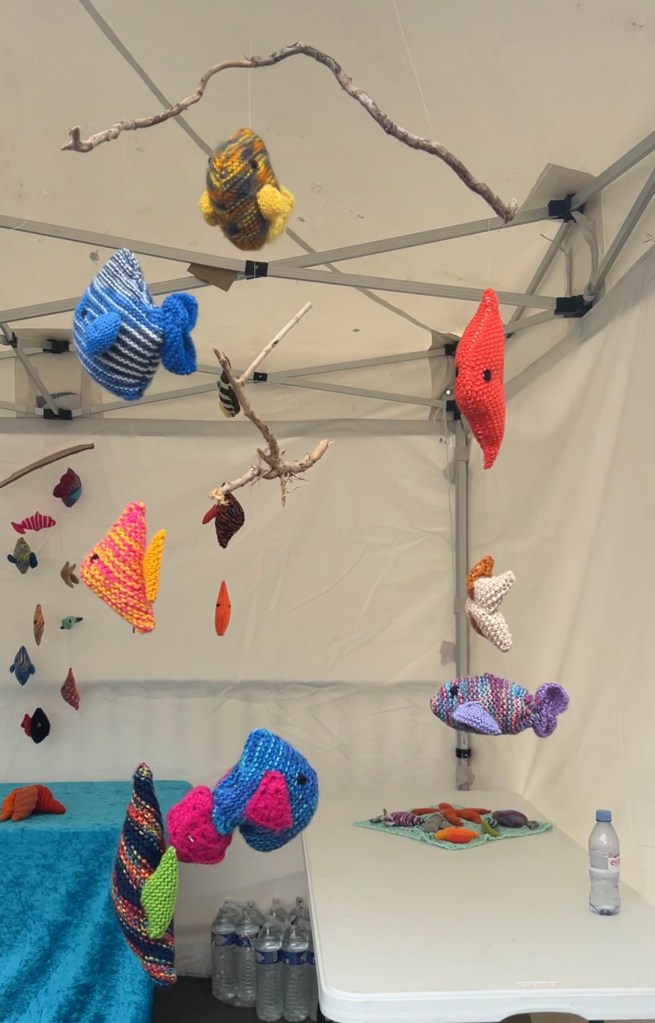
The first thing that caught my eye were the adorable sea-themed babymobiles that were hand-made and crocheted.

P.S. I wanted to buy one really badly, but they said it was only meant for decoration purposes for their workshop 😦
The fête sold absolutely everything you can think of, ranging from crystals, pastries to even spices: we paused at every booth to admire their products. I couldn’t help but appreciate how the constant flow of people and the happy chatter around us injected so much life into our little city!

Entry 2: Sy – Spicy Pirates 

Speaking of spices, shout out to the nice man at the spice booth who saw our wandering eyes and let us try some fun ones for free. Sesame seeds flavored with prune umeboshi made me think of my aunt’s house and sesame flavored with kimchi reminded me to make a quick trip to Hoa Soung (RIP but not RIP if you’ve been keeping up with LDD’s other articles). 

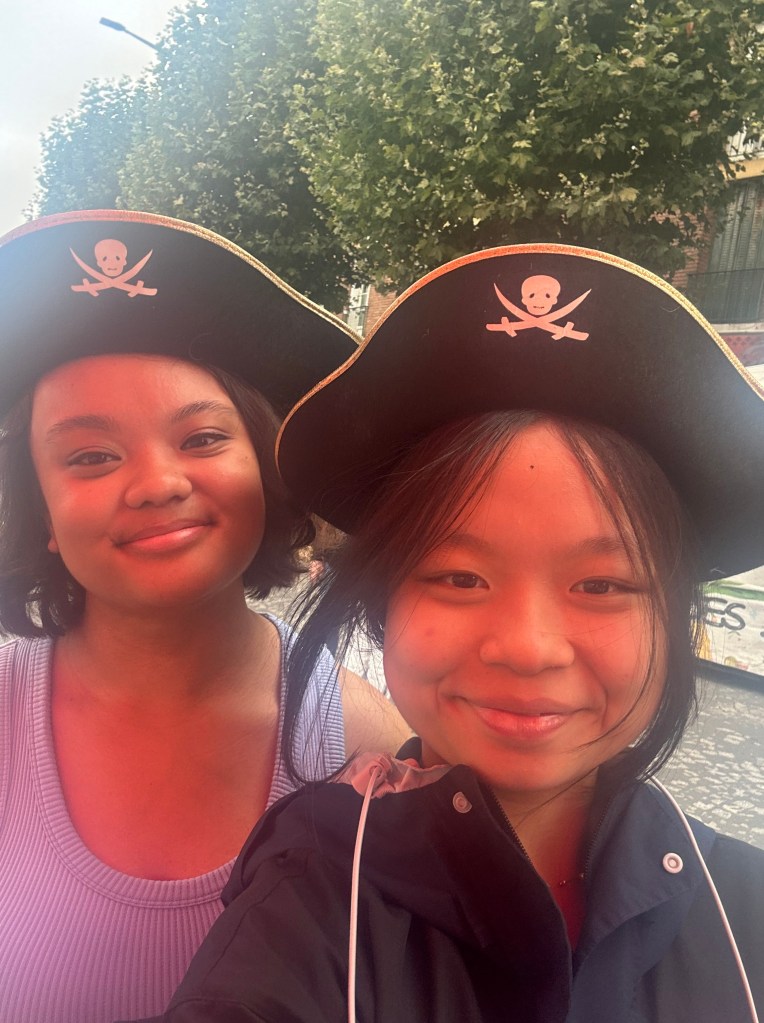
Yu Xuan and I also tried on some pirate hats but decided to go as something a bit less on the nose for Halloween in Le Havre
Entry 3: SyVintage Postcard Tea 

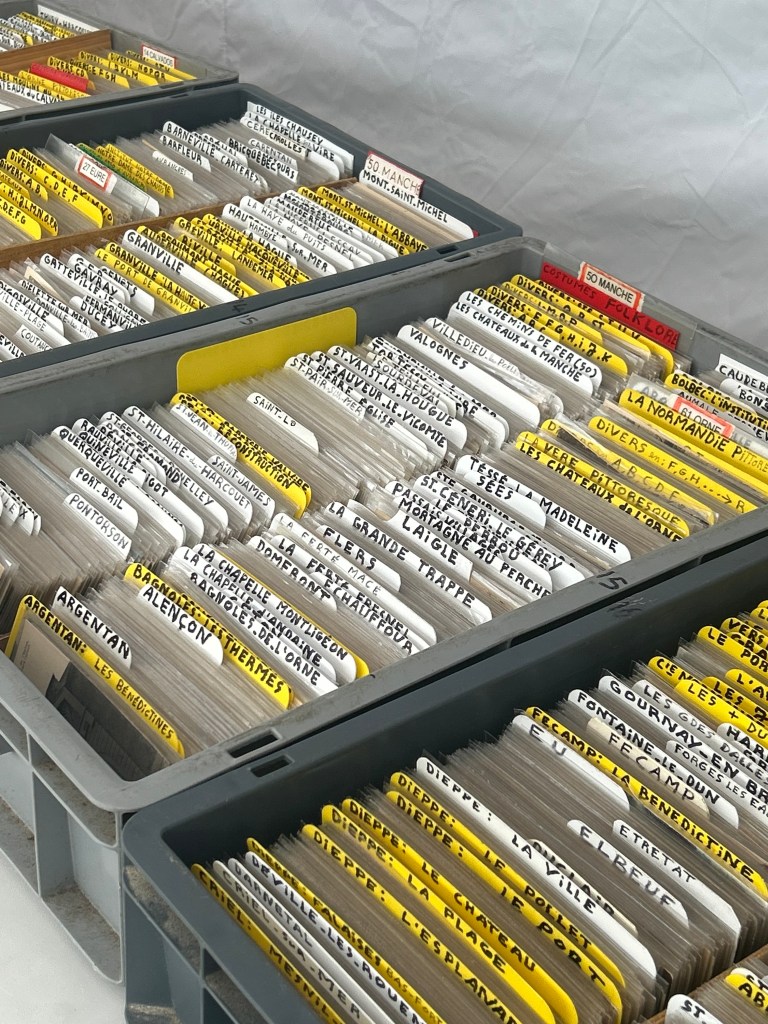
As we walked on further, we found a stand with dozens of boxes filled with old postcards from all over France and all over the world. We rifled through tabs from Toulouse to Saint-Lo and found that they were not merely vintage keepsakes, but actual postcards that people had written in and sent to their loved ones decades ago. I could have spent forever at that booth, perusing gorgeous illustrations and black and white photographs of French and world landmarks and then reading glimpses into the everyday lives of the people who visited them. From sweet messages to siblings, passionate letters to lovers, and cheeky notes to friends, the nosy drama lover and journalist in me certainly got her fill of old-timey tea. 
Entry 3: Yu Xuan and Sy – Buttery Brittany Deliciousness 

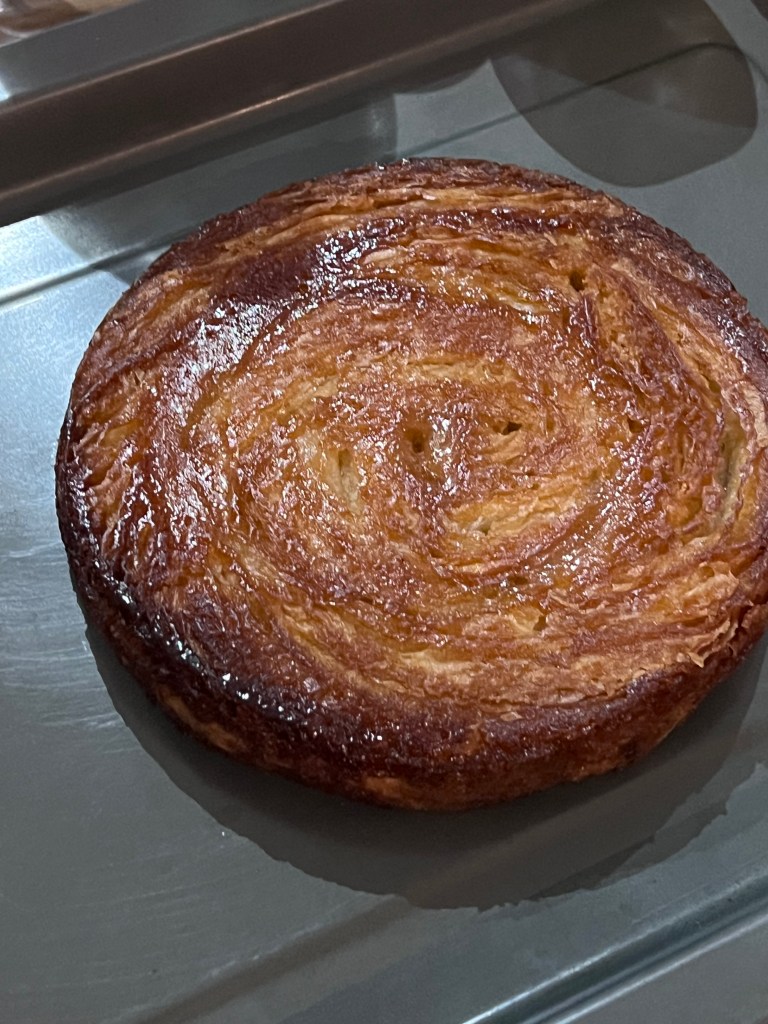
Y: We also chanced upon Elise, who introduced us to the famously buttery Brittany delicacy Kouign Amann sold in the fête! We were won over immediately and RUSHED to cop some to share!

S: I brought mine to a dinner with friends that night and it was a massive hit. Shout out Hotel California for hosting and the great people of Brittany for making a pastry that tastes as close as possible to literally just eating butter. 
Entry 4: SyMini Boats, Mini Boat Cars, and Houses With Feet 

Next, the swashbuckling sound of seafaring music drew us to the LH Port Center stalls. First, we took a moment to watch the motorized mini boat races in the pool next door (go Canada!) Then, Yu Xuan and I excitedly waited for an opportunity to get into a mini boat on wheels and ride though the maze showcasing countries along worldwide shipping lanes. Unfortunately, we discovered that despite our childlike height, we were too old to partake in this activity designed for children. And yes, it was embarrassing to ask about it and get turned down. Nevertheless, I overcame this L and had a nice conversation with an LH Port Center intern and the director about their upcoming public reopening in November. For kid-friendly and more adult-oriented programs to discover the industrial portuary activities that dominate our city, I highly recommend going to check them out.

A bit further along, we gazed amusedly at a new Un Été au Havre sculpture. Since 2017 when Le Havre celebrated 500 years since its founding, the city has sponsored new public art installations every summer to bring new charm, character, and occasionally confusion to its streets. Fan favorites remain in Le Havre once the few months of sun has passed, such as La Catène de Containers and my personal favorite, the Narrow House. What do we think of this one: does it really have “No Reason To Move”? 

Entry 5: Yu Xuan and SySnack Time!
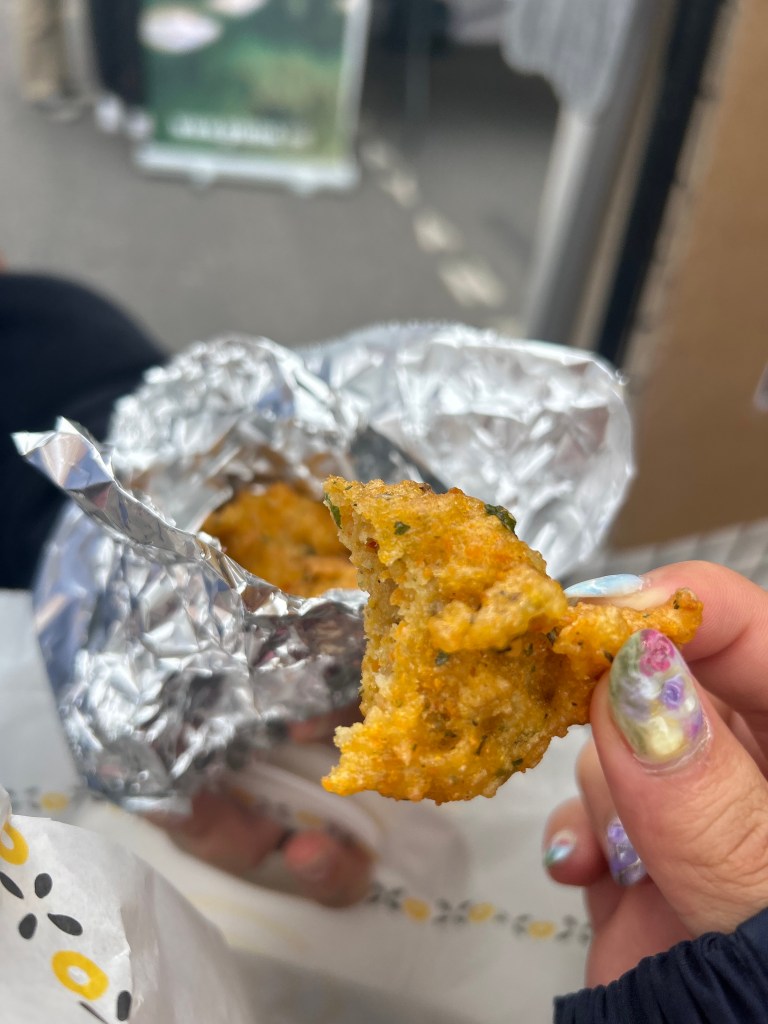
Y: As we walked further into the street, we bought some carrot fritters to share from the stand dedicated to Culture Antillaise! They were priced at 2 euros for 6, and they were fried to perfection. Crispy on the outside and soft on the inside, they were the perfect midday snack! It kept us warm as we wandered through the light breeze.
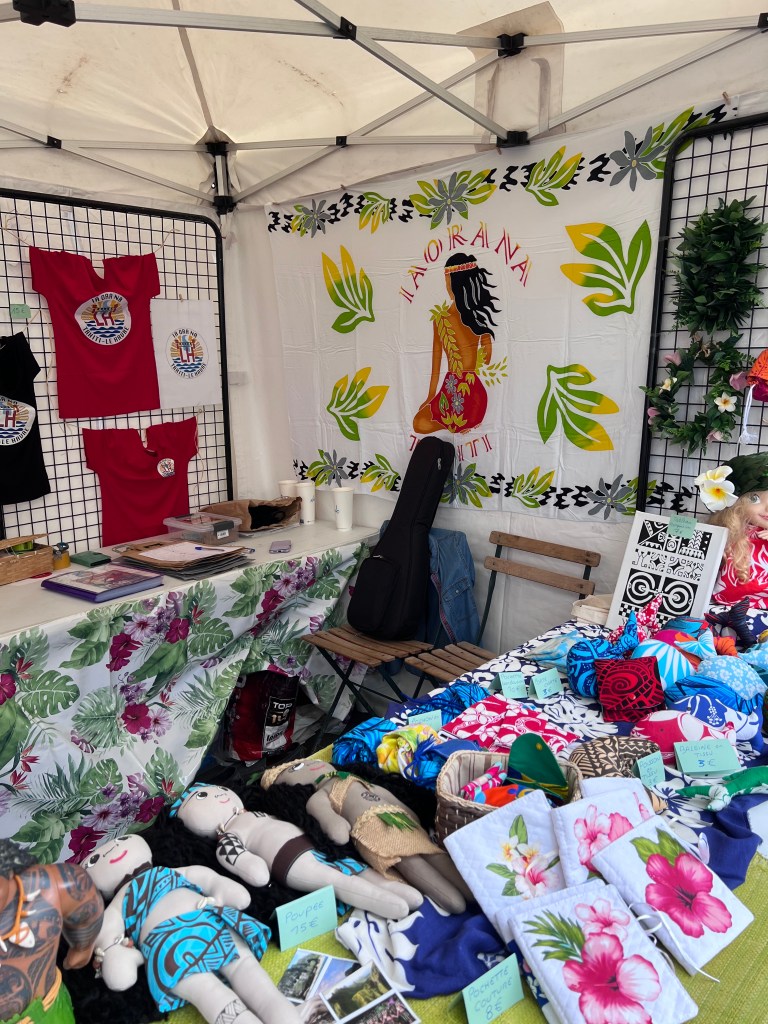
S: We also chanced upon a booth for Le Havre’s Polynesian and Tahitian culture association. They had more yummy treats as well as handmade dolls. They told us about the dance and singing workshops they conduct for their members and the community they build for Polynesian students in Le Havre and people interested in Tahiti and Polynesia. 
Entry 6: Yu Xuan – Diving Into Le Havre Associations 

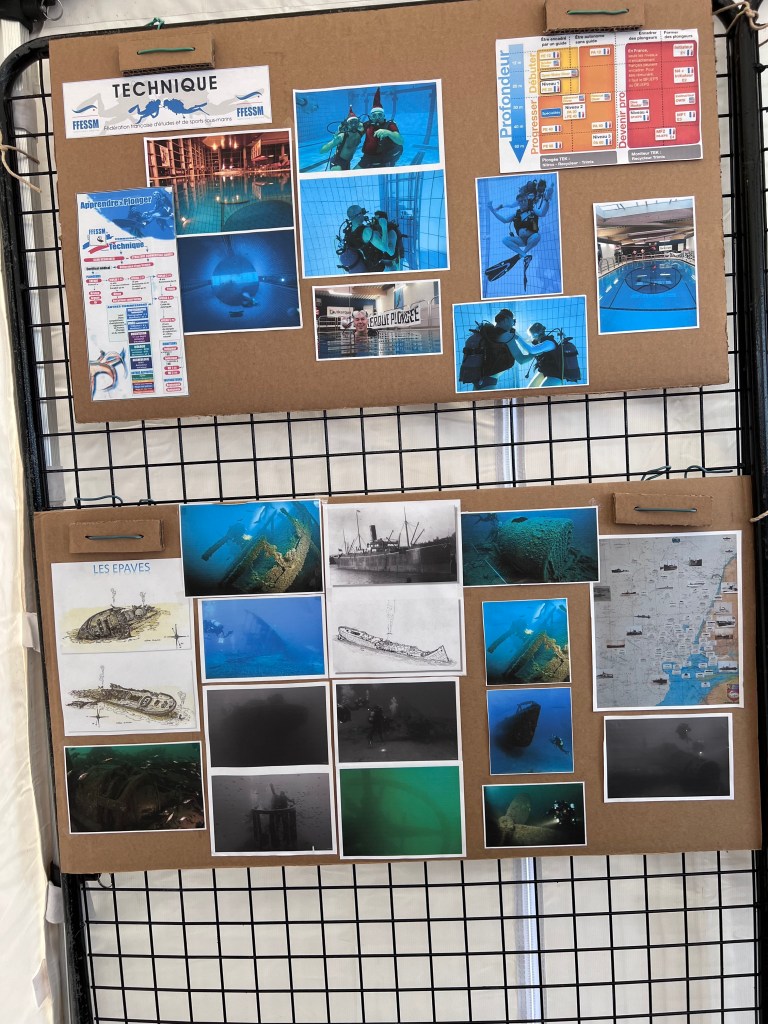
Afterwards, we approached a diving booth. The booth was decorated with colorful pictures, and it even included a documentation of weekend diving explorations in one of Belgium’s reworked diving basins called Todi. Apparently, it was an old mining silo, and eventually, a whole ecoSEAStem (haha) grew there, with fishes of varying shades of the rainbow. Enraptured by the pictures, I asked for more information. As they told me, they offer bi-weekly diving sessions in Le Havre, on Wednesdays and Saturdays! There were 2 types of diving sports that they offered — one was plongée; while the other was more professional (training one’s holding of breath underwater). For a year-long subscription for their diving equipment and diving lessons (fromSeptember to June) held in the Piscine de la Mare Rouge, it was approximately 210 euros in total. Definitely an unusual but unique hobby!
Entry 7: Yu Xuan – Friendly Fisherman 
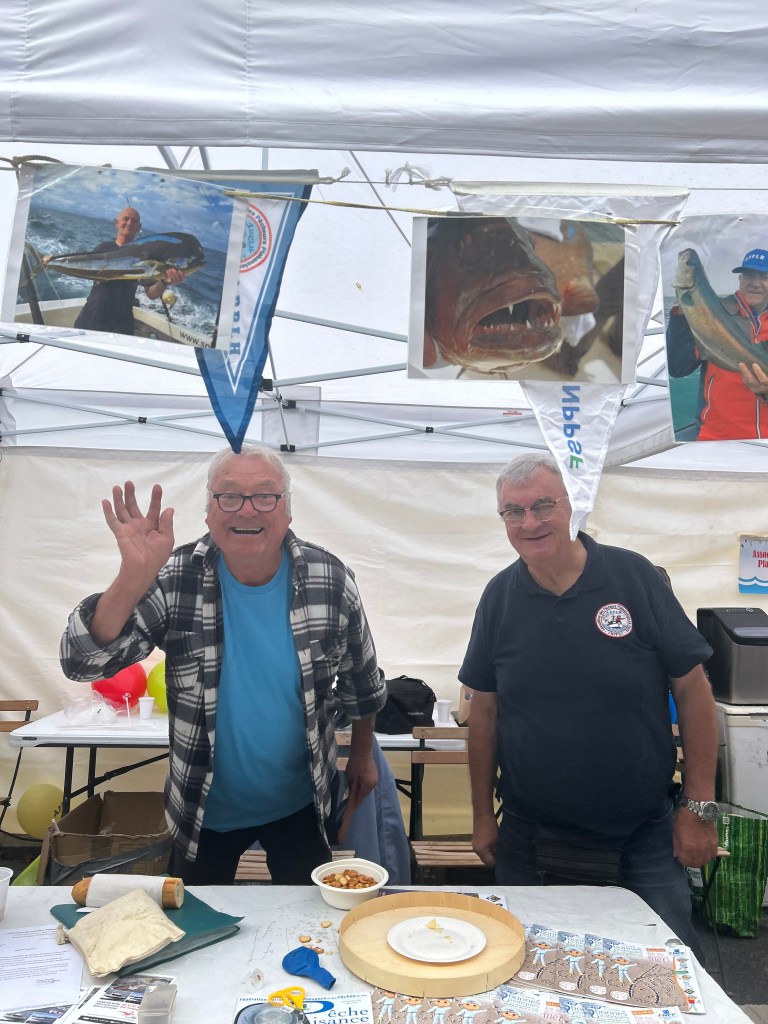
Nearby, there was a long stretch of stands that were bustling with life, which seemed to belong to the same association. Intrigued, we walked closer and we found that it was a LH fishing association. The fishermen proudly displayed their array of pictures — including the terrible looking dorade fish. I was especially impressed by their passion and welcoming spirit, as they were trying their best to communicate in English with me due to my dismal French skills. They sat us down, while demonstrating in real time how they fish, what kinds of specialized hooks they use, and displaying their different kinds of hooks. How fitting it was that they gave us goldfish biscuits to snack on! Pushing dozens of fishing brochures to us before we left, we walked away with our arms (and hearts) full.
Entry 8: Yu Xuan Sciences Po Sailors 

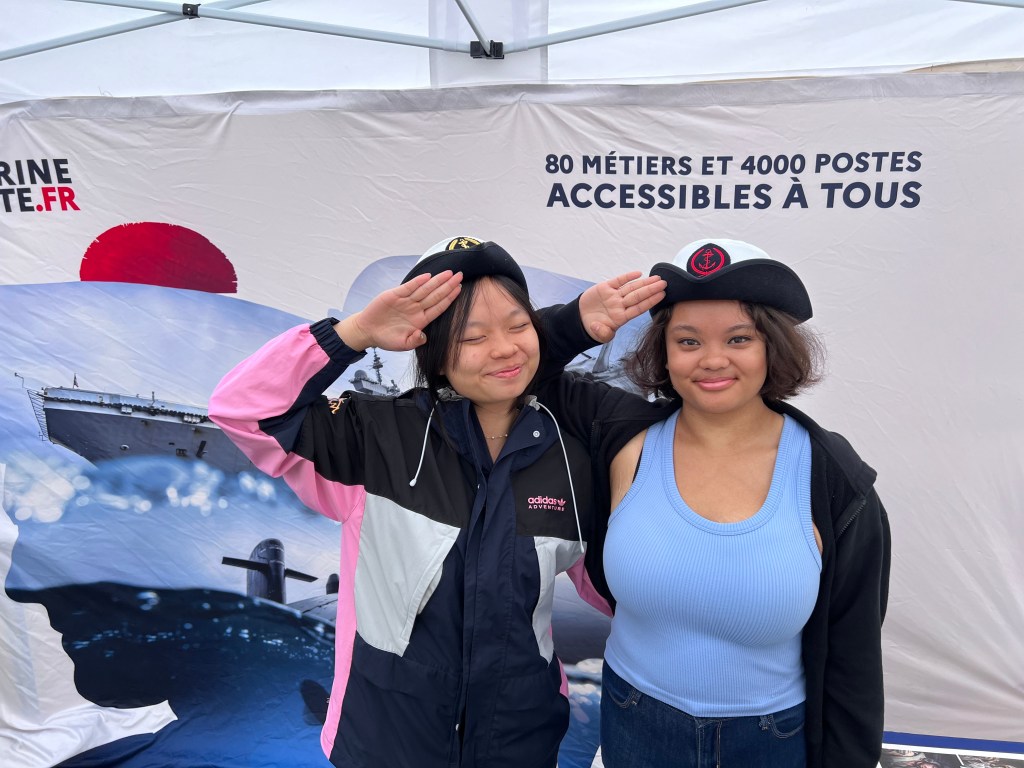
Lastly, we found ourselves in a navy booth! My eyes were drawn to the TV screen and the Augmented Reality Headset. It was an AR experience where you get to go into the augmented navy ship, experience flying on its helicopters, boating on the ferries, and exploring the ship. I could’ve sworn I felt the wind blow as the helicopter that I “was on” took off! It was a surreal experience and I loved every bit of it. While I was trying on the AR set, Syontoni had a chat with the navy officer manning the booth, and that was when we found out that he was Baptiste, a senior from SciencesPo Le Havre! He’s currently pursuing his Masters at SciencesPo in Paris, and he was back in Le Havre to reminisce about his parcours civique experience that took place in the navy.
In conclusion, we had an amazing afternoon exploring La Fête de la Mer and learning more about all of the maritime activities and cultures that the city of Le Havre has to offer. We hope you enjoyed our diary entries and for 1As that they might have convinced you to check it out next year! 

Bisous, 

Yu Xuan and Sy
On the Closure of Hoa Soung

Why the beloved Asian supermarket is closing and why that might not mean the end of quality Asian products for customers

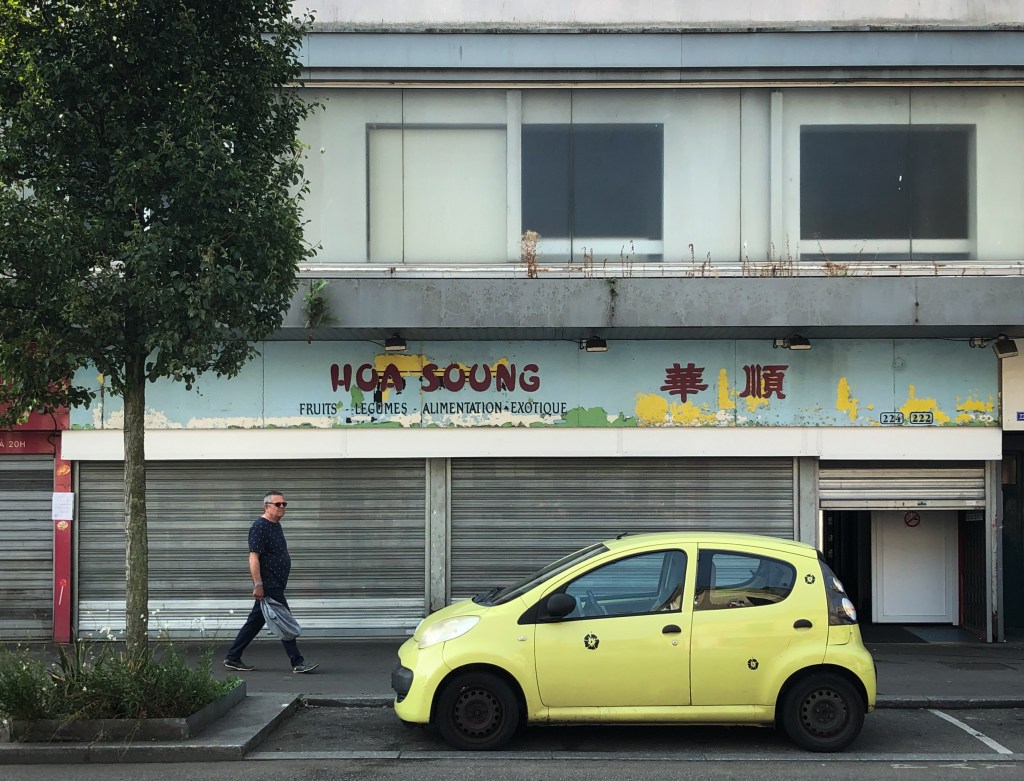
Above: a street view of Le Havre’s Hoa Soung supermarker

by Manon Patouillet, Rita Zeefal, and Syontoni Hattori-Chatterjee

6 September 2024

As the second-year cohort of Sciences Po’s Le Havre campus came back to its campus city to get a second helping of la vie havraise, many a food enthusiast was dismayed to find out that Hoa Soung, the community’s favourite Asian supermarket, was on the cusp of shutting down permanently. 

The news of the supermarket’s closure reached the campus community at large on the 19th of August. Much speculation about this seemingly sudden closure circulated in the few weeks that followed. The first version of the story that was told was that the roof of the store had fallen in and that its owners were being forced to sell out their last stock. Later, it was reported that the couple that had owned and managed the store since 1992 was simply retiring and leaving Le Havre. A team of reporters from Le Dragon Déchaîné visited the premises of Hoa Soung on the 1st of September to get to the heart of the matter and bring a halt to the rumour mill once and for all.

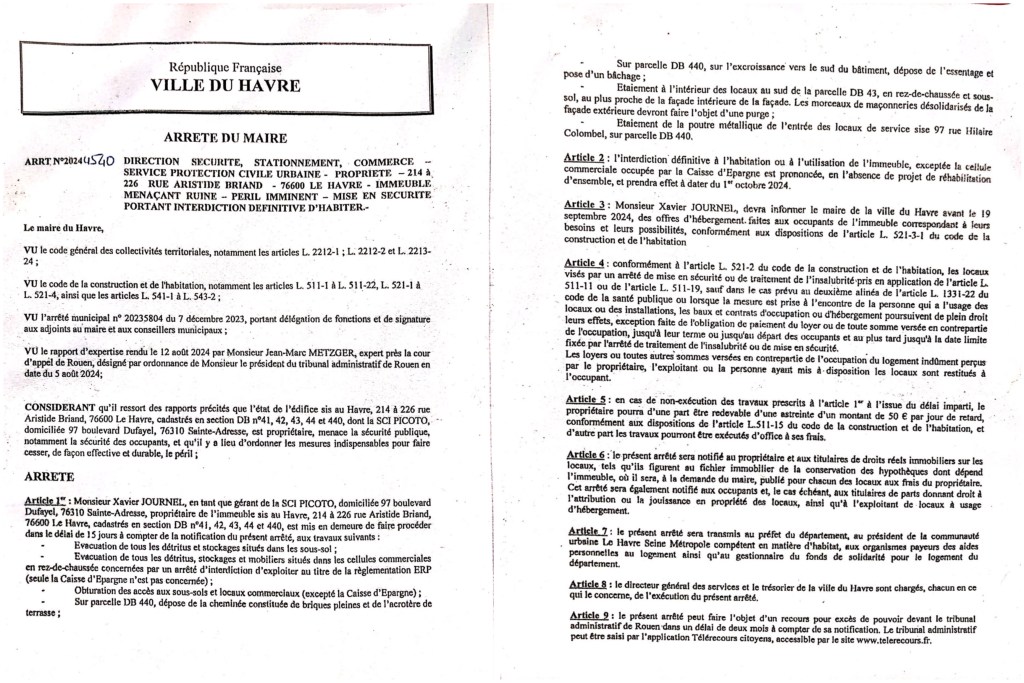
Above: a notice from the office of the mayor of Le Havre displayed outside Hoa Soung

On the 8th of July 2024 the owners of Hoa Soung, who wish to retain their anonymity, received a notice from the mayor’s office of Le Havre. This notice declared that the premises in which Hoa Soung’s owners carried out their activities were dilapidated and thus posed a threat to public security, given the fact that the structure of the building could cave in whilst customers were inside it. In light of these findings, the tenant and occupiers of properties 214 to 226 Rue Aristide Briand were to cease operations and evict the premises by the 1st of October 2024.

The notice, pasted a few doors away from the entrance of Hoa Soung for the public to behold, informs the reader that:

Mr. Jean-Marc METZGER, expert at the Rouen Court of Appeal, the expert report rendered on August 12, 2024 appointed by order of the President of the Administrative Court of Rouen dated August 5, 2024;

CONSIDERING that it appears from the aforementioned reports that the state of the building located in Le Havre, 214 to 226 rue Aristide Briand, 76600 Le Havre, registered in DB section n°41, 42, 43, 44 and 440, including SCI PICOTO , domiciled at 97 boulevard Dufayel, 76310 Sainte-Adresse, is the owner, threatens public safety, in particular the safety of the occupants, it is necessary to order the essential measures to put an effective and lasting end to the danger.

The definitive ban on habitation or use of the building, except for the commercial unit occupied by the Caisse d’Epargne, is pronounced, in the absence of an overall rehabilitation project, and will take effect from the date from October 1, 2024.

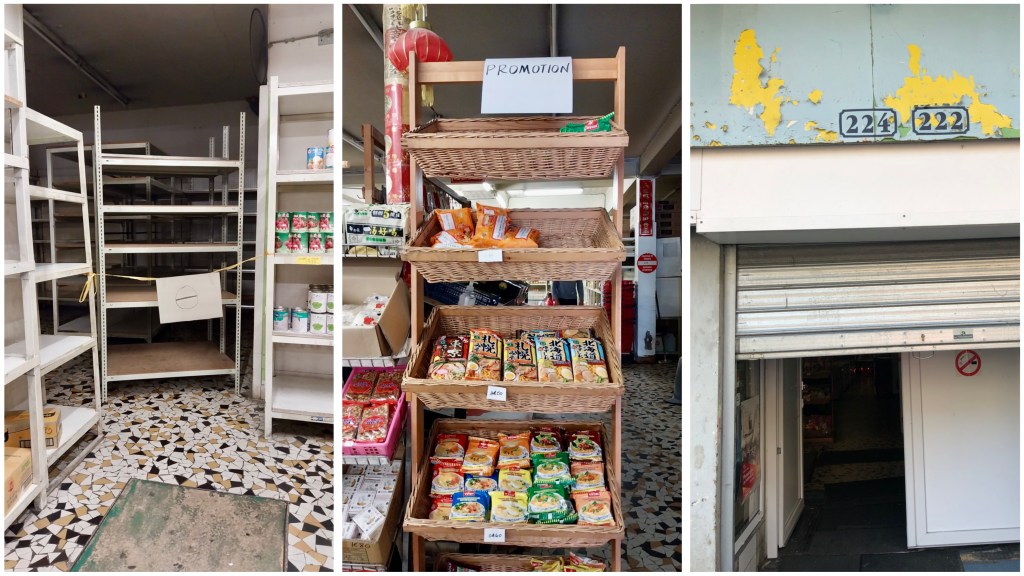
From left to right: empty shelves in Hoa Soung’s store rooms; products still for sale; the current entry to the supermarket that greets customers

The owners of Hoa Soung confirmed in an interview with Le Dragon Déchaîné that the building in which they operated was old, and that they were not in a position to remedy the structure themselves, and so had to leave Le Havre. Regarding their clientele: “We are receiving many more student customers now than before,” stated one of the store managers, “we receive many kinds of clients: Vietnamese, Thai – they change a lot […] Le Havre is better than Paris.” The supermarket’s management confirmed that it will close definitively on the 9th of September 2024.

Despite the loss to Le Havre that the closure of Hoa Soung represents, regulars at the supermarket will be pleased to know that the management of the Le Monde des Saveurs supermarket intends to acquire Hoa Soung’s suppliers and continue selling the bulk of the products that have been sold by Hoa Soung up until the present. Members of staff at Le Monde des Saveurs confirmed in an interview with Le Dragon Déchaîné that the enterprise would continue the services previously offered by Hoa Soung. “We are taking over everything – on reprend tout.”

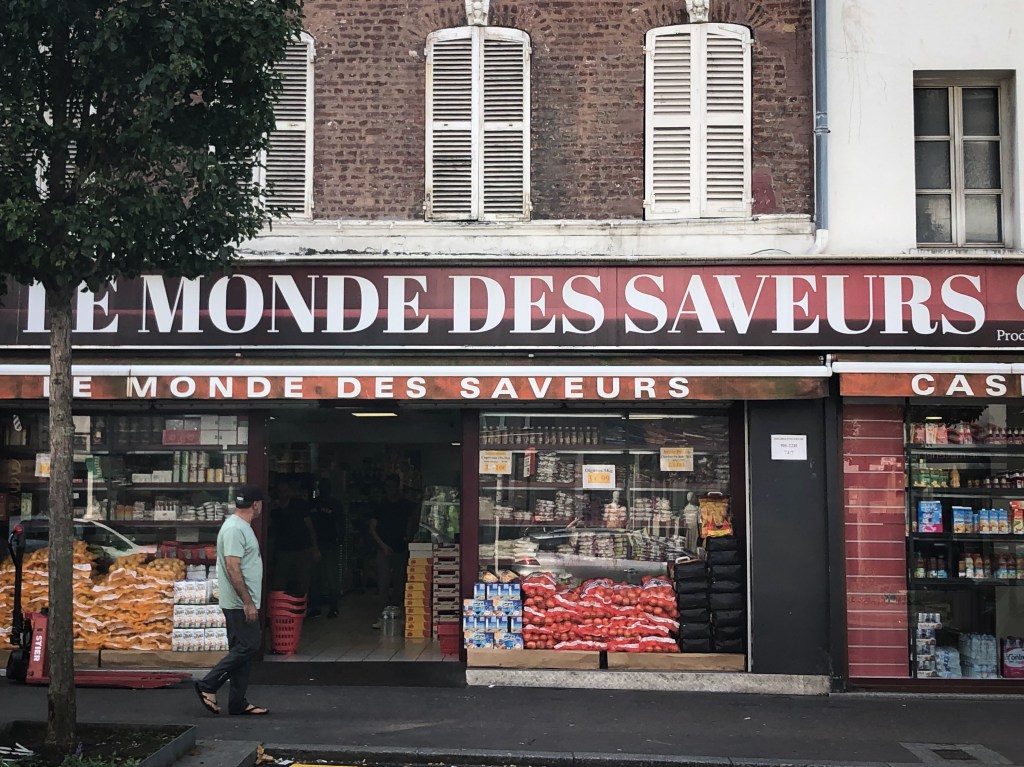
Above: a street view of the Le Monde des Saveurs supermarket

A Seagull’s Day in Le Havre

When I wake up, the sun is still hidden behind the buildings of the city, but the sky slowly turns to a pinkish hue as it lights up. It’s cold, but I’m protected from the harsh gusts of wind of the grey sea. It’s a rainy day. It feels like every Monday is a rainy day. But it won’t last, it never does here, as the wind pushes the heavy grey clouds away inland, and brings in a fresh blue sky. That’s Le Havre for you. Everyday there’s sun, every day there’s rain, but it never lasts for long. I heard in the tropics, far South, wet and dry weather alternate every six months. Here in Le Havre, rain and sun alternate every day, so the city is always wet. I like wet. I’m born to live out at sea, to have droplets of water caress my white and grey feathers, to have the marine air fill my beak. My ancestors fed on fish, but myself, I prefer feasting on a half-eaten kebab I find in a rubbish bin, or better, a full Burger King meal stolen from a group of young humans. I like staying around young adult humans, they always leave stuff behind: raw chicken breasts, kinder bueno wrappers, empty coffee cups, lots and lots of them. It’s funny how they scurry around that large blocky grey building. They arrive there every morning, and stay until the sun has set. I always follow them; they seem like funny little characters. 

When I arrive at the building, around 8 o’clock, some of the humans are already there. I say humans, but they’re not all fully grown. I know some are still finding out who they really are, just like I am. I can relate to them. My seagull friends are there too. Right in time for breakfast! A few coffee cups lay at the bottom of the rubbish bin, I pick them out with my shiny yellow beak. I always need a coffee to start the day, otherwise I can’t concentrate. I want to learn more about the humans, about why a flock of so many different ones stick together in this sad coastal city. They’re like a weird family, sometimes friendly, sometimes fighting, but always together. 

After breakfast, I peek around the windows on the right of the building. There, an older human is telling the others about stuff. I cannot comprehend everything; it seems jumbled up. One class is about the Silk Roads, a large route of trade and cultural exchanges, spanning half of the globe. I wish I could visit all these places that the wiser human is talking about. It seems beautiful out there in the world. Other times, it’s a different older human talking about a different thing. They talk about how groups of human’s rule over other groups of humans, and the rules around this governing. They  explain why and how groups of humans interact between themselves. It’s a peculiar sight to see all these young humans learning about things from their own world. But alas, I, humble seagull, am unable to fully comprehend the complexities of human society. Who could, really? 

When lunchtime arrives, I stand in front of the building and wait for a human or two to come back holding food in their hands. They rarely feed us. They don’t really like us, actually. Some say we’re scary, that we may hide secrets or govern the world. Hilarious, really, when you observe what humans do to our homes. Some don’t like us because we feed on rubbish. But we simply finish what they have left off. Some just don’t care about us. Why should they, they’ve already got so much on their minds. In any case, there’s always a sandwich or two left in the rubbish. We fight over it with my fellow seagulls, it’s food enough, but the best parts are highly convoluted. The humans watch us fight sometimes. They point at us, they laugh. But when lunch is over, they all return back in for a next round of classes. Sometimes, some leave early, their day probably finished, but most stay late at night in a strange two-levelled room. Often, the central hall is decorated, and the humans stay there, talking, and sometimes, not a sound is made in the whole building. 

In the afternoon, I fly up to the green rooftop to observe the humans working in small groups. They look different up there, more attainable. Most of the time, when I peek in the rooms, there are only a handful of humans, typing on computers, shouting at each other, or repeating what another older human is telling them, in sounds that I do not comprehend. I watch as my seagull friends fight or have sex on the rooftop, and how the humans look at them, fascinated, disgusted, or laughing. How peculiar is it that I could be observing the humans observing my own species. Maybe they are like me, perplexed at the way of life of other species, wondering to what extent we resemble each other, or not. Some days I fly to the other side of the building. There, they also work in small groups often with an older human looking over them. It seems like they talk about the same topics as in the big hall, only more confused, and noisy. How strange they are, with their computers, and phones, watching a screen display. Doesn’t the life of a seagull seem more attractive? Just chilling and feeding all day, hanging out with friends. It sure seems more appealing to me than being locked up in a room in a sad grey building all day to learn seemingly useless mountains of information I have trouble seeing the usefulness of. But they are humans. Humans are weird. 

Over the seasons, I’ve noticed a pattern. Every 2 cycles of seasons, half of the group of humans leave and a new flock arrives. I don’t know where they go or where they come from. From what I could gather, they all go their own way, to places far away. Some never come back, and some do, but I never see them again. One day, maybe I’ll understand, but for now, I’ll continue to wonder why a small group of humans choose to stay together for two season cycles only to split at the end. It’ll remain a mystery. 

As night starts to fall, I peek through the blinds of the book-room where only a few humans remain. All concentrated on their computers, some with empty coffee cups lying next to them, face between their hands, hand on their foreheads. They seem tired. They seem overwhelmed. I’d love to help them, but how could I? I’m just a simple seagull. What do I know of human society? I do wonder if the humans themselves know, or if they are as perplexed as I am. But for now, I simply wait for the few humans dressed in black to push the young humans out at nine o’clock. I’m just a seagull, sure, but I’ve witnessed those humans work all day, climb up to the fourth floor worried or annoyed, to speak with older humans. I’ve seen them sing, dance, and act together. I’ve seen them cry and laugh, shout and whisper. I’ve gotten to know them, and one day they’ll leave, and I’ll never see them again. Never. I hope one day it’ll be my turn to see the world, to follow the humans to the ends of the Earth. Maybe that day, I’ll finally understand what human society is all about.

Read more: A Seagull’s Day in Le Havre

Romain YBORRA, 3a is nostalgic and shares here his fond memories of LH and the campus by putting himself in the shoes of the seagull.

A Changing City

“A city isn’t so unlike a person. They both have the marks to show they have many stories to tell. They see many faces. They tear things down and make new again.” -Rasmenia Massoud-

This being the first article of what will hopefully be a monthly column, I want to start by explaining why I am writing and what I want to achieve by doing so. Being new in Le Havre is the one common experience shared by all students here but one. That being so, I thought it would be interesting to gain a better understanding of the city. However drab its sky may be, however crumbled its houses’ facades are, there still are little treasures to be discovered and cherished. I believe that by understanding our surroundings more, we are able to look at them in a new light and perhaps even recognise some beauty in the ordinary.

The goal of this introductory article is not to provide an in-depth presentation of everything shaping Le Havre’s identity as that would require several books. Its objective, rather, is to “paint” a superficial portrait of the city, hopefully providing interesting insight into the life of its communities and the conditions in which they live. As it goes on, this column will explore much more specific aspects of life in Le Havre by interviewing people, studying particular places in the city, such as neighbourhoods, landmarks, local institutions, and their significance to the city and its inhabitants, and more. You can think of this column as a figurative treasure hunt, with me looking for the city’s gems. Before we embark on this journey, I believe it to be necessary to take a step back and look at the city as a whole, its history and how it is faring today.

Le Havre was officially founded on the 8th of October 1517 by King François I. It was established as a military port, as a place for adventurers to depart from. One notable example of an explorer would be Giovanni da Verrazano, who left from the port in 1524 to go on to be the first European to land in New York. In the 18th century, the city shifted from being a military port to a significant commercial hub, trading colonial goods and participating in the triangular trade, with over 100,000 slaves being shipped through Le Havre. Interestingly, this detail is very much downplayed in the city’s official account of its history, only mentioning the triangular trade once and calling its role “marginal”, completely omitting slavery. During the Industrial Revolution, Le Havre experienced an economic Golden Age, fuelled by the trade in colonial goods such as cotton, coffee, and chocolate. At this time the city’s stock exchange was the second biggest in world, rivalled only by that of New York. The Second World War brought ruin, as allied bombings destroyed large parts of the city with around 20,000 houses razed to the ground. Le Havre was rebuilt after the war but failed to attain its former industrial glory. From 1956 to 1995 the city was under left-wing (Parti Communiste Français) administration, since then it has shifted to the right, with Édouard Phillipe (Horizons) being its current mayor. This shift from a social democrat to a neoliberal political regime has had striking consequences, as I will elaborate further below.

To get an idea of the wellbeing of the city, or rather that of its people, we can look at Le Havre from a statistical perspective, using data from the National Institute of Statistics and Economic Studies (INSEE). The most striking information revealed in its “dossier complet” of the commune is an unemployment rate of 20.8% in 2020, versus only 8.6% in all of metropolitan France at the same time. Some tentative explanations for this extraordinarily high rate are offered by Anita Menendez, head of CGT Le Havre (France’s biggest labour union), and Emilie Roland-Parzysz, director of the O2 agency (elderly care). According to them, this high unemployment is to be blamed on a lack of professional training accompanied by the city’s industrial specialisation, on refining and petrochemicals for example. This combination leads to limited professional opportunities and increased economic precarity.

Le Havre is a city in transit. Inspired by Bilbao and Liverpool, a neoliberal reimagination of the Havrais cityscape took place in the 1990s and is currently still being implemented. According to Antonin Girondin, PhD at Caen-Normandy University, there is no more blatant example of this than what used to be called the “Quartier de l’Eure”, now known as “St. Nicolas”. This area in the south of Le Havre, right next to the SciencesPo campus used to be an archetypical working-class neighbourhood, housing the dockers and other port-affiliated workers. In the mid to late 2000s, this area got caught in the crosshairs of the combined interests of real estate investors and the city’s now neoliberal administration. Here Le Havre’s shift in political orientation becomes relevant, as the city is opened up for private investment and speculation, reflecting the paradoxical relationship between the neoliberal condemnation of the state and its simultaneous reliance on the state’s monopoly of violence. What I mean by that, is the private sector’s rejection of public regulation (profits, pollution, etc.) on the one hand, and a reliance on public policy, finance, and force, if necessary, to lay the foundation for investment. In very typical fashion, public funds were used to renovate and transform the “Docks Vauban” into a shopping mall. The way was thus paved for private investors to start building residential housing in the former workers’ neighbourhood. This connection between the public and the private sphere is very explicit, as is shown by extracts of an interview with a key member of the city hall: “We therefore conducted a discussion with the developers on the feasibility of good quality housing programs. The latter wished for (in addition to the repair of the streets already started several years ago) the construction of a new footbridge above the Paul Vatine basin as an extension of rue Bellot and the creation of quality public spaces as well as the fact to provide a view of the pools for the new apartments.” (translated from French). These programs did not take long to show results, the buildings constructed between 2007 and 2010 were between 1.5 and 2 times more expensive than the average real estate in Le Havre. This increase in the price of housing immediately reflected itself on the social fabric of the neighbourhood. Between 2010 and 2016 the proportion of workers dropped from 44% to just 27%, while the proportion of people with white collar jobs nearly tripled.A screenshot of a graph

Description automatically generated

Figure 1: Evolution of the professional composition of St. Nicolas

Girondin makes it clear that this is a clear instance of “new build gentrification”. This concept developed by Mark Davidson and Loretta Lees in 2005 describes a kind of gentrification characterised by the erasure of working-class social markers and the “quasi-systematic” destruction of industrial and working-class architecture to make place for higher-end residential buildings. The old architecture’s remnants are destined for commercial use, with the example of the Caillard shipyards, a 70s and 80s landmark of worker’s struggle, being transformed into a supermarket. There is an underlying violence to this process, an entire class witnesses the destruction of its symbols and its living space while speculators are already drawing the plans for what they are to be replaced by.

While the workers are being driven away from their neighbourhoods, the city has another problem: it is shrinking. Since 1975 Le Havre has lost seven percent of its population. The concept of the “shrinking city” is not a new one and is often used to describe what happened to post-Soviet cities in eastern Europe after what economists fittingly call economic shock therapy. Indeed, we can draw a parallel between Le Havre, also known as Stalingrad-sur-Mer, and post-Soviet cities such as Budapest, Bucharest, or Tallinn. Both the late Eastern Bloc and Le Havre in the 80s were in economically precarious situations, albeit for different reasons. In each case the incumbent left-wing administration was replaced by a right-wing one. In both cases, the new administration made it their raison d’être to dismantle what their predecessors had built, concretely this meant using public authority to privatise public infrastructure, an unconditional opening of the public realm to capital. After this forced opening, conditions in the post-Soviet states and in Le Havre deteriorated massively, with millions of excess deaths in Russia and a constantly worsening urban exodus in Le Havre.

What we see in Le Havre then, is a city under attack. We see the consequences of deindustrialisation and its effects on the people it formerly benefitted. Most importantly, we witness a transformation of the city’s soul, from a working-class bastion into a shadow of its former self, ravaged by the liberalisation of the real estate market and demographic decline. What makes this city special are, in my opinion, its people. Be it the student community in SciencesPo or the Havrais people in general, they make the life here worthwhile. Its diverse communities create a unique and enriching environment, its cafés, boulangeries, and restaurants are places for discussion and diversion, and its cinemas provide a so often needed refuge from our daily routines. We have much to look forward to here, even during the rainy days, which will probably be most of them.

“But cities aren’t like people; they live on and on, even though their reason for being where they are has gone downriver and out to sea.”  -John Updike-

Read more: A Changing City

Lino BATTIN 1AS is starting his own columm about the LH life and its people.