Grow Your Sustainable Roots in LH

by Sylvain Sainte-Marie and Benjamin Henderson

Given that Le Havre is a crucial hub for environmental decisions and a victim of environmental changes it is the perfect place for a grass-roots environmental movement (see The Environmental Story of Le Havre). This article will talk about some of the many projects that have taken root in and around Le Havre, as well as the protected lands that you can visit during your time here.

Hangar Zéro

Location: 37 quai de la Saône (close to campus) 

Hangar Zero, HZ for short, is probably the most well-known ecological association in Le Havre. A warehouse destined for destruction in 2015, no one would have guessed that merely 10 years later it would have totally transformed into an oasis for sustainable projects. When it was purchased by an ambitious local group of eco-enthusiasts in 2015 they set out to provide a radical vision for the future. HZ was strictly opposed to the “Paris axe Seine” development project which, most notably, strengthened shipping routes from Le Havre to the French capital; a project which demanded the use of many non-renewable resources, such as for a port expansion. Hangar Zero embodies an alternative to this industrial expansion. 

Instead of destroying and replacing infrastructure to pursue “development” HZ affirms the possibility of eco-alternatives to building, both physical structures and communities. It is constructed from a majority of reused building materials. The architects working at HZ are exemplary of a new movement in architecture towards rejuvenation through reuse. It is open to the public and deeply integrated in the neighbourhood. Its governance embodies a horizontal philosophy, as such is a collaborative non-profit enterprise (SCIC) and association (LH-0). It is the perfect place to debate environmental topics, enjoy a meal and drink, and get involved in volunteering.

How to get involved: 

There are a plethora of events and volunteer opportunities at Hangar Zero:

  1. It can be a place for recreation.
    1. Hangar zero has a small store with eco-friendly cosmetics, local art, and home goods. 
    2. A rotating menu of locally sourced foods and drinks offers the perfect place to meet with friends for a meal. 
    3. Additionally, conferences, movie screenings, and debates are regularly held throughout the week. 
    4. If you’re feeling inspired, you can take the initiative to organize your own events. 

Unfortunately, HZ can be harder for non-French speakers to access. But it is always possible to do English events catered towards the Sciences Po population. People are very kind and will tolerate any level of French! They’re just happy you’re there.

  1. HZ is looking for volunteers every Thursday!
    1. They are interested in people to help with further construction projects. This entails working with reused materials to renovate and expand parts of the physical structure.
    2. Those interested can also help manage the bar and, or cinema-debate club. 

Who to contact:  contact@lehangarzero.fr

Havre de vers 

Location: 13 rue de Tourville (close to Pôle Simone Veil)

This small association combats the arbitrary wasting of food. They collect items that super markets would no longer sell, sort through the edible material (composting what is not) , and cook meals that are affordable and healthy. 

 The group at Havre de Vers is incredibly warm and welcoming. It is a laid back atmosphere which nourishes one’s body as well as social needs. One can learn very useful cooking skills by helping out, and especially best practices for avoiding food waste. It is a very human and warm group, where you can have a chill time, share a meal, make friends and learn useful cooking skills.  

Ecologie pour le Havre

Location: 12 Rue Horace Vernet, 76620, Le Havre

Ecologie pour le Havre is the main ecological advocacy group in LH. Since LH is an important industrial hub, they do their best to monitor this activity and function as a check on companies that don’t comply with environmental regulations. While their focus is environmental, they acknowledge the economic and social aspects of climate change, and are committed to centralizing marginalized groups in their activities. 

They are in contact with the local government and lobby for environmental progress. They have filled many lawsuits against companies that dumped waste into the water or engaged in air pollution. As an association they have a scientific and pragmatic approach to the furtherance of ecological ends.  

What to do:

  • Help with lobbying efforts
  • Research the environmental effects of Le Havre industry and development
  • Organize protests and education campaigns.

Who to contact: 

Instagram works @ecologiepourlehavre

Clos Val Soleil

Location: 12, rue Horace Vernet, 76620, Le Havre

General description: Clos Val Soleil was founded in 2022 to preserve and reinvigorate an 18th century manor and its grounds. The area is large, taking up 6,900 m2 (about 1.7 acres) in the Sanvic neighbourhood of Le Havre. Their objective was two-fold, to use the historic house for affordable housing, rather than tear it down and rebuild something in its place, and to maintain the biodiversity and beauty of the vast grounds. 

They reached an agreement with Logeo Seine, an affordable housing network, to refurbish the house—converting it into 12 units. The renovations were set to start at the beginning of 2025. Meanwhile, Clos Val Soleil has managed the community life aspect of the project. Their organization offers opportunities to get involved with the conservation of their lands, and workshops are dedicated to environmentally friendly practices like repair shops and eco-gift making.

What to do: 

  • Creative workshops (gift-making, furniture repair, etc.)
  • Fix your bike (Wednesday 14h to 16h) Text 06 09 74 98 74 to book a reservation
  • Chat with people (Café Papotage)—Wed 14h-16h & Sat 10h-12h).
  • Take care of the Garden—Tuesday and Thursday 14h-17h30
  • Other events

Who to contact: 

Email: asso.closvalsoleil@mailo.fr 

Facebook: @Clos Val Soleil 

Graine en main

Location:

General description: 

Graine en Main provides organic vegetables to subscribers of their service, a variety of grocery stores, and markets. Their association started in 2016 when a six-hectare organic farm was put up for sale. Community members came together, raising 120000€ for a loan to buy the property. From there the association has grown into one of the largest local and organic providers of produce in the area. Their goal is to provide everyone with organic produce regardless of their financial situation. 

They provide food for AMAP’s where local consumers, farmers, and artisans bring their goods together at a fixed price. Everything that is produced is divided into baskets and distributed to the consumers. The prices are such that the consumer gets a good deal on high quality goods, and the providers are guaranteed an income.

What to do: 

  • Go to their market every Friday from 8h30 to 12h30 at 1 Avenue René Coty.
  • Pick up the weekly veggie basket from Sciences Po!

Maison de l’estuaire

General description: 

An estuary is the transitional area between a river and the ocean, in the case of Le Havre, where the Seine and English Channel meet. Estuaries are particularly important as locations of biodiversity. As an example of “ecotone,” the transitional area between two plant communities, and a place where freshwater and saline water meet, estuaries are particularly productive ecosystems. Further, wetlands are among the most endangered places on the planet and are home to an immense diversity of species. Migratory birds spend lots of time in Le Havre’s estuary and can be spotted from the Observatoires de l’Estuaire

The Maison de L’estuaire was founded to mediate discussions between stakeholders in Le Havre’s estuary. It served a crucial role in 1995 when the Port 2000 project was being decided, the result of which aimed at balancing economic development and environmental preservation. While there are still tensions between the two camps, there have been clear victories for both. In December 1997 the Nature Reserve of the Seine Estuary was created and ever since the land has been preserved and reinvigorated. It is a wonderful place to go for a hike and observe the changing seasons. Last year we went on a hike and some pictures of it are attached to this article.

What to do: 

  • Go hiking
  • View the migratory birds

A Guide to Coffee in LH

by Nayantara Maitra Chakravarty

All images credited to the author unless otherwise stated.

Somewhere between cramming the day before a PI final, submitting an historical review at 4:00 a.m., and trying to prevent a civil war within one’s sociology poster group two minutes before the library closes, the blood flowing through a SciencesPiste’s veins gets slowly replaced with caffeine. In fact, I am writing this article with copious amounts of caffeine already in my system. But no amount of coffee is too much, right? I have therefore taken it upon myself to uncover the best places in Le Havre (in no particular order) to study and get your daily coffee fix (and perhaps a sweet treat – you always deserve a sweet treat). 

  1. French Coffee Shop;

    Address: 5 Rue Albert André Huet

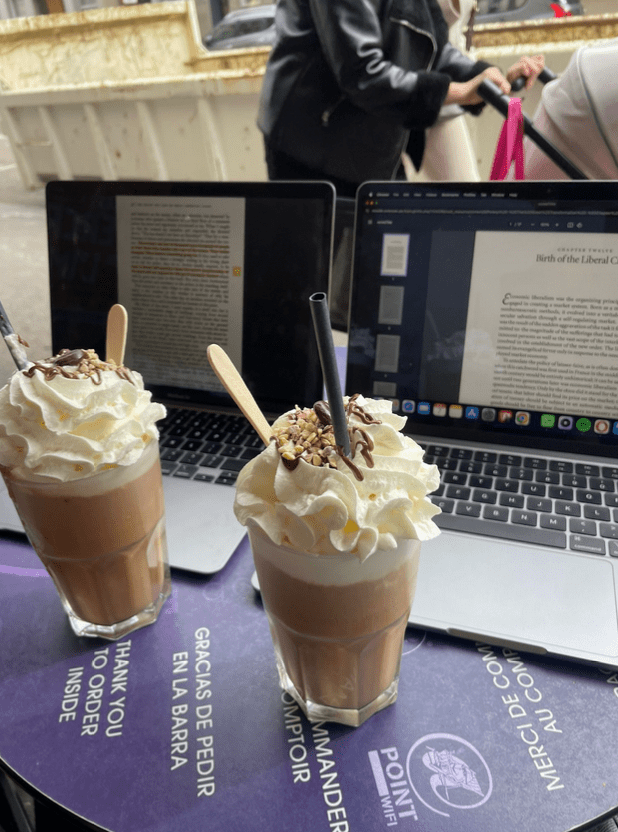
    I would like to use this platform to make a public apology to all my friends who probably just let out a collective sigh after reading the name of the first cafe on this list. I have not shut up about French Coffee Shop since I got here, and I will continue to drag everyone I know there. I know that a place called ‘French Coffee Shop’ sounds like a tourist trap barely disguising the fact that it is, well, a tourist trap – but it is, and will always be, my favourite place to haunt. It was a sip of their Frio Tella Cafe on my first day in Le Havre that made me see our sleepy, grey town in colour. I’ll be honest, it probably isn’t the best place to get a caffeine kick, but if you’re looking for diabetes in a cup – coffee, nutella, whipped cream, and more nutella – French Coffee Shop is the perfect cafe for you. And if you go there, please tell them to hire me.

    2. Cafe Noisette:

      Address: 40 Rue Maréchal Gallieni

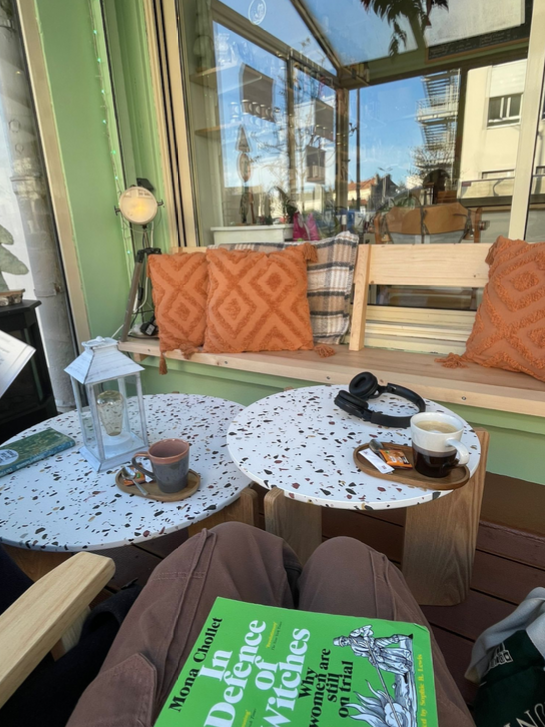
      Right next to Coty mall, Cafe Noisette is a lovely place to study (or procrastinate studying) with your friends. The iced latte I had was a bit milky (even for a latte), but the vibe more than makes up for it. Its large tables and sofas make it a comfortable place for long study sessions, with bookshelves, papers, and pencils for you to use during your breaks. 

      3. La Petite Librairie

        Address: 27 Rue Lesueur

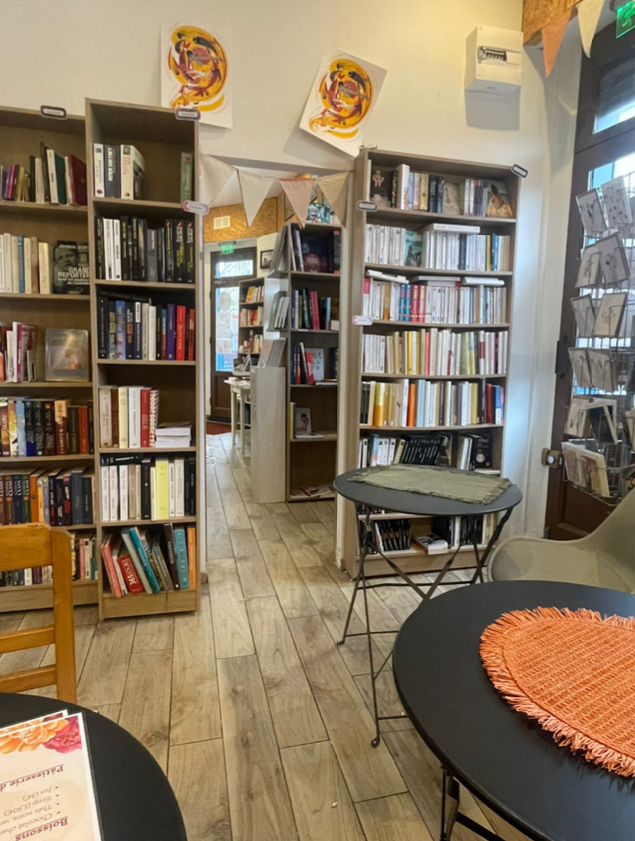
        Not too far from the gare is La Petite Libraire,  a cozy book shop and salon de thé that also serves coffee. Although they only sell books in French, the quiet ambience is perfect for a study session or a reading date with your friends (or with yourself!). The shop is filled with a combination of my two favourite smells – coffee and books. If your French is strong enough, you can choose one of the surprise books prettily wrapped in brown paper (I must work hard to advance from A1 French so that I can do this too).

        4. Columbus Cafe:

          Address: 70 Quai Frissard

          Columbus Cafe in Docks Vauban’s proximity to campus is extremely convenient if you want a quick to-go drink… unfortunately, the coffee is overpriced and rather disappointing. The espresso allongé was too watery, the latte tastes like lightly-coffee-flavoured milk, and I’m not certain that the hot chocolate has any chocolate in it. The only drink that I would recommend is the caramel cold brew latte. However, if you’re not too picky about your coffee, the location of this coffee shop is a plus point, since it’s only a few minutes away from campus. I probably wouldn’t take a detour to go there, but I wouldn’t mind stopping by on my way back from buying groceries at Lidl. 

          5. Axés:

            Address: 3 All. Aimé Césaire

            Most SciencesPistes already know about this popular coworking space, but I will still take a moment to appreciate it. I have spent entire days at Axes from the moment it opens to the time it closes to study for mid-terms or finish assignments. The furious click-clacking of laptop keys and hushed arguing on work calls creates a light background noise that doesn’t take your focus away from your history readings, and the plug points, free WiFi and printers make it a perfect study space. And even though it seems like it can’t get any better, the coffee is great and well-priced. 

            6. Les Yeux d’Elsa

              Address: 115 Cr de la République

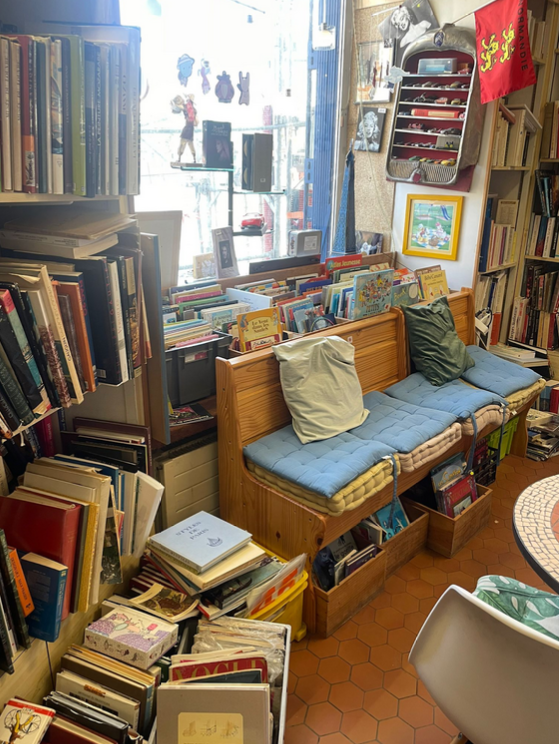
              If you walk past Les Yeux d’Elsa, you’ll first stop to look at the books outside (with prices as low as 1 euro), and after you catch a glimpse of the interior through the windows, I don’t think you’ll be able to resist going in. Cluttered with books, vinyls, CDs, comics, and trinkets, this café littéraire is ideal for people who enjoy being pretentious (like me). The owner of the shop makes your coffee right at the cash register while he chats to you about upcoming poetry or music events. It’s the sort of place where I’d like to sit and scribble espresso-fueled musings on paper until my fingers are stained with pen ink, taking occasional breaks to browse jazz classics. The second-hand copy of Marx and Engels’ ‘German Ideology’ that I bought from here is still waiting patiently on my shelf until I know enough French to read it (I’m trying, I promise). 

              7. Quai des Délices:

                Address: 57 Rue Marceau

                It’s rare to find a nice place on our side of the bridge, so Quai des Délices was a pleasant surprise. Not too far from campus, this family-run café opened quite recently, so it doesn’t have many visitors yet. I spent a lovely wintry morning reading amidst the café’s cozy Christmas decorations, with a warm cup of good coffee and one of the most delicious slices of fondant au chocolat I have ever tasted (it was also the only slice of fondant au chocolat I have ever tasted, so maybe I am not the best judge, but you can trust me on the coffee).

                8. AN Viet:

                  Address: 134 Cr de la République

                  I don’t mean to brag, but AN Viet, also known as Bon Bon Cha or Viet Exotique, follows me on Instagram (I absolutely meant to brag). Although they are a bubble tea store, their Café Tiramisu is worth dying for, and you can adjust the sweetness according to your liking. If you like boba and coffee, you definitely need to go here as a post-final treat. The ambience is quiet and comfortable, with funny posters and boba plushies to look at in between sips of your Café Tiramisu (50% glaçon, 50%, sucre). 

                  Of course, I have many more coffee spots in LH to discover – but until then, these are some of my favourite places to go when I need to take a break from vending machine coffee, or, in the wise words of Sandro Graf, “do a cozy.”

                  Discover Le Havre’s nightlife: The St. Michel Fair is Here!

                  Claude Leroy-Pinto

                  All images credited to the author unless otherwise stated.

                  It has been almost a month since the school year began, and by now, you have likely gotten past your first impressions of Le Havre and uncovered some of its hidden charm. You’ve probably already hit the tourist hotspots: the MuMa, the Église Saint-Joseph, Perret’s Show Apartment, the famous “Volcano” (spoiler alert: no lava), and who knows, maybe you found some fun nightclubs and bars. If not, if you think that finding exciting nightlife in Le Havre happens when pigs fly, just when you thought you had seen it all, here is a little surprise: the St. Michel Festival Fair is in full swing starting September 21!

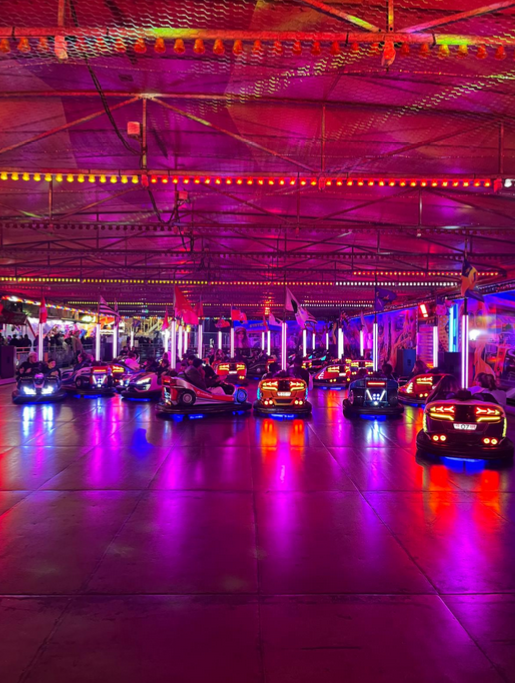
                  Since last Saturday, the area behind the University, near Le Havre station, has been buzzing with life. Rides are spinning, music is playing, and the traditional “fête foraine” (funfair) is open daily until October 13, from 2 PM to 11 PM, with extended hours on Fridays and Saturdays.

                  Now a quick dive into the festival’s history. This funfair actually aligns with Le Havre’s Heritage Weekend—what better time to learn about the city’s rich past? The origins of this event can be traced back to a charter from King François I in 1535, which established two free trade fairs in Le Havre. Although these early fairs were more like bustling outdoor markets, they laid the groundwork for the exciting festival we know today.

                  In 1792, plans for a proper Saint-Michel fairground were developed in Ingouville, near Le Havre. By the following year, the fair was set up in the courtyard of the former Penitents’ convent. Throughout the 19th century, improvements in transportation brought visitors from all over Normandy to this annual event, featuring stalls selling everything from jewelry to toys. Alongside the merchants, entertainers such as acrobats, circus performers, and theater troupes dazzled the crowds. 

                  If some of you don’t have a similar carnival tradition in your home country, you need to know that it is a very special world. It is a very closed circle and traditionally a know-how that has been passed down from generation to generation. The fairground profession is particularly difficult, as they are highly dependent on tourism and weather conditions and don’t work on a  regular schedule. The fairground workers I spoke to talked about the financial difficulties they were facing. Indeed, they have to take on accountants without whom they cannot manage, as well as looking after their own attractions.

                  At the fair, you will find a bit of everything, from cotton candy vendors to haunted houses (make sure to have some brave friends to lead the way!) and even rides that launch you 70 meters into the air, spinning your head in all directions (be careful, we have seen shoes flying). But don’t worry, even if all this sounds really frightening, nothing here comes close to Stephen King’s Joyland.

                  With midterms approaching, you are likely swamped with studying, but don’t forget to unwind! What better way to take a break than a visit to the fair, hopping on some thrilling rides, and taking your mind off exams?

                  Pro tip: apparently you can benefit from some reduced prices on rides and attractions on October 2 and 12. Don’t miss out!

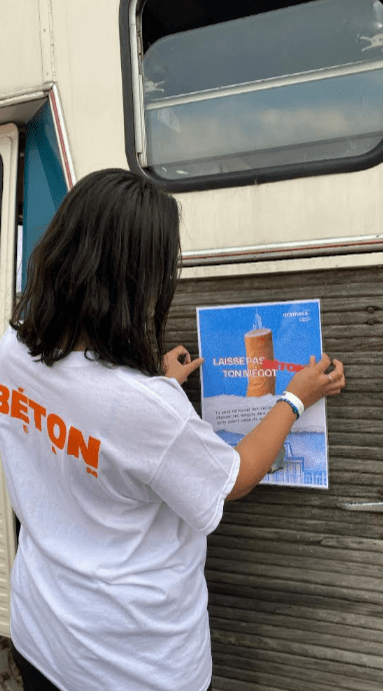
                  ‘Laisse pas Béton ton mégot!’ : L’histoire d’un festival Havrais

                  par Noa Belarbi Nobumoto

                  All images credited to the author unless otherwise stated.

                  Il était une fois dans la petite ville du Havre, un festival emblématique: Le Béton. Installé sous la Catène, et mettant à l’honneur l’unique histoire de l’architecture havraise tout en musique, le festival annuel marque un des temps forts de la rentrée pour beaucoup d’Havrais.

                  Cependant, considérant que cette gemme reste encore bien trop inconnue auprès de nos camarades de Sciences Po, mes chers compatriotes, Lena, Manon et moi, sommes allées y passer le weekend afin de vous faire découvrir le festival à travers notre expérience. Ainsi, je vous conterais les formidables aventures de l’Apéroloc au Festival Béton !  

                  Tout a commencé cet été, un nombre incalculable de publicités sur nos “feeds” Instagram concernant le fameux festival, quelques messages échangés puis une réalisation: le prix des places était quelque peu onéreux et nous dissuade de nous y rendre.

                  Plusieurs mois passent et voilà que Léna et Manon m’informent qu’elles sont inscrites en tant que bénévoles au festival, et m’expliquent qu’elles pourraient bénéficier d’une entrée gratuite les deux soirs, en échange de quelques heures de travail. Je me suis donc hâtée de remplir le formulaire moi aussi, indiquant ma motivation, mes préférences et mes disponibilités et quelques jours plus tard, nous étions officiellement des bénévoles au festival Béton!

                  Vendredi 20 septembre:

                  N’ayant aucun shift le premier jour, nous décidons de profiter de notre privilège afin de nous rendre au festival gratuitement et de profiter de l’expérience visiteur. Une fois sur place, quelle ne fut pas notre surprise de voir cet endroit, que nous pensions si bien connaître, complètement métamorphosé, équipé de deux scènes, d’un coin food-trucks, de deux bars et d’une série de stands: nous ne nous croyons même plus être au Havre, en tout cas pas celui que nous avions connu jusque là.

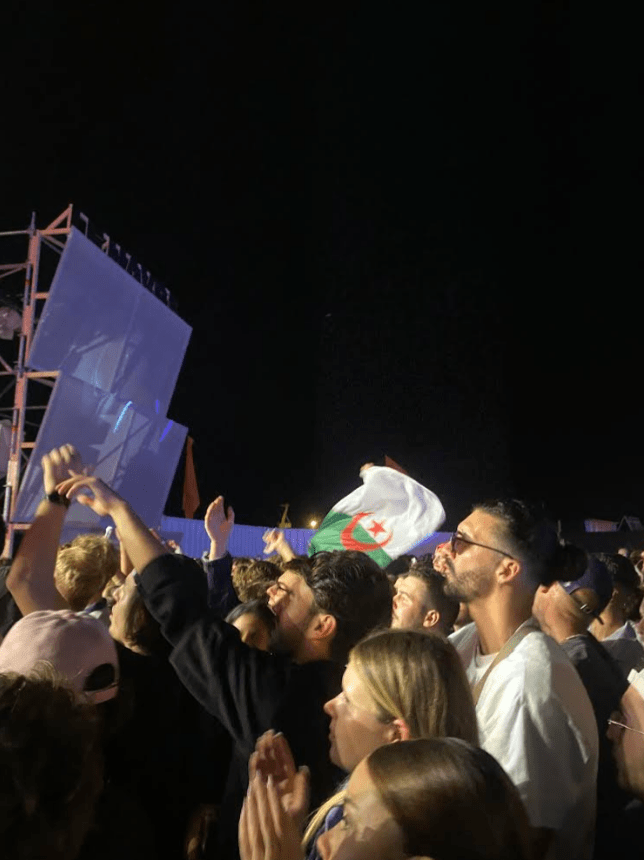
                  Pourtant, le reste de la soirée nous réserva encore plus de surprises. Nous, qui ne connaissions pas le “line-up”, avons eu l’occasion de découvrir des artistes tels que TIF ou bien Rouhnaa et de profiter de l’entracte pour assister aux “DJ set”. De plus, nous nous sommes retrouvées en plein milieu de nombreux pogos, entourées de personnes aussi bien de notre âge que le double.

                  Après une soirée pleine de surprises et d’agitations, nous ne pouvions en tirer qu’une conclusion: Le Havre nous cachait bien trop de facettes qu’il nous restait encore à découvrir. La ville que nous imaginions pendant si longtemps comme inanimée et monotone se livrait à nous sous un nouveau jour.

                  Samedi 21 septembre:

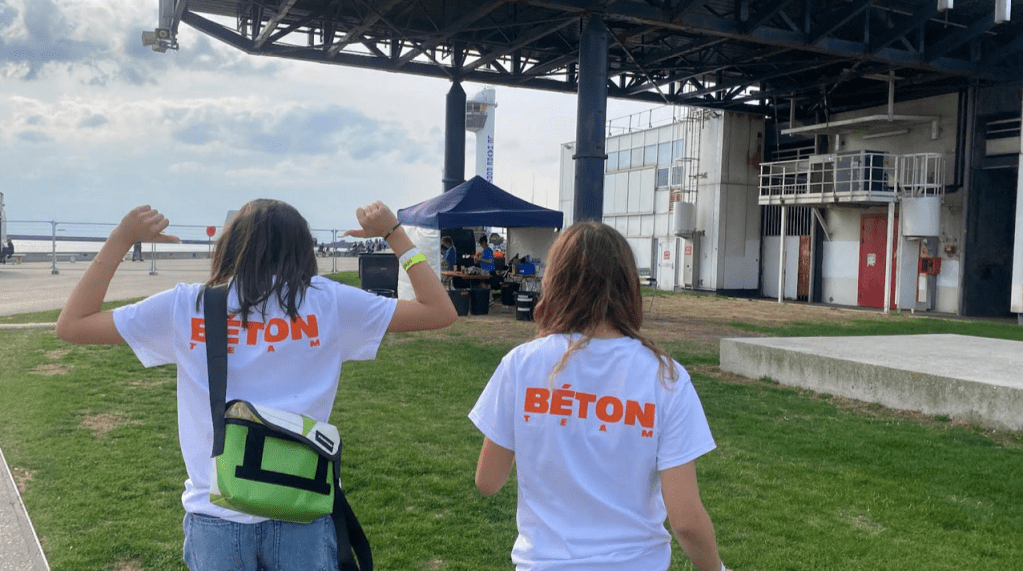
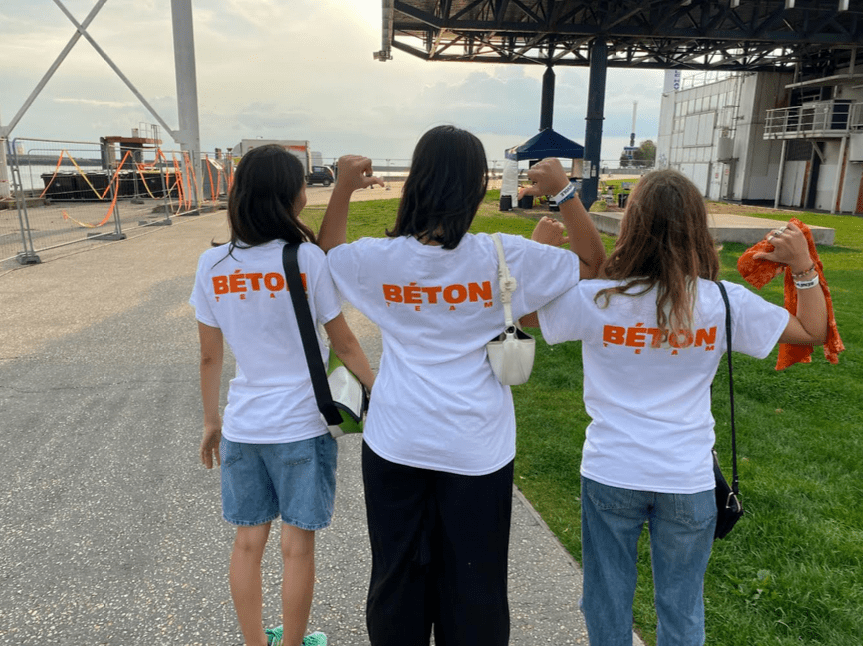
                  Vient alors le Jour-J, celui que nous attendions avec impatience, sans pour autant avoir une idée de ce qui nous attendait. Nous avions rendez-vous à 14h au même endroit que la veille.  Cet accès, caché de tous et réservé aux bénévoles,  révélait tous les secrets que peuvent renfermer les backstages d’un festival. Une fois équipées de nos t-shirts ‘Béton Team’ nous faisons la rencontre des responsables se chargeant de nos missions durant le week-end. Se présentent à nous deux femmes, membres de l’association Aremacs. Elles nous expliquèrent que l’organisation du festival Béton sous-traitait l’association afin de sensibiliser les festivaliers, tout au long du week-end, à propos de la transition écologique.

                  S’ensuit alors un peu plus d’une heure de ramassage des déchets tout au travers du site.  Or, nous nous sommes rendues compte d’une chose: cet espace que nous avions connu la veille-même se présentait sous un tout autre jour: on pouvait désormais retracer la soirée et les mouvements de chacun à travers les déchets qui jonchaient le sol. Près des tables et des scènes beaucoup avaient fumés, laissant derrière eux une traînée de mégots; d’autres abandonnèrent des restes de burgers ou de shawarmas; ce qu’il semblait avoir été des éco cups formait désormais un ensemble de petits bouts de plastique dispersés tout autour de la scène principale.

                  Une fois le ramassage fini, nous ramenons nos collectes dans les backstages, lieu où toute la magie opère et où les mains de fées des bénévoles trient, pèsent et entreposent tous les déchets collectés. Le rôle des intervenants d’Aremacs est de “valoriser” les déchets ramassés durant l’événement afin de pouvoir offrir une meilleure visibilité sur les pratiques de tri et de recyclage et globalement la pollution générée par les déchets. En effet, quand on sait qu’un seul mégot peut polluer jusqu’à 500 litres d’eau, ça nous fait réfléchir à deux fois avant de le jeter par terre.

                  En discutant aux membres de l’association, nous avons pu mieux saisir la diversité de leurs actions et le réel but derrière toutes les initiatives prises lors du week-end; les cendriers portables afin d’éviter les mégots par terre, les supports de tri à travers tout le site, des affiches de sensibilisation accrochées aux endroits de passages, etc…

                  Ce soir-là, nous nous amusons tout autant que la veille, profitons d’un repas offert (ça fait jamais de mal) et découvrons encore des artistes tous aussi talentueux les uns que les autres, de Dalì, à Yoa, en passant par Isaac Delusion et Etienne de Crecy ;  le “line-up” pouvait en faire rêver plus d’un.  Pour autant, quelque chose avait changé: cet espace que l’on avait si assidûment nettoyé quelques heures auparavant était à nouveau exposé à toutes sortes de déchets. Aussi, nous étions alors beaucoup plus attentives à notre comportement comme à celui des autres, nous n’avions plus la même vision de cet endroit qui était pourtant le même que le soir dernier. Au final, nous portions un regard différent sur ce festival de manière générale.

                  Dimanche 22 septembre:

                  Le dernier jour venu, la motivation n’y était plus vraiment au rendez-vous, la fatigue accumulée prenait le dessus. Malgré tout, nous nous sommes motivées et nous voilà arrivées à la Halles aux Poissons pour l’installation des stands de restauration qui allaient animer les activités du jour. Une fois les tables installées, nous avons été envoyées sur le site du festival et nous retrouvons nos collègues, désormais copines, d’Aremacs. Une fois nos repères retrouvés, nous enchaînons 2 heures intenses de tâches à accomplir, allant de ramassage des supports de tri, au nettoyage de l’espace backstage en passant par le tri et le pesage des sacs poubelles, nous participons à l’ensemble des actions menées par l’association et pour la troisième fois ce week-end, nous avons la chance de voir le site du festival sous un nouvel angle: encore une fois, les visiteurs avaient abandonné une traînée de déchets, les artistes laissaient derrière eux une trace de leur passage, alors que les scènes et bars disparaissaient sous nos yeux.

                  Une fois notre mission terminée, il était temps pour nous de quitter le site et de dire au revoir aux bénévoles qui avaient si chaleureusement partagé avec nous leur quotidien ces derniers jours.

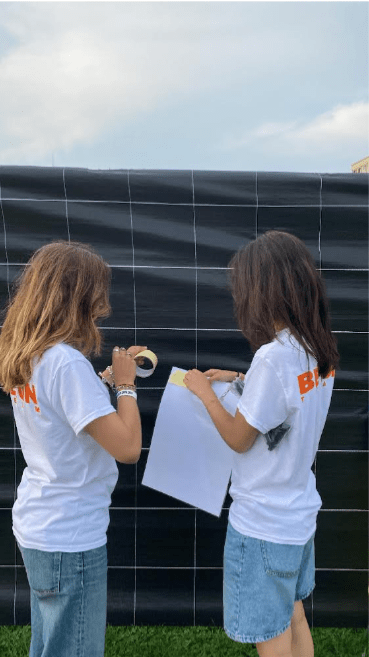
                  Des affiches à la main et la tête pleine de souvenirs, nous quittons cette aventure pour le moins improbable et des plus enrichissantes, avec un sourire sincère et quelques courbatures. 

                  Encore aujourd’hui, ce week-end reste une de nos meilleures expériences au Havre et nous en tirons une leçon: s’amuser et être utile c’est possible!

                  Le Studio: Onwards and Upwards

                  An interview with David Lheureux

                  By Rita Zeefal

                  All photos credited to the author.

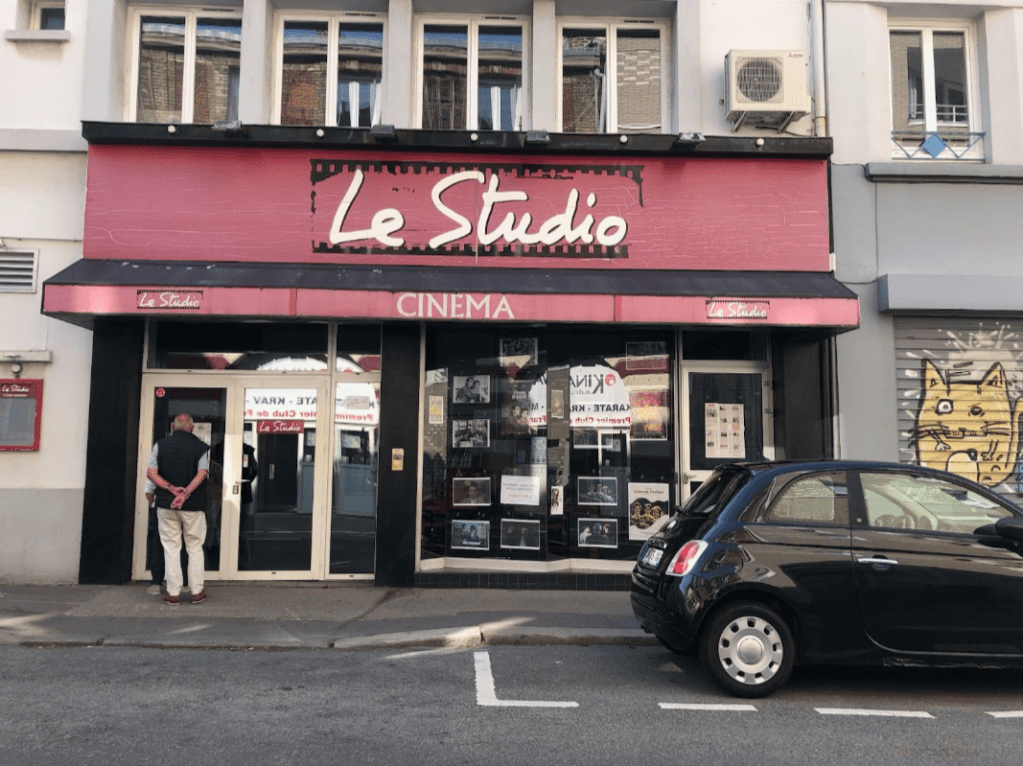
                  Above: a street view of Le Studio

                  While the beloved cinema d’art et d’essai’s future seemed precarious at the beginning of this year, it has managed an impressive rebound.

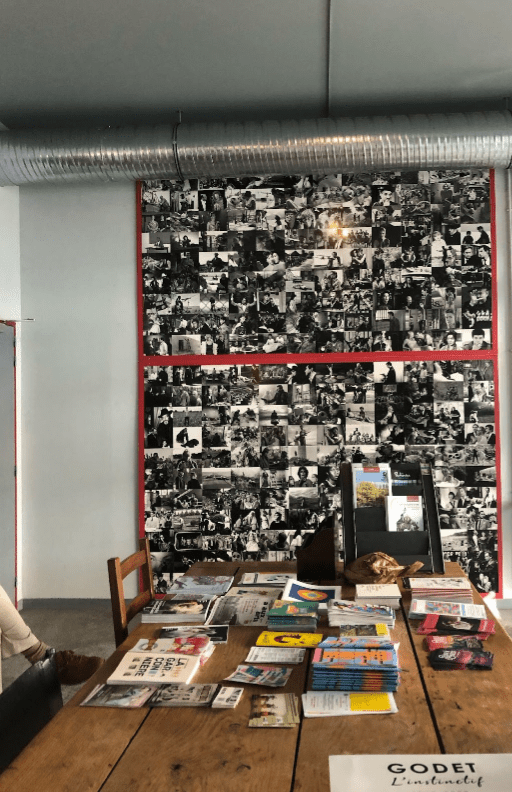
                  “Could you wait ten minutes until the screening is over?” says David Lheureux as we enter the foyer of Le Studio, Le Havre’s best and most beloved cinema d’art et d’essai. We sit down as David prepares to usher in an elderly couple to see Alfred Hitchcock’s The Lady Vanishes (1938). The foyer at Le Studio is immediately beguiling for an institution of its kind: the walls are papered with the printed cards that the enterprise gives to anyone who comes to a screening – with a still from the showcased film on one side and a description and history of the film on the other. One corner boasts a repository of such cards from screenings long past – which anyone can take free of charge. A large table occupies the centre of the room, on which are strewn pamphlets, brochures, and booklets on all things art and cinema at Le Studio and in the city of Le Havre. 

                  Above: a view of the interior of Le Studio’s lobby.

                  Fellow Le Dragon Déchaîné reporter Manon Patouillet and I begin our interview with David. His sharp, quizzical expression and steady blue eyes remain fixed on us. 

                  RZ: Could you tell us a bit about the establishment of Le Studio? Who initiated the project and what was its initial objective?

                  DL: Well, Le Studio was established in 1999 by Christian Zarifian, a filmmaker, who wanted to establish cinema heritage – the aim was to be able to showcase cinema – the grandes classiques and the history of cinema, but also world cinema and what was not shown on television.

                  MP: And what is your role at the cinema? How many people work here?

                  DL: There are about six people who work here – for my part, I play a role in the curation of films, and I oversee the screenings, making sure that we have the rights to show certain films…

                  RZ: And for how long have you worked here?

                  DL: I’ve worked here since 2002.

                  RZ: Wow, so it’s been quite a while [all laugh].

                  MP: Could you tell us a bit about the legal issues Le Studio was facing earlier this year? We know that a petition was started by an old Sciences Po student from our campus to mobilise support for the cinema.

                  DL: Indeed, erm, a petition was started by a student from your campus, however we were still able to operate during that time.

                  RZ: But what was the trouble exactly? 

                  At this point David’s answers become vague, and he shifts the focus to the role that a Sciences Po student, Elias Cantone, played in bringing attention to the conflict and mobilising local support for the institution to remain open.

                  From our point of view, the story is this: on the 6th of April, a petition created to ‘save’ Le Studio was shared with the students of Sciences Po’s Le Havre campus. “Sauvegarder Le Studio que nous aimons!” was its cry. The institution’s future looked precarious as two administrative factions fought over control of the cinema monosalle. A resolution of the conflict seemed elusive and the cinema appeared to be at risk of closing for good.

                  According to reporting done by Paris Normandie on the matter, two parties were at loggerheads over the question of control of Le Studio. One was led by the widow and daughter of the institution’s founder Christian Zarifian, and another led by individuals who have been administering the cinema since its conception, including president Patrick Gravé and treasurer André Fouché. By the time the story was reported on, the conflict had been raging for well over a year. By April 2024, a judicial tribunal was in the process of naming a provisory administrator while the two conflicting parties worked on finding a resolution internally. Once  Le Studio reopened its doors on the 28th of August, Cécile Dür, an administrative official of the Association Les Films Seine Océan, had been named the provisory overseer of its affairs. The cinema reopened its doors to the public after a summer sabbatical on the 28th of August with a screening of Kozaburo Yoshimua’s Night River (1956). 

                  For now all seems to be well. The optimism expressed by David for the cinema’s coming year is palpable. David proceeds to tell us of the curation of films at Le Studio, its choice to show what is dubbed ‘world cinema’. He casually includes  his matured reflections on the value of such cinema in an artistic sense.

                  DL: We run a programme that we curate based on a theme, and our programmes run for the entire year, that is to say, from September to June. As you can see we are showcasing a lot of  contemporary Asian cinema. We have Youri Deschamps who comes to present a film every month. We curate a programme for each month of the year. We try to show films by directors with a rather strong sense of aestheticism. Directors that are less known. Youri Deschamps has been doing presentations since 2002, so that’s 22 years. People come here to make discoveries, to see things that they aren’t able to see elsewhere.

                  MP: And why have you chosen to showcase Asian cinema in particular?

                  DL: Contemporary Asian cinema? Well… because of the amount of reflection that French films tend to have, we are really caught up with the spoken word, with language… I personally find that it’s sometimes a bit too literary, whereas with Asian cinema there is a sense of the aesthetic that doesn’t come second. It makes for a cinema that is –  bolder,  and harkens back to the true sense of cinema.

                  To many of us who are regulars at Le Studio, the cinema is more than just a patrimoine institution. The cinema is a portal to worlds far removed by space and time from anything many of us will ever get to know in our lifetimes. And for this fact alone, if not for any other, when we walk out of the inky black darkness of the screening room, we emerge as different people. The cinema is just as much a part of our education in this city as are our weekly seminars and 3-hour lectures. Our only hope is that this experience will be shared by many future generations of students in the city of Le Havre.

                  Above: an example of the printouts that are handed to every individual who pays to see a film at Le Studio. This film still shows Greta Garbo with John Gilbert.