Interview with His Excellency Datuk Eldeen Husaini bin Mohd Hashim

by Syontoni Hattori-Chatterjee and Yoann Guillot
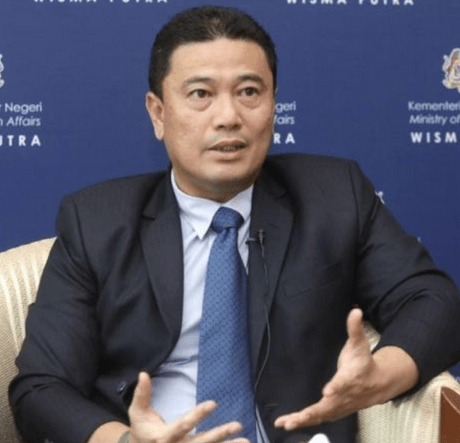
Image credit: X

On the 24th of October 2024, Malaysian ambassador to France Datuk Eldeen Husaini bin Mohd Hashim paid a visit to Sciences Po’s Le Havre campus. In addition to addressing the entire campus community during a lunchtime guest lecture, he also took the time to answer questions on his career as a diplomat, the Malaysian national project, and the diplomatic tightrope that Malaysia is currently walking, as a Southeast Asian state that finds itself betwixt and between the spheres of influence of geopolitical hegemons like China and the United States. His conversation with Syontoni Hattori-Chatterjee and Yoann Guillot of Le Dragon Déchaîné was as follows:

LDD: Well, thank you so much, Your Excellency, for being here with us today for this interview.

LDD: Good morning, thank you for agreeing to speak to us. To start, many students on our campus are interested in diplomacy and careers in this field, especially focused on the Asia-Pacific region, which is the main area of interest at our university. Could you share what a typical day in the life of an ambassador is like?

H.E. Bin Mohd Hashim: Oh, okay. It’s a very general and broad question. But I think, like anyone else, I wake up and go to work. For me, each day starts with a bit of inspiration—I listen to motivational speeches or songs to get hyped. I spend about 15 minutes on that, then I dive into my day by checking in with my colleagues about the schedule and duties for the day.

From there, it’s mostly meetings and appointments. I love meeting people, connecting, and engaging, so as an ambassador, I’m often out of the office. Ambassadors are always on the move, expanding engagement and building connections. There are really two goals: first, to establish and strengthen relationships and second, to represent Malaysia, to introduce our country and its culture to different groups. So, for instance, today’s goal is to introduce Malaysian diplomacy to university students, like you.

Beyond that, we attend official meetings, receptions, and events. These gatherings are important because they allow us to engage with others, exchange views, and strengthen diplomatic ties. In the evening, if there are no further engagements, I might relax, catch up on the news, or call colleagues to discuss the next activities. So, as an ambassador, each day is full of connecting, discussing, and sharing.

LDD: That sounds fascinating! Could you tell us a bit about your background and how you became an ambassador? What kind of studies or experiences prepared you for this career?

H.E. Bin Mohd Hashim: Sure. I studied law in the United Kingdom for three years, initially intending to become a lawyer. I practiced law briefly, for less than two years, then worked as a consultant with an American company for a year. But I always had a fascination with military life—I wanted to pursue that path. However, my parents strongly objected, so I decided to go into government instead.

Given my legal background and overseas studies, I was placed in the Ministry of Foreign Affairs. At that time, there was a talent-scouting system where certain individuals were selected for specific roles. Although they said it was optional, it was actually more of an instruction. I was chosen for negotiation, so I attended many courses and forums to hone my negotiation skills. My first department assignment was in East Asia, covering China, Japan, and Korea. Later, I handled the Southeast Asia region, North Africa, and African departments.

My postings took me to Japan for six years, back to Malaysia as a Southeast Asia specialist, then to Australia, India, Cambodia, and now, finally, to France. This is my first posting in Europe. Over my 28-year career, negotiation has been a constant theme. I’ve been fortunate—or perhaps unfortunate, depending on how you view it—to handle negotiations on high-stakes issues, including bilateral relations, hostage rescues, evacuations, and conflict situations. These experiences taught me the art of negotiation, which I now pass on to junior officers.

LDD: That’s really impressive. It sounds like you’ve had a rewarding career with a lot of impactful moments.

H.E. Bin Mohd Hashim: Yes, absolutely. It’s both challenging and rewarding in many ways. Some of the situations are quite dramatic, and negotiation can either help or complicate things. There’s a lot more to share, but I could talk for days about negotiation strategies! But yes, these experiences are valuable, and I’m grateful to have had them.

LDD: Thank you for sharing that. Moving on, Malaysia is known for its multicultural society, with various communities like Malay, Chinese, Indian, and many others living together in one country. While this creates a rich culture, it can also bring tensions. How would you define what it means to be Malaysian, given this diversity?

H.E. Bin Mohd Hashim: People often call Malaysia a “melting pot.” It’s true; we’re a country of many communities, and others are sometimes amazed at how we manage the diversity. Some scholars refer to us not just as a melting pot, but as a “time bomb,” due to the potential tensions that can arise from different beliefs, ethnicities, and priorities. If these differences aren’t managed diplomatically, professionally, or politically, they can become a “time bomb” rather than a melting pot, leading to conflict.

Currently, we’re still a melting pot, largely because of tolerance, understanding, and respect among our communities. It’s not easy, and we’ve had conflicts in the past while learning to understand one another. To succeed, I believe a nation like ours needs to embrace moderation, tolerance, mutual respect, and equal opportunities.

The stability of our multicultural society depends largely on the people, but it can also be influenced by political figures. For a long time—about 60 years—our politics were stable, and we thrived. However, in recent years, we’ve faced political changes, with shifts in government, which have created instability. When the foundation is stable, people tend to unite; when it shakes, tensions rise. But I believe in the importance of dialogue, finding common ground, and resolving issues peacefully.

LDD: That’s a powerful insight. So, Malaysia is indeed a melting pot, and keeping it that way requires a lot of effort, tolerance, and respect.

H.E. Bin Mohd Hashim: Yes, exactly. Malaysia and other Southeast Asian countries share this trait. We are “melting pots,” and it’s about maintaining harmony through tolerance, respect, and mutual understanding. If anyone wants to understand Malaysia or ASEAN as a region, they should start with this idea: a melting pot sustained by respect and moderation.

LDD: Yeah. Do you feel like your training as a negotiator has helped you understand not just how to talk to other people about your country, but also the political situation in your country better?

H.E. Bin Mohd Hashim: You know, I would love to encourage you to take up negotiation skills because if you are in this job, in the scope of international relations, or if your interest is to become a diplomat, ambassador, or a politician, this is the skill you need. The first skill you need is actually negotiation. Because in negotiation, you understand how to control people, how to plan, how to ensure you achieve your goals, and how to give, you know?

It’s all about give and take. In negotiation, there’s no such formula—although many books mention it—that there’s a segment where they say negotiation is a win-win situation. But there’s no real formula in negotiation called “win-win.” In negotiation, it’s always about win or lose. It’s either you win, or you lose. But in politics, if you go beyond that, to cover whatever loss someone has, and not to openly show that someone else has won, you go to the public and call it a win-win situation. That’s how politicians and diplomats operate—to calm the public.

LDD: Yes, to keep public perception under control.

H.E. Bin Mohd Hashim: Exactly. Because what happens behind the wall stays behind the wall. What the public knows isn’t always the whole story. So, the first rule in negotiation is that there’s no win-win situation. Win-win is a gimmick for the public.

LDD: Mhmm.

H.E. Bin Mohd Hashim: In any scenario—take a hostage situation, for example—there’s no “win-win.” It’s never just, “I give you cash; we get back the hostage.” There’s no such thing. It’s always a matter of winning or losing. But this skill is essential if you want to be a diplomat, politician, lawyer, consultant—anything in this field. Because once you have this skill, I think you could be placed anywhere in the world and thrive.

For me, I’ve been here for nearly 30 years in this field, and every day is exciting. Every day, there’s something new to learn. I really hope that younger generations have the same opportunity to develop these specific skills. There are many skills to learn, but negotiation is one I think everyone should have.

LDD: Mhmm. Thank you. Now, on a different topic—it seems clear that today, diplomatic relations between China and the U.S. are becoming more complex due to rising tensions and challenging issues. Many Southeast Asian countries seem to aim for a more balanced stance between the two. How do you think Malaysia is managing this situation? How is Malaysia positioning itself on the international stage given these rising tensions?

H.E. Bin Mohd Hashim: Good question. In the past, the situation was clear-cut because the United States had a long-standing influence, while China’s rise came later. But as China started to awaken as a giant, the U.S. grew concerned, and tensions escalated as both nations sought global support. Southeast Asia, especially, has been a focal point for China. They’ve built relationships through trade, investment, and historical connections that go back centuries to when traders would travel here. This historical and cultural connection is something unique to China’s relationships in Southeast Asia.

In contrast, the U.S. doesn’t have the same depth of historical ties with Southeast Asia. Instead, they’ve looked to regions like Europe and Africa to strengthen alliances. So, now, both China and the U.S. are competing globally, even within each other’s traditional spheres of influence. This rivalry creates a situation where smaller countries, including those in Southeast Asia, often feel pressured to choose sides.

For Malaysia, though, we’ve been clear. When the Americans approach us, we explain that China is not a threat to us. China has been an economic partner for a long time, just as the U.S. has. We believe that balance is possible and that trade and investment can bridge these divides.

Globally, everything is about trade and investment. That’s the main connection. Beyond that, there’s also culture and people-to-people connections. But if you go beyond trade, then you’re talking about war. So there are three possibilities: trade, culture, and then war. We’re focused on keeping it about trade and investment. But, even then, trade can sometimes lead to a trade war.

LDD: Right.

H.E. Bin Mohd Hashim: Exactly. Smaller countries like Malaysia and the rest of Southeast Asia are very clear about not wanting to get caught in the middle of this. So when asked to choose sides, we simply say, “No, we don’t want to choose,” because we want strong friendships with both. But it’s challenging. The trade war is escalating, and as you can see globally, conflicts are increasing. Some of these conflicts started between two countries but have grown due to outside support, which amplifies the issues.

For example, you look at Russia and Ukraine or Israel and Palestine—these conflicts began between specific groups, but they escalate as people take sides and support one over the other, often with trade and weapons. Globally, if you understand diplomacy, you’d see there’s no need for war; it’s just about survival and supply chains. Trading weapons has become part of this trade, and it stokes these conflicts further.

LDD: Mhmm.

H.E. Bin Mohd Hashim: So, to answer your question—Malaysia’s stance on the U.S. and China is simple. Both are business partners, and we approach both with mutual respect. We’re committed to maintaining neutrality because we believe both should have equal opportunities to engage in business with Malaysia and Southeast Asia.

LDD: Thank you. That’s very comprehensive and insightful. It’s certainly interesting to see the role the economy plays here. But looking to the future, if these powers continue on a path toward escalating conflict. Do you think it would be possible for a country to maintain a neutral stance, especially if there’s a shift toward open conflict?

H.E. Bin Mohd Hashim: If conflict escalates to war, neutrality becomes almost impossible. Diplomacy is always the first line of defense. Once that fails and war begins, there’s no turning back. War brings destruction, followed by the long process of rebuilding and the eventual return to diplomacy. This is why it’s crucial for entities like the United Nations to promote de-escalation. War between nuclear powers, for instance, would have devastating, irreversible outcomes.

Diplomats work tirelessly to prevent such escalations. Although our work involves receptions and events, the essence of diplomacy is about preventing conflict. Some people think traditional face-to-face engagement is outdated, but it’s crucial. Without it, we’re left with violence, which comes with a heavy price. If a situation escalates into war, survival becomes the focus, not diplomacy.

The choices of leaders are essential because they influence whether conflict escalates or cools. Education institutions also play a key role in shaping future leaders and their approach—whether they’re more aggressive or diplomatic.

If war does come, there’s no “win-win.” One side will prevail, but the path forward after war is complex and costly.

LDD: Considering ASEAN’s growing role, do you think it can help resolve regional conflicts like the one in Myanmar? Or should ASEAN remain focused on economic cooperation rather than political issues?

H.E. Bin Mohd Hashim: ASEAN has a principle of non-interference, respecting each country’s sovereignty, yet we can’t ignore the ripple effects of conflict in one nation on the entire region’s economy and stability. Myanmar’s internal issues are a longstanding concern. We’ve often reminded them of the need to avoid disrupting the broader economic network that binds ASEAN.

We have the “Five-Point Consensus,” which urges Myanmar to address its issues without destabilizing the region. Right now, we’re focusing on diplomacy and sending special envoys to Myanmar, which is a slow process, but essential. Economically, stability is our priority, not political control. We respect each country’s leadership structure, but we also seek harmony for trade and regional growth.

International sanctions are isolating Myanmar, with some countries even urging ASEAN to exclude them. However, ASEAN believes in inclusivity, so we allow Myanmar a representative role rather than full leadership presence in ASEAN meetings. This way, ASEAN remains united while supporting Myanmar’s gradual reintegration.

We hope that by 2025, when we chair ASEAN, Myanmar will be back on track, and the region will be more stable.

LDD: Thank you for sharing your insights! That’s all the time we have. 

“It’s very important for us to take the climate narrative and make it local.” Dr. Fengshi Wu on environmental movements in Asia

By Syontoni Hattori-Chatterjee 

After the results of the U.S. presidential election became decisively known around the world, I admittedly spent the rest of Wednesday, November 6th, in a depressive slump. I was scared not only for the future of American democracy, economic management, and domestic climate policy, but also worried about the potential regressive impacts of this closely watched election on global environmental governance. Dr. Fengshi Wu’s talk with students the following day on the dynamics of environmental protests worldwide gave me a much needed boost of hope. 

The Associate Professor of Political Science and International Relations at UNSW Sydney first passionately presented her work on the history of environmentalist movements around the world. But as she critically emphasized, most of the activists of these movements, including Filipino protesters against World Bank-funded hydropower dams that would displace Indigenous communities in the 1980s, did not define themselves as environmentalists. The resistance of activists like Chico Mendes to protect the Amazon rainforest consisted of directly impacted individuals and communities fighting for the land that they lived on, the air they breathed, and the water and food sources they needed to survive. These kinds of deeply local struggles for survival were and still are shared across societies, from democratic to authoritarian and everything in between. I was convinced by Dr. Wu’s assertion that the lifeblood of environmental movements lies in their ability to take climate change and biodiversity issues from the global level to the local, and thereby speak to the immediate needs of communities facing these issues now. I also found it striking how she connected ground-level mobilization of communities addressed to direct threats such as air pollution in Pakistan or the disappearance of a river representing a sole potable water source in Kazakhstan to the triple influence of local laws, national policy, and international funding from organizations like the World Bank. 

I was reminded of the work of Julian Aguon, Chamorro human rights lawyer and founder of Blue Ocean Law, a Guam-based international law firm specializing in Indigenous rights and self-determination and environmental justice cases in the Pacific. I heard him speak two years ago at California State University Northridge’s Fifth Civil Discourse and Social Change initiative Social Justice Student Research Conference. Also an author, Aguon discussed using environmental activism as responsible grief work to process the loss of lifeways, family, and tradition as a result of climate change and a means of driving people past cynicism to environmental justice action through personal stories. Both Aguon and Wu’s presentations were factual but passionate, analyzing a web of international organization-state-community interactions at the level of people and their immediate survival. The presentations moreover advocated vigorously for the centrality of the most marginalized and most impacted communities in our notion of environmental activism. 

I also appreciated how Dr. Wu clearly and deftly illustrated some key distinctions between environmental movements in different contexts. Her research showed her that the major difference between protests occurring within a democratic context of rule of law versus a context without these guarantees was the level of repression, violence, and loss of life that protestors faced from the state. Nevertheless, she demonstrated that environmental movements worldwide are facing increasing repression, a symptom of democratic backsliding given that such movements have often pushed for political liberalization. She responded to audience questions clarifying that environmental politics’ being depicted as a left-wing, abstract political issue is a problem within Western democracies that does not translate to many other political contexts where the issue is more universalized. She also discussed national and global environmental governance in China, a uniquely high-functioning authoritarian regime whose renewable energy tradition is more driven by fossil-fuel-poor geographic conditions than existential concerns about the ecosystem. I found it especially illuminating to compare this strongly state-led environmental policy model to the contrasting behavior of the rising Chinese middle class, finally able to enjoy comfortable lifestyles of overconsumption that the middle classes of Western democracies have for decades, and thus, understandably, reluctant to forego its new lifestyle. As an American concerned about further U.S. removal from global climate governance, it was interesting to observe a different model that could become the future of environmental leadership in international relations. 

I am sure that I speak for my peers in expressing my gratitude to Havrais Dire for organizing this conference amidst what is always a busy (and perhaps draining) time studying political science in the tumultuous world we live in today. I hope that sharing some of my reflections on Dr. Fengshi Wu’s presentation through this article gives other students a similar renewed hope in our power to affect local change for global environmental progress. 

RENTRÉE SOLENNELLE: A solemn Return to the Realities of Political Discussion

Franzcesca Chiara DE LA CRUZ, Maalavika HAREESH, Thomas LANDERRETCHE, Sylvain SAINTE-MARIE 

Image Credits: Thomas FUNKLEDER

Above: students gathered in the main hall outside of the Grand Amphitheatre on Sciences Po’s Le Havre Campus

Not your typical year-opening ceremony, now is it? All across the different campuses of Sciences Po, the Rentrée Solennelle is a symbolic occasion for the academic year to officially begin – and an opportunity for the institution to flaunt its specialities. For the Le Havre campus, this took place on Thursday the 12th of September. Traditional outfits and suits filled the hallway that day, ready for “Meet the Paris Admin” – a two-hour Q&A format session with Paris’s Dean and Head of Student Life along with Mr. Hauchecorne. Students raised their concerns, as the presence of the central administrative body is rare on regional campuses. It was presented as a time for open dialogue. 

In the beginning, all looked to be in order. The day started off with the welcoming of different personnel; among those present were marine officers, departmental and regional officials and civil security representatives. This was followed by an afternoon of speeches from the admin and different officials, as well as an inaugural lesson from Dr. Champaka Rajagopal. The session came to an end with artistic performances by the BDA. 

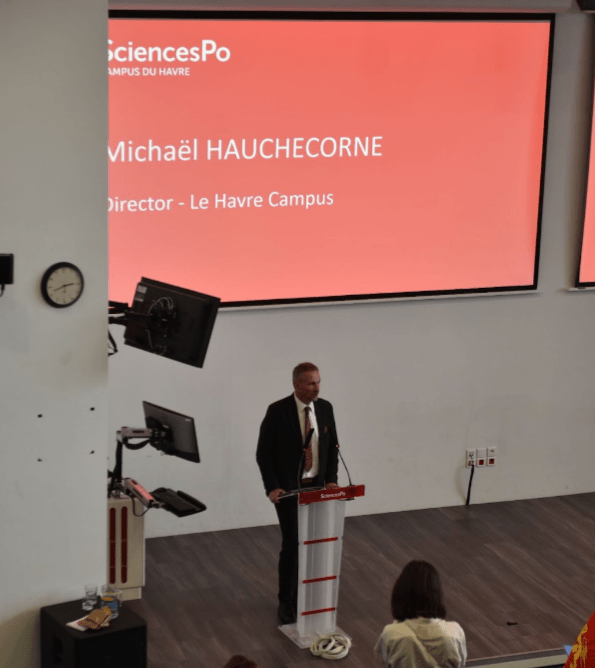
Our campus director, Michaël Hauchecorne, delivered his speech in the Grand Amphi in front of guests, before leaving the floor to Dean Jeanne Lazarus. Suddenly, after a few minutes of her speaking, she was interrupted by a 2A student standing up from the assembly and reading a statement from the Students for Justice in Palestine (SJP) LH group. A strained silence descended on the assembly as everyone listened to the impassioned reproaches of the students from SJP. The dean made the attempt to resume her speech after this initial outburst, but soon it was made clear that the student protesters would interrupt her every time. It is recorded that, in total, the dean’s speech was cut off four times after each attempt to resume her address. Each speech made by students in the audience received warm rounds of applause from students in attendance, though not unanimously. Cheers and silence, applause and indifference, eagerness and frustration played against one another throughout the room. Some stood and applauded the intervention, others left. In the spirit of this medley of varied and contrasting reactions from the assembly, the officials’ “apolitical” departure from the amphitheatre was drowned by most students’ cheers, much to the discontent of the admin and the guests. As the fourth claim was read out, Mr. Hauchecorne called on everyone to leave the amphitheatre, before engaging in heated discussion with the students involved in the disruption. 

Above: Campus Director Michaël Hauchecorne addressing the assembly at the Rentrée Solennelle welcome ceremony

This clash of interests ultimately cut the Rentrée Solennelle short. After a few dozen minutes of students filling the campus halls in a trance of confusion, intrigue and excitement, the event was set back into motion with the inaugural lecture made by Dr. Champaka Rajagopal on urban development in a liberalised India. The 2A and 1A sessions were separated, however.  To end that day, only the Thaï dance from Nicky (2A) was performed in the hallway. Notable enough was the absence of the majority of guests and the whole of Paris’ administration after the initial interruption in the Grand Amphitheatre took place. 

What to do, what to say after such an unconventional start to the year? A week after the event and the protest actions that characterised it, Students for Justice in Palestine (SJP) LH convened an independent meeting, attended by both second and first-year students to explain the organisation’s objectives and to answer potential questions. Here, second year students such as Lino Battin, Samy Sefouni, and Angèle Doray explained to the first year students the history, intentions and protest mechanisms of SJP.

A representative from SJP clarified that their recent actions were aimed at capturing the attention of the administration and other key stakeholders, rather than disrupting the event itself. This latest protest follows previous efforts by SJP, including fundraisers, petitions with over 2,000 signatures, and multiple blockades on campus to raise awareness for their cause.

During the meeting, SJP addressed concerns about their recent protest, including a lack of communication with first-year students and accusations of anti-Semitism, which they firmly denied. They clarified that their protest targeted individuals they view as supporting a “genocidal state,” not any specific ethnic or religious group. The group also distanced itself from pro-Palestinian graffiti that led to a campus event cancellation.

Looking ahead, SJP plans to expand its media outreach through social media and connections with media houses such as Libération, all while continuing its advocacy for Palestinian justice. They maintained that the tone of future actions will depend on developments in Gaza and any potential disciplinary actions from the university administration.

Meanwhile, the campus administration has expressed its chagrin at the disruption caused by protesters affiliated with SJP, believing the Rentrée Solennelle to be neither “the time nor the place for a constructive discussion.” This and more was stated in an email addressed to the first year cohort soon after the event. Director Hauchecorne’s email, sent alongside a letter from Jeanne Lazarus herself, describes the interruption as “not acceptable,” emphasising the negative impact such disruption could have on partnerships. Lazarus emphasised the need for open dialogue and declared a desire to work with students. 

“I assure you of my availability for all forms of dialogue, my openness to all questions, and my willingness to listen and pay attention” – Jeanne Lazarus, in a letter addressed to all first year students of the Le Havre campus. 

Despite the campus administration having stated its willingness to listen to students, SJP still has lingering doubts regarding the admin’s ability to cooperate. It is worth noting that no mention of the SJP protest, across any social media platform, was included in posts by Sciences Po about Le Havre’s Rentrée Solennelle. However, Hauchecorne gave his remarks on the matter in an interview with the newspaper Paris Normandie, condemning the protests last year as polarising while assuring that platforms for discourse would be implemented this year, such as conferences and mediation workshops. 

Preventing an entire class from taking an exam, preventing students from accessing a conference… These are not normal behaviours in an institution like ours, and we condemn extreme polarisations.

– Hauchecorne, in an interview with Paris Normandie

Regarding students’ opinion on the matter, it seems that sentiments are divided. We attempted to quantify students’ opinions with scales (a 1 to 10 measurement system) and the results were often found in the extremes. For instance, when we asked if they agreed with the intervention by SJP, 60.3% of students voted in extreme cases (either voting 1, 2, or 9 and 10) with 26.4% disagreeing in the extremes and 33.9% agreeing in the extremes. Nevertheless, many students found common ground when it came to certain aspects of the event. For instance, 83.1% of people agreed that the cultural aspect of the event made it better and 52.9% of people also, overall, enjoyed the Rentrée Solennelle. However, it is important to note that only 54 people sent in their opinions on our anonymous Google forms, meaning that there may be a silent majority who genuinely feels indifferent towards the intervention and the Rentrée Solennelle.

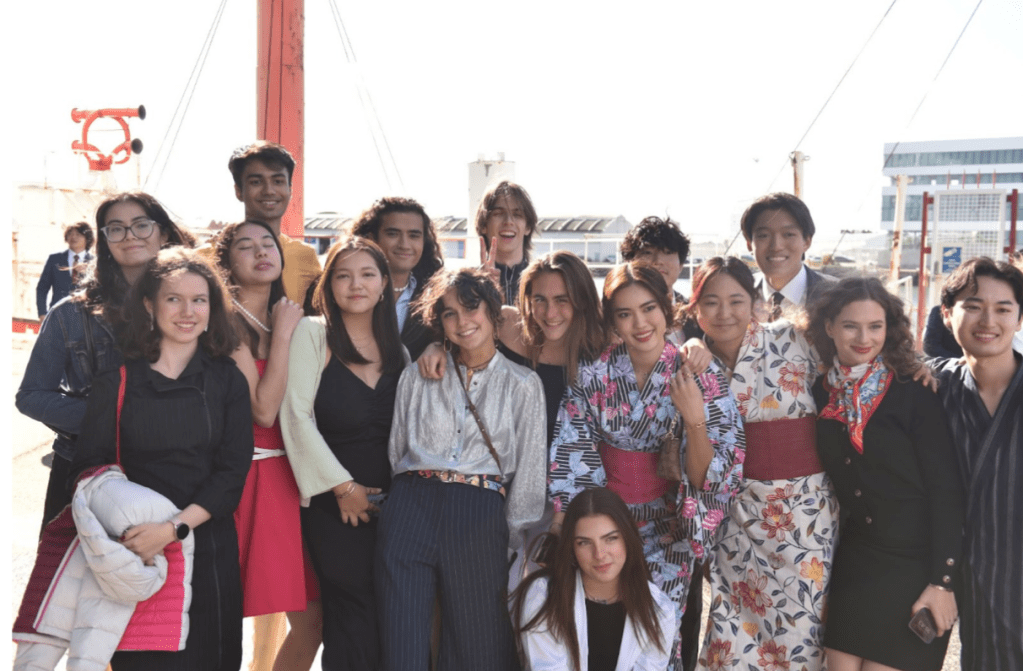
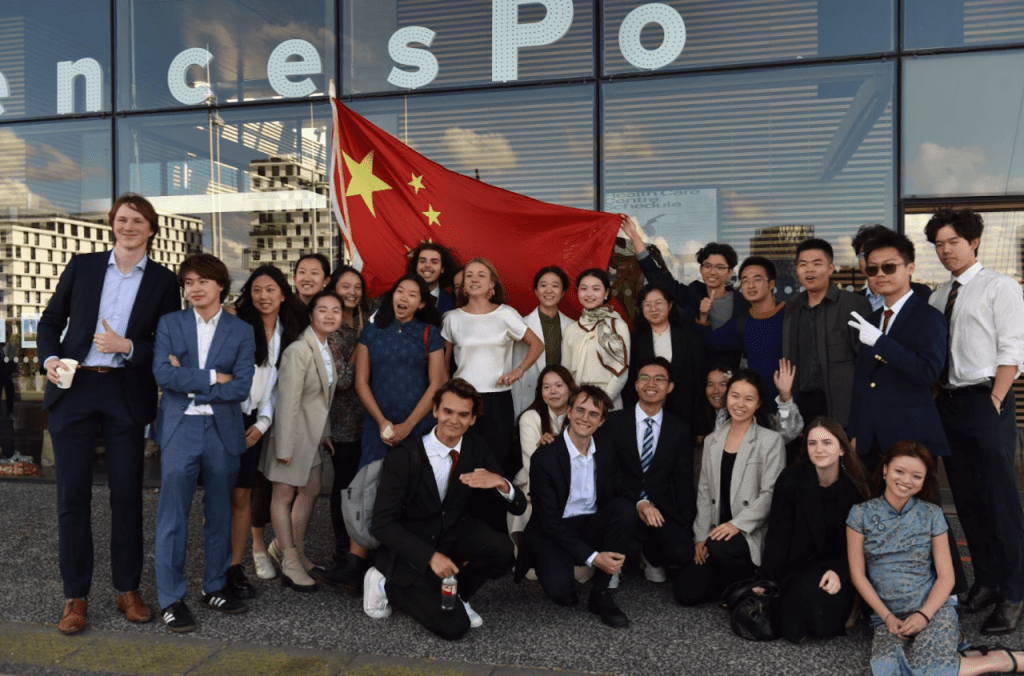
Above: a group photo of students taken outside of the main building of the Le Havre campus

While there have been mixed reactions towards the event, some students revealed in interviews that the SJP meeting helped them understand the motivations behind the protest, and were glad it was held despite not agreeing with all the points discussed. Others felt that the meeting only strengthened their support for the cause and that the new school director won’t improve administrative response to these situations – this leaves students unsure about the future of political expression on campus. However, those interviewed feel that students studying politics should not be blamed for trying to change the world, and believe that more Sciences Po students are taking action on an important issue. 

But Sciences Pistes of Le Havre, resilient to the tensions that had boiled over earlier in the day, chose not to let the occasion pass them by. Indeed, the cancellation of the highly anticipated prom picture, taken traditionally during the Rentrée Solennelle, did little to lessen their energy and enthusiasm. For as the long (and fortunately sunny) day drew to a close, many gathered gladly outside campus, to have a chat with classmates old and new and to take photographs in fancy dress. Nothing could diminish the buzz of excitement of a fresh school year that hung in the air on that fateful September afternoon. 

Above: a group photo of students taken outside of the main building of the Le Havre campus

A Time Capsule From Integration Week

The good, the bad, and the busy from your fellow SciencesPistes.

By Syontoni Hattori-Chatterjee

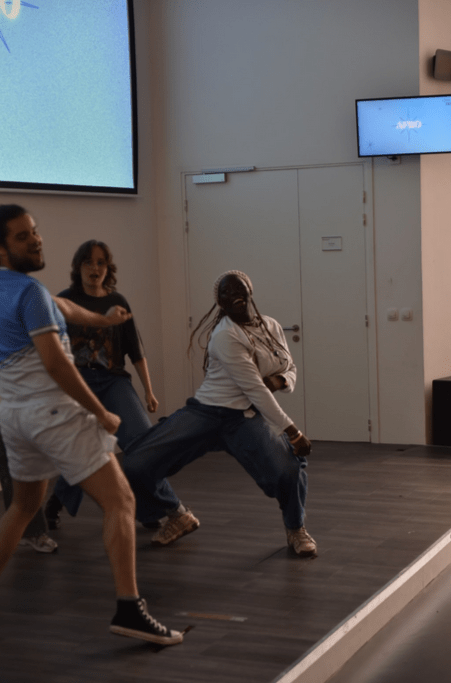
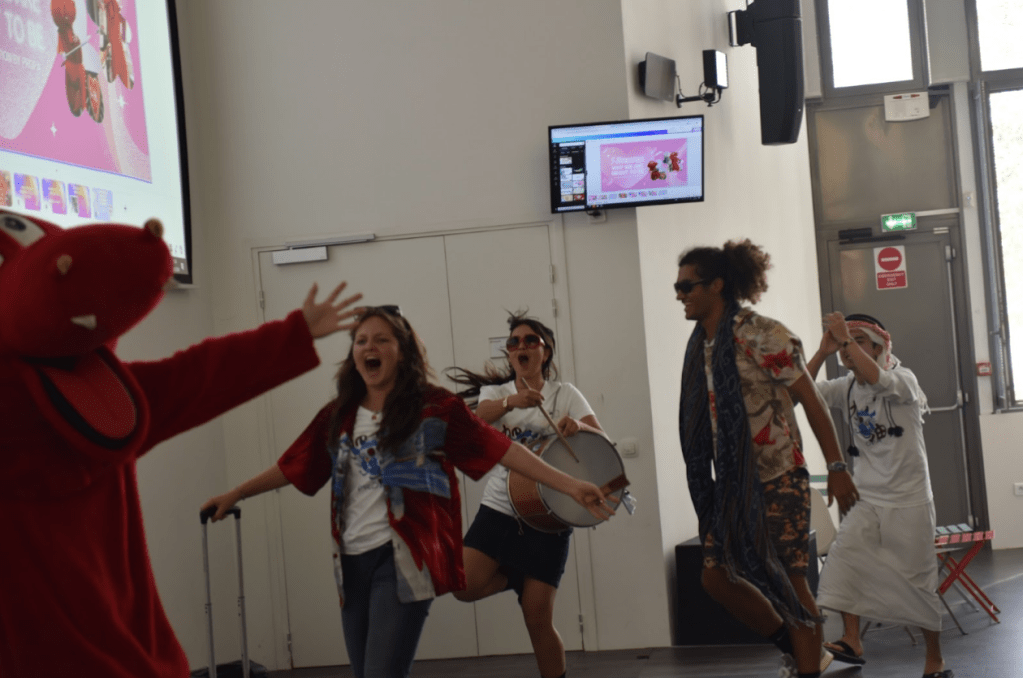
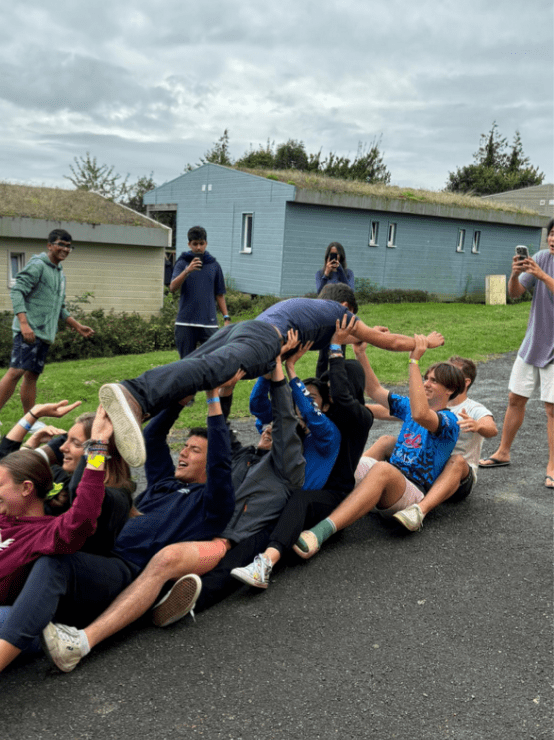
Remember integration week? Do the performances and parties feel a million miles away amidst the trenches of midterms season? Here’s a reminder of times past when Le Havre weather was warm and Sciences Po life had the promise of fun. 

Sweet Memories

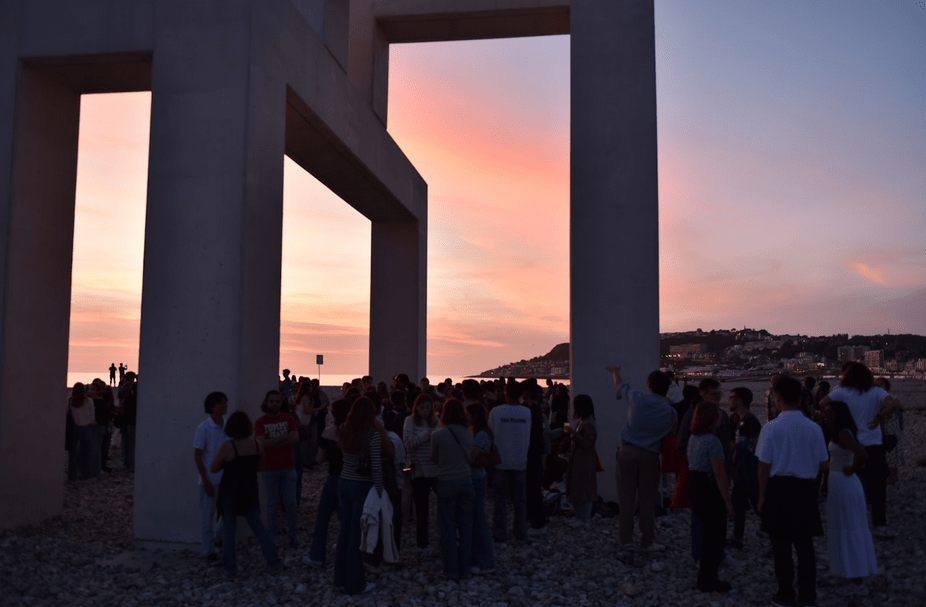
SPE and LH Sessions’ Beach Concert and Stargazing. Photo credit: Thomas Funkleder.

Nara, 1A: “Integration week was super fun! All of the assos, along with SciencesPo made everything accessible to everyone and there were tons of activities to choose to attend. For most of the 1As it’s our first time being away from home, so I appreciate the support system our 2As and admin made available for us to help us settle down and integrate. By Saturday, the day of Appartathon, I think everyone warmed up to each other and experienced lots of “core memory” things. I’m positive everyone was able to find their people and feel comfortable being here thanks to integration week.”

BDA and LH Sessions Jam Session and Bar Night. Photo credit: Julos Dartiguenave.

Yu Xuan, 2A Year Rep: “Integration week was such a blur for me and I felt like the week passed by in a flash! I absolutely loved the vibe of the campus though, everyone was so kind, lovely, and so open to discovering new cultures during the club & cultural fair! Always so fun for me to see new faces and meet y’all cutiepies! <333” 

Hard Work Behind the Scenes

Club Fair. Photo credit: Thomas Funkleder.

Humshinee, 2A and Street Dance Co-Captain and Musical Logistics Captain: 

“As a club leader, thinking about integration week is the best part of the summer. As the Street Dance Captains, Morgane and I started talking in Early August about ideas and it was amazing but difficult to create new choreography. We had a video call at 10 pm Morgane’s time and 4 pm my time during which we made new choreography in 30 minutes and then at 3 am my time and 9 am Morgane’s time to finish it. The crew learned it in 2 hours and then performed it the next day. 

As 2As, we were just so excited to be able to showcase to 1As, and let it be on the record that I was sick during the Club Fair, but through sickness and jetlag we all powered through. For the Musical Club, we were rehearsing starting at 9 am the day before the Club Fair. Laura landed at 8 am, then came into Le Havre at 3 pm, ate lunch and showered, and came to rehearse at 4 pm. I had so much anxiety seeing if we could pull everything together and Tuesday was running in between clubs and performances, from Shatta to Musical to Cheer. But overall, showcasing our clubs was so worth it. 

On Monday, meeting everyone at the beach and singing was super fun. Big ups to LH Sessions for reaching out over the summer and seeing what people were willing to do. On Thursday, it was so fun coming back to Craft a year later. I remembered seeing our now 3As perform last year so it was cool being on the other side of it. 

As a whole, as a Club Captain and Performer, my main goal and takeaway from integration week was to have fun and showcase what LH is all about and the relationships that we’ve built over the past year and will continue to build this year.”

Club Fair. Photo credit: Thomas Funkleder.

Sara, 2A and President of PROPA:

Je dirais que c’était beaucoup de stress, énormément de stress, en fait c’était vraiment une pression que je me mettais et que je pense tous les autres membres des associations se mettaient parce qu’on veut donner aux 1A une semaine d’intégration et WEI incroyable pour qu’ils se fassent des souvenirs incroyables comme nous on a pu se faire des souvenirs aussi incroyables l’année dernière.

C’était beaucoup de pression, voir même certains mental breakdowns mais au final, quand on voit les réactions des 1A qui viennent directement nous voir et nous remercier pour ce qu’on fait et nous dire qu’ils ont adoré que ce soit la semaine d’intégration ou le WEI et juste quand on les voit et qu’ils s’amusent, franchement ça en vaut la peine. 

Mais honnêtement ça me fait vraiment plaisir de voir qu’ils adorent parce que franchement moi je me rappelle que l’année dernière ma semaine d’intégration et mon WEI j’avais adoré, encore maintenant on en parle avec mes amis donc j’avais envie qu’ils aient exactement les mêmes émotions et les mêmes souvenirs que moi j’ai pu avoir l’année dernière en tant que 1A.”

Translation: 

“I’d say that it was a lot of stress, an insane amount of stress, but really it was pressure that I was putting on myself and that I think all of the other association members were putting on themselves because we want to give 1As an incredible integration week and WEI so that they could make incredible memories just as we did last year. 

It was a lot of pressure, even some mental breakdowns but in the end, when we see the reactions of 1As who come directly to see us and to thank us for what we’re doing and to tell us that they loved integration week or WEI and even just when we see them and they’re enjoying themselves, honestly it’s worth it.

And honestly it makes me really happy to see that they loved it because truly I remember last year that I adored my integration week and WEI, even now I talk about it with my friends, so I wanted them to have the exact same feelings and memories that I got to have last year as a 1A.” 

Some of the Best Sciences Po Traditions 

PROPA Appartathon. Photo credit: Fatine Mohattane.

Alex, 1A: “So I thought integration week was very entertaining since lots of different associations held various events. Almost every single one of them were fun and it was a great chance to [get to] know new people, both 1As and 2As. WEI, on the other hand, was also very fun and I could see that BDE and PROPA had put a great effort into it. The events were entertaining but the best part was definitely the 2 party nights! To be honest I think this tradition must be kept forever in SciencesPo.”

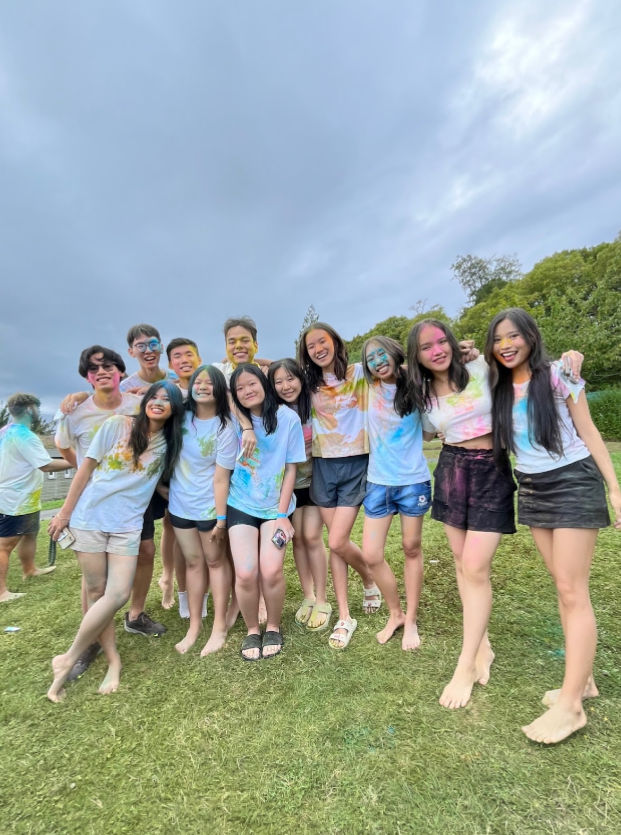
WEI. Photo credit: Enxin (Rosie) Han.

Rosie, 1A: “This was my first exposure to one of the best freshman traditions of SciencesPo – a very happy first weekend. I really enjoyed playing games with my classmates, making marshmallows, swimming, dancing, singing…etc. And I‘ve also met many people who are super interesting. We walked on the lawn together and looked up at a sky thick with stars like ice crystals, flashing and flickering, with beer… this atmosphere, it’s super super nice. I thought I will always miss my 18-year-old WEI trip, en France.”

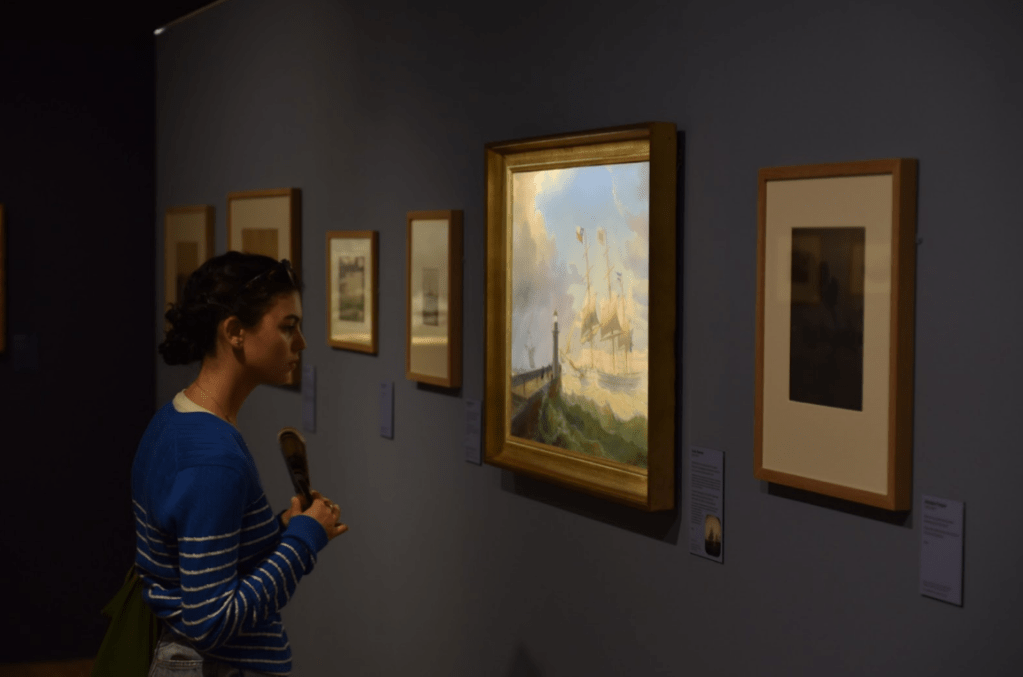
BDA MuMA Visit. Photo credit: Thomas Funkleder. 

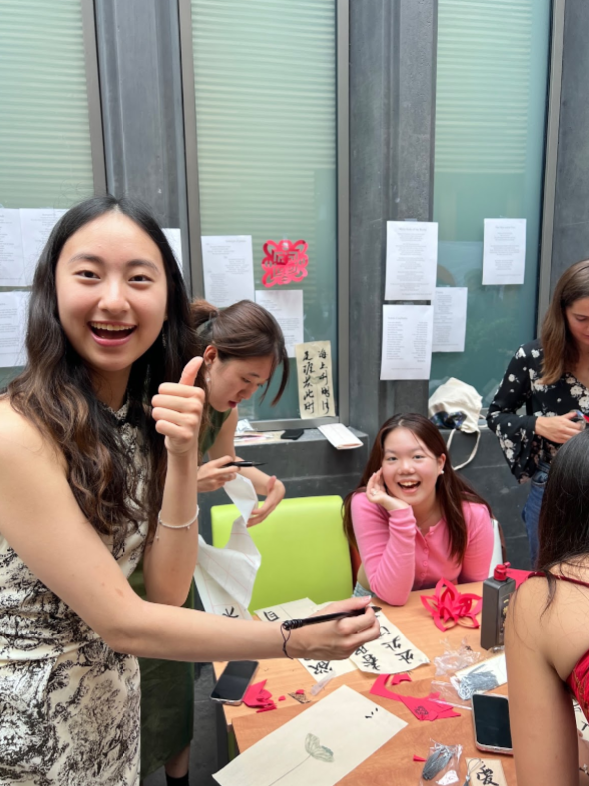
HD and BDA Cultural Fair. Photo credit: Syontoni Hattori-Chatterjee.

Been There, Done That  

Anya, 2A: “As a 2A it made me very grateful for the friends I had because I saw all of the 1As in the process of making friends and it reminded me of the good friends I have.” 

Diva, 2A and somebody anonymously agreeing: “Glad I’m not a 1A. I have never been so fake as my first year integration week.”

The Most Mature and Reflective Tea You’ll Ever Read 

WEI. Photo credit: Nicky Punnnahitanon.

Nikki, 1A: “Before going to WEI my friends and I asked many seniors about what exciting things we could look forward to, and many of them hinted to us that we could expect the wildest things happening like couples sprouting up everywhere, condoms littered all over the place, many people getting wasted. I think many of us were excited to see such spicy stories unravel — at least I was hahaha. (Un)fortunately, I didn’t hear of anything scandalous at all, but certainly I found something way more exciting: countless platonic relationships that quickly blossomed and strengthened, from jumping into the pool together to the screaming our lungs out at parties, from playing truth or dare on the floor of our chalets to boulangerie-hopping in centre-ville together in the rain. I know that in the next two years, whenever I get a headache from PI or feel lost along the Silk Road, I’ll definitely think back to these memories and feel this snuggly warmth in my heart.

Also, I love that the BDE provided condoms – even though I felt like almost nobody ended up using them for the right purpose hahaha (my friends and I were dissecting a female condom in our own room, fascinated to be seeing it for the first time!!) This is very new for me, something I’d never expect to see back in Singapore where I went to high school because there, abstinence is still very much at the forefront of our sex education (possibly in Thailand where I originally grew up).

Initially I was shocked – likely shaped by the environment I’d grown up in, I instinctively wondered whether this would encourage potentially risky sexual interactions, but very quickly my friends and I started having discussions about it and I was amazed to discover just how open minded people around me are towards this initiative. I realized that the condoms helped normalize safe sex and conversations about it, and as we grow up, we together can do so much in spreading this open minded attitude in our workplace and the policies we’ll help push for in society!

Another highlight of WEI for me is the food – omg it was just so ✨incroyable✨ with the charcuterie buffet and biscoff panna cotta being on top of the list for me. Simply unforgettable. Changed my life.”

I hope this recap makes you think fondly of your integration week experience at Sciences Po, the first for our dear 1As and the last for us 2As soon to be spread around the world. Now get back to studying SciencesPistes, I’m sure you have work to do. 

Interview with Luis Vassy: On Polder-Politics, Freedom, and Looking to the Future

By Rita Zeefal and Syontoni Hattori-Chatterjee

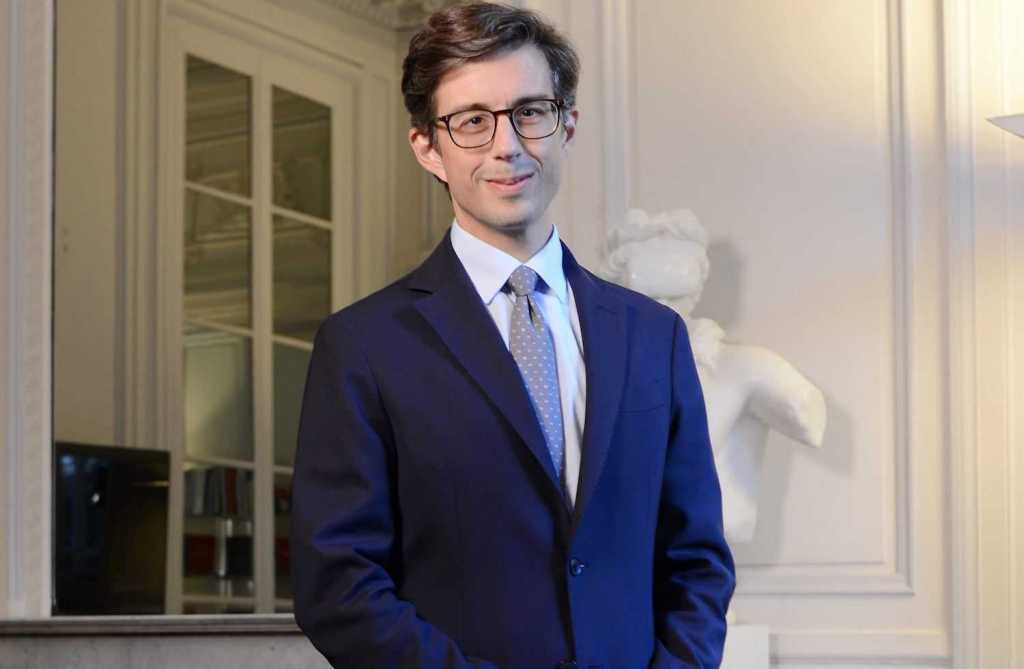
Image credit: Sciences Po

On Friday the 11th of October, journalists Rita Zeefal and Syontoni Hattori-Chatterjee from Le Dragon Déchaîne were lucky enough to have a few words with the new director of Sciences Po Paris, Luis Vassy, during his visit to the Le Havre campus. In the conversation transcribed below, Mr. Vassy shares insights from his diplomatic career and delves deeper into the foundational principles of his project for the school.

RZ: You have stated that your three years as French Ambassador to the Netherlands taught you of the importance of integrating democratic approaches to budgetary planning. And you stated that you would like to introduce this approach to the budgetary planning on campuses like ours too. Are there any other matters relating to the functioning of Sciences Po in which you would like to give students more decisional power?

LV: I found, during my time as ambassador, that the Netherlands was an incredibly participatory society. I think statistics show that they have among the highest proportion of young people who volunteer. There is also a culture of open dialogue, negotiation, and consensus. Even little children are trained from very early on to negotiate their way through life. There is also the whole Polder system that I admire a lot. And indeed, we all try to build on the experiences we’ve been able to have throughout life, and it’s true that my 3 years in the Netherlands as ambassador have opened me to this way of organising a community and a society and I think there are lessons, indeed, for the community like the one we represent. We have a chance to encourage the practices of taking responsibility and forging a culture of consensus and compromise.

So, among the ideas that I brought up in my programme, are those related to seeing if we could create these spaces where discussion and responsibility-taking could be developed. And I hope there are other ways of doing it, but I really strongly believe in that balance between responsibility and the health of a community. 

SHC: Yeah. And sort of leading off of that as well, regarding your program and the manifesto that you talked about, and different types of more participatory mechanisms that take into account the diversity of our Sciences Po network and institutions, especially the regional campuses. We’re on one of them right now, of course. If you were to sum up briefly your 3 main priorities as director related to the regional campuses, what would they be? 

LV: Well, as you know, there is work going on on the structure of the Bachelor. As I said in the program, I think the priority has to be to make sure that the competencies we develop for the students are completely in tune with the needs of tomorrow’s society – or even today’s society. I really think that there are fields where we can move forward and maybe even be leaders, for example, the kind of competencies students will need in a world that will be strongly dominated by AI. So as I said in another context, and it’s in the project, for example, I understand that from a cognitive standpoint, the capacities of synthesis and writing are very useful. At the same time, I believe that they are personal cognitive assets, but they won’t be professional assets so much in a world where AI will overtake, easily, some of the synthesis and writing part. But there are other maybe deeper, stronger competencies that we can look into.

And that’s why I propose to look into the scientific method in social sciences which will allow students to develop cognitive competencies that will be useful for them. I think it has to do with the ability to distinguish between true and false in a world where AI can actually create a grey zone or difficulties there. Students need to have the ability to go to original sources, the ability to develop hypotheses and challenge them, the ability to doubt, simply, and the ability to experiment and to find solutions to problems that are very diverse. 

And the other aspect for the Bachelor’s, that all the candidates came to the same conclusion on, is the necessity to strengthen the common curriculum and the basic disciplines that are taught here in Sciences Po. Why?

Because I believe indeed that in a world, again, where so much knowledge is available digitally, there will be a huge advantage for one that is able to go pretty deep into issues so as to understand the bridges and links we can make between different disciplines when we look at a specific problem. And that means not remaining at the surface of things. It means going very, very deep into each discipline. Then, I also say I’m not a researcher. I’m not a pedagogue, so I will, of course, work on these issues with the whole community and see which kind of conclusions we can derive from this, let’s say, overall analysis.

But I also think there are lots of extremely interesting things to be done here. For example, there is the question of the identity of the campuses. I want to look into other ways of specialisation. 

Regarding the geographical specialisation, I believe this development has enriched the Sciences Po community greatly, but the campuses also correspond to a state of the world at the beginning of 2000 where globalisation was a happy thing. And so you will conquer Asia in Le Havre, or you will conquer North America in Reims. There was a very optimistic vibe about the development of the regional minor campuses, which I think we can and should cherish.

But there are also new challenges that we can look into early. What I say here is not definitive – it’s an intuition rather than a definitive decision. But we should also look at having campuses that could specialise on things like climate change, the ecological transition, maybe on digital issues, maybe on international security issues. There may be other ways of looking into the specialisation.

This will be a very open discussion, but since I’m honest in general, I just wanted to share my intuition, let’s say, in these, in these first steps here. 

RZ: Do you intend to institute reforms as sweeping as those of Richard Descoings? You mentioned that in the early 2000s globalisation was at the forefront of everyone’s minds. Now we’re 20 odd years on and questions like climate action and the regionalisation of the world are at the forefront of our minds. Do you think that you could react institutionally to these global issues in the way that Descoings did during his time?

LV: I don’t like the word “react” but yes, I think we need to adapt ourselves as we have done constantly over the past 30 to 40 years. Sciences Po is an institution that has always been dedicated to understanding the world as it is. It’s the motto. 

The world of the end of the 1800s was not the same as the world of 1945 which is not the world of 1989 to the beginning of the nineties. And it’s not the same world as today. So as I said many times before, it’s true that we are coming out. We have already come out of a world of functional democracy and happy globalisation.

Clearly, the world in which you will have to thrive will be a different one with different challenges. And yes, I think we are at this point of the cycle where we need to readapt the curricula and the intellectual intent of the institution to these realities. That’s what I proposed in the program that got me elected. So I guess there is some support for doing that, and I hope to be able to now operationalise that into concrete decisions.

When I was a student here there was a course that was called Les Grandes Lignes de Partage du Monde Contemporain. It was really just a course on globalisation. One of the fascinating things I find is that it was created in 1989 before Richard Descoings by Lancelot. This means that this institution has always been able to sense very early on the coming evolutions of our time.

And I think that’s the spirit we want to continue – one that always has its eye on the future. 

SHC: And finally for us on our end, especially in terms of reacting to the world, and students’ role in that. In light of current events and your first message to the Sciences Po community about them, you expressed your desire to safeguard students’ freedom of expression, within a context of respect for diverse opinions. Obviously, this is also a value very strongly shared by our student community. And so could you further define your vision of freedom of expression at Sciences Po? What’s its scope? What are its potential limits? 

LV: I think the scope must be as broad as possible, and the limit is the one set by laws and our international regulations that do not have so much to do with the content of what you express rather than the way you express your opinions. And I think it’s always extremely important for everyone to be mindful of the fact that we are not isolated cells, in the world, that the way we express ourselves individually or collectively also has an impact on others. And so I want to make sure this is a concern that is raised, you have to reach out to students that feel that their opinions cannot really be expressed freely. So what I hope is to make sure that we have a consensus, because it won’t come from the director alone or from the administration, that we have a consensus within the community.

Our endeavour is to make sure that everyone feels safe to express opinions, freely. We live in a very polarised society, in a very brutal world. And so if there is one place where all this should be handled in a civil democratic, pluralistic, open way, it is Sciences Po.

Of course, there will be different opinions. There will be strong emotions. There will be difficulties at times. But if we are not able to do it here, I’m really worried about the state of our society. And I think we have a role, as a role model for the rest of society, to show that disagreements, even deep disagreements, can be handled in a civil manner within a democratic context.

We have this chance – to live here, in France, in a democratic society. Not everyone has that chance. So, let’s keep that in mind and try to have these values of openness, pluralism, ability to deal with disagreements live through us in the way we handle even political activism or, or expression of opinions. So that’s my, that’s my call for everyone..

I was really glad to be here in Le Havre today. It’s the first campus I have visited. I intend to spend one day each week on a different campus, so I can continue touring the whole Sciences Po.

Next week, I will be in another campus of Sciences Po. And so I will continue moving around and be in touch with the realities of the ground and make sure that we are just one community despite this geographical diversity we need to embrace, which is also a chance,and an opportunity that we need also, to make sure that we feel we belong to the same community, and I will be very attentive to it. And in the course of the day, we discussed, of course, very practical issues surrounding that theme, and then we tried to make sure that there is this sense of fellowship within the community.